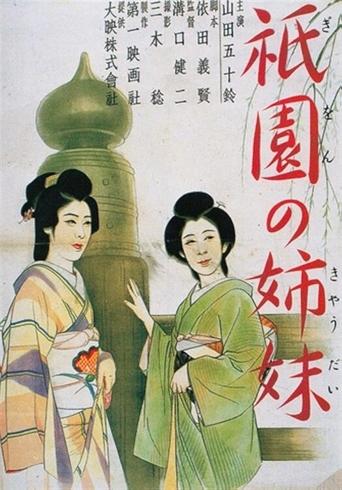
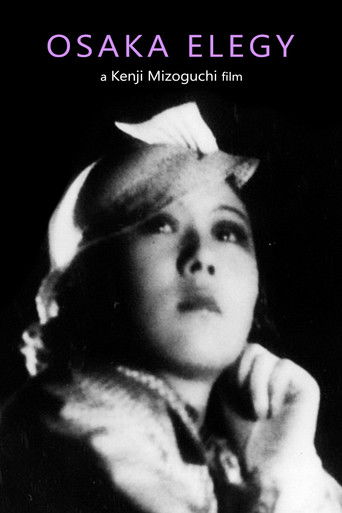
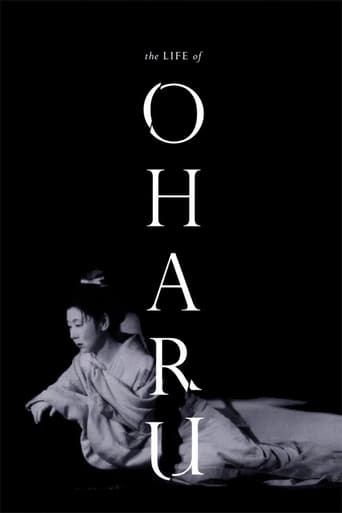
Films
3 films
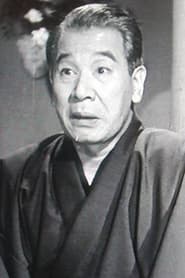
About Eitarō Shindō
Japanese actor who had a brief but notable career during the formative years of Japanese sound cinema. His entire known filmography consists of two critically acclaimed films directed by Kenji Mizoguchi in 1936: 'Sisters of the Gion' and 'Osaka Elegy'. These films are now considered masterpieces of Japanese cinema and represent some of Mizoguchi's most important early works in the sound era. Shindō appeared during a pivotal period when Japanese cinema was transitioning from silent films to talkies, and his performances contributed to films that would later be recognized as landmarks in film history. Despite his limited screen time and brief career, Shindō was part of productions that showcased the emerging realist tendencies in Japanese cinema and the social critique that would define much of Mizoguchi's later work. His roles, though supporting, helped create the authentic urban environments that were central to both films' narratives about women's struggles in modernizing Japan.
The Craft
On Screen
Shindō's acting style was representative of the naturalistic approach emerging in Japanese cinema during the mid-1930s. His performances in Mizoguchi's films contributed to the director's signature realist aesthetic, which emphasized authentic human behavior over theatrical exaggeration. Like many actors of this period, he helped bridge the gap between the more stylized acting of silent films and the nuanced performances required for sound cinema. His work supported the ensemble casts that Mizoguchi preferred, creating believable urban environments for his social critiques.
Milestones
- Appeared in 'Sisters of the Gion' (1936) directed by Kenji Mizoguchi
- Appeared in 'Osaka Elegy' (1936) directed by Kenji Mizoguchi
- Participated in two of the most important Japanese films of the 1930s
- Contributed to early Japanese sound cinema during its formative years
Best Known For
Iconic Roles
Must-See Films
Working Relationships
Worked Often With
Studios
Why They Matter
Impact on Culture
Eitarō Shindō's cultural impact, while indirect, is significant due to his participation in two films that are now recognized as cornerstones of Japanese cinema history. 'Sisters of the Gion' and 'Osaka Elegy' were groundbreaking in their portrayal of women's struggles in modernizing Japan and their critique of social hierarchies. These films helped establish Kenji Mizoguchi's international reputation and influenced generations of filmmakers. Shindō, as part of the ensemble casts, contributed to the authentic social environments that made these films powerful critiques of Japanese society. His work represents the collaborative nature of cinema, where even supporting actors play crucial roles in creating films that transcend their time and place.
Lasting Legacy
Eitarō Shindō's legacy is preserved through his participation in two of the most important Japanese films of the 1930s. While he may not have achieved individual fame, his contribution to cinema history is assured through these works. Both 'Sisters of the Gion' and 'Osaka Elegy' are regularly screened in film retrospectives, studied in film schools, and cited by scholars as examples of early Japanese realist cinema. Shindō's name appears in the credits of films that influenced directors worldwide, from Yasujirō Ozu to contemporary filmmakers. His brief career serves as a reminder of the many unsung contributors who helped create cinematic masterpieces.
Who They Inspired
As a supporting actor with a very brief career, Eitarō Shindō's direct influence on other performers or filmmakers is difficult to trace. However, his work in Mizoguchi's films contributed to a body of work that has influenced countless directors and actors internationally. The naturalistic acting style he helped demonstrate in these early sound films became a hallmark of Japanese cinema's approach to performance. His participation in films that showcased social realism helped establish a tradition of politically and socially engaged cinema in Japan that continues to this day.
Off Screen
Very little is documented about Eitarō Shindō's personal life, which is not uncommon for supporting actors from this early period of Japanese cinema. His brief film career suggests he may have been a character actor or someone who appeared in films only temporarily. The lack of extensive biographical information indicates he was not a major star of his era, though his participation in two historically significant films ensures his place in cinema history.
Did You Know?
- Eitarō Shindō's entire known filmography consists of only two films, both released in 1936
- Both films he appeared in were directed by the legendary Kenji Mizoguchi
- 'Sisters of the Gion' and 'Osaka Elegy' are now considered masterpieces of Japanese cinema
- The two films were made for different studios: Daiichi Eiga and Shinkō Kinema respectively
- Both films focus on the struggles of women in urban Japan during the 1930s
- Despite being made in 1936, these films were not widely seen internationally until decades later
- The films were part of Mizoguchi's critical trilogy about women's roles in Japanese society
- Shindō worked during the transition period from silent to sound cinema in Japan
- His roles were supporting but contributed to the ensemble casts that Mizoguchi preferred
- The films he appeared in are now preserved as important cultural artifacts by film archives worldwide
Frequently Asked Questions
Who was Eitarō Shindō?
Screen credits include two critically acclaimed films directed by Kenji Mizoguchi: 'Sisters of the Gion' and 'Osaka Elegy'. Despite having a very brief career, he participated in films that are now considered classics of Japanese cinema history.
What films is Eitarō Shindō best known for?
Titles linked here include Sisters of the Gion (1936), Osaka Elegy (1936).
When was Eitarō Shindō born and when did he die?
Unfortunately, specific birth and death dates for Eitarō Shindō are not documented in available historical records, which is not uncommon for supporting actors from this early period of Japanese cinema.
What awards did Eitarō Shindō win?
There are no recorded awards or nominations for Eitarō Shindō, which reflects his brief career as a supporting actor during the early years of Japanese sound cinema.
What was Eitarō Shindō's acting style?
Shindō's acting style was representative of the naturalistic approach emerging in Japanese cinema during the mid-1930s, contributing to Kenji Mizoguchi's realist aesthetic that emphasized authentic human behavior over theatrical performance.
Why are the films Eitarō Shindō appeared in important?
The films are historically significant as examples of early Japanese sound cinema and as part of Kenji Mizoguchi's body of work critiquing Japanese society. They are now considered classics that influenced generations of filmmakers and helped establish Japanese cinema's international reputation.