Films
2 films
About Tamara Gedevanova
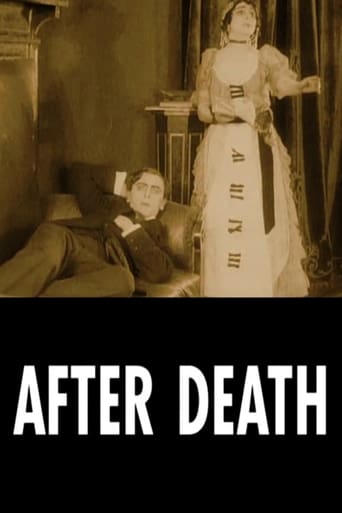
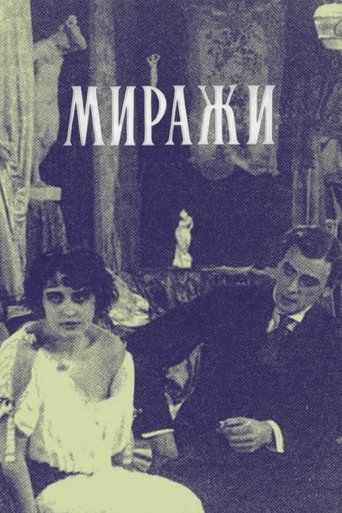
Russian actress who worked briefly during the silent film era in the mid-1910s. Her film career was concentrated in the years 1915-1916, during which she appeared in at least two notable productions. She starred in 'After Death' (1915), a film that was part of the burgeoning Russian cinema scene during World War I. Her second known film appearance was in 'Mirages' (1916), which continued her brief but significant contribution to early Russian cinema. Like many actors of this period, her career was likely impacted by the political upheavals that would soon transform Russia, including the 1917 Revolution. Her work represents the transitional period in Russian cinema as it moved from early experimentation toward more sophisticated narrative filmmaking. Despite her brief career, Gedevanova's performances in these surviving films provide insight into the acting styles and cinematic techniques of early Russian silent cinema.
The Craft
On Screen
As a silent film actress of the 1910s, Tamara Gedevanova likely employed the exaggerated gestures and expressive techniques typical of the period, using facial expressions and body language to convey emotion in the absence of dialogue. Her performances would have been influenced by theatrical traditions that dominated early cinema.
Milestones
- Starred in 'After Death' (1915)
- Appeared in 'Mirages' (1916)
- Contributed to early Russian silent cinema during World War I era
Best Known For
Iconic Roles
Must-See Films
Why They Matter
Impact on Culture
Tamara Gedevanova's work, though brief, represents an important period in the development of Russian cinema during the mid-1910s. Her films were created during a time when Russian cinema was establishing its artistic identity separate from Western influences. The survival of her films provides valuable documentation of early Russian cinematic techniques and acting styles that would later influence the revolutionary Soviet cinema of the 1920s. Her contributions, though small in scale, are part of the foundation upon which legendary Russian directors like Eisenstein and Pudovkin would build their masterpieces.
Lasting Legacy
Tamara Gedevanova's legacy lies primarily in her contribution to the preservation of early Russian cinema through her surviving films. While she did not achieve the lasting fame of some of her contemporaries, her work in 'After Death' and 'Mirages' serves as important historical documentation of the artistic and technical evolution of Russian silent film. Her performances help film historians understand the transition from theatrical acting styles to more naturalistic cinema acting that would characterize later Russian film.
Who They Inspired
Due to the brevity of her career and the obscurity of her work, Tamara Gedevanova's direct influence on subsequent generations of actors is difficult to trace. However, like many actors of her generation, she contributed to the development of film acting techniques that would evolve throughout the silent era and into the sound period.
Off Screen
Very little is documented about Tamara Gedevanova's personal life, which is typical for many actors from this early period of Russian cinema. The limited historical records focus primarily on her film work rather than biographical details.
Did You Know?
- Tamara Gedevanova's entire known film active years covered only two years (1915-1916)
- She worked during World War I, a period that significantly impacted Russian film production
- Her film 'After Death' (1915) is one of the surviving examples of pre-revolutionary Russian cinema
- Like many Russian actors of her era, her career was likely disrupted by the 1917 Russian Revolution
- Her films represent an important transitional period in Russian cinematic history
- Very little biographical information about her survives, making her one of the more mysterious figures of early Russian cinema
Frequently Asked Questions
Who was Tamara Gedevanova?
Russian actress who worked briefly during the silent film era in the mid-1910s, appearing in at least two films including 'After Death' (1915) and 'Mirages' (1916).
What films is Tamara Gedevanova best known for?
Titles linked here include After Death (1915), Mirages (1916).
When was Tamara Gedevanova born and when did she die?
Specific birth and death dates for Tamara Gedevanova are not documented in available historical records, which is common for many actors from this early period of Russian cinema.
What awards did Tamara Gedevanova win?
No awards or nominations for Tamara Gedevanova are documented, as she worked during the very early days of Russian cinema before formal award systems were established.
What was Tamara Gedevanova's acting style?
As a silent film actress of the 1910s, she likely employed the expressive gestures and facial techniques typical of the period, using theatrical-influenced methods to convey emotion without dialogue.