Films
6 films

About Gus Wicke
Worked on several notable animated productions during the Golden Age of American animation. His known filmography consists of three significant works from the Fleischer Studios, including two Popeye two-reel cartoons and their first animated feature film. Given the nature of these productions, Wicke likely contributed as either a voice actor or possibly in live-action segments that were sometimes incorporated into Fleischer's innovative animation techniques. His brief but notable from 1936 to 1939, coinciding with a particularly creative period in American animation history. The specific details of his contributions to these landmark animated films remain somewhat obscure in historical records, which was not uncommon for supporting talent in early animation production.
The Craft
Milestones
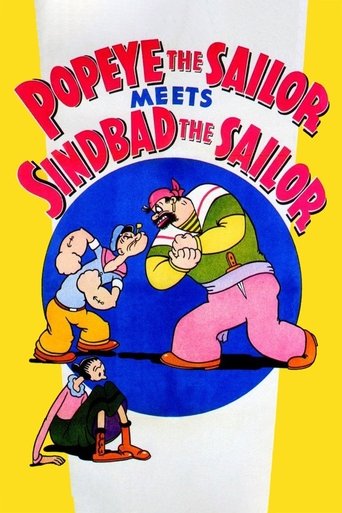
- Worked on Popeye the Sailor Meets Sindbad the Sailor (1936)
- Contributed to Popeye the Sailor Meets Ali Baba's Forty Thieves (1937)
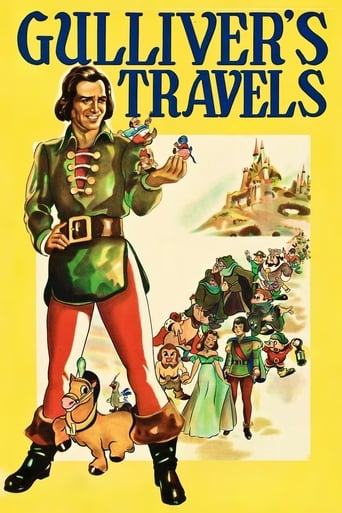
- Participated in Fleischer Studios' first animated feature Gulliver's Travels (1939)
Best Known For
Must-See Films
Working Relationships
Worked Often With
Studios
Why They Matter
Impact on Culture
Gus Wicke's contributions, while not extensively documented, were part of the work being done at Fleischer Studios during a crucial period in animation history. The films he worked on represent some of the most ambitious animated projects of their time, with the Popeye two-reelers pushing the boundaries of what could be achieved in short-form animation, and Gulliver's Travels being only the second American animated feature film ever produced. These works helped establish the technical and artistic foundations that would influence animation for decades to come.
Lasting Legacy
While individual details about Gus Wicke's specific contributions remain obscure, his work is preserved as part of historically significant animated films that continue to be studied and appreciated by animation historians and enthusiasts. The Fleischer Studios productions he participated in are considered landmarks in early American animation, representing innovative techniques in blending animation with live-action elements and pushing the artistic boundaries of the medium during its formative years.
Who They Inspired
As a contributor to these groundbreaking animated works, Wicke was part of the creative team that influenced generations of animators and filmmakers. The Fleischer Studios techniques and styles demonstrated in these films would influence everything from later Disney productions to modern animation studios.
Off Screen
Very little information is available about Gus Wicke's personal life, as appears to be the case with many supporting performers from early animation who were not extensively documented in contemporary press or historical archives.
Did You Know?
- Gus Wicke worked during the peak years of Fleischer Studios' creative output
- The Popeye cartoons he worked on were among the most expensive animated shorts of their time
- Gulliver's Travels (1939) was only the second American animated feature film, following Disney's Snow White
- Fleischer Studios was known for innovative techniques like the rotoscope and 3D backgrounds
- The studio was founded by brothers Max and Dave Fleischer in 1921
- Popeye cartoons were among the most popular theatrical animated shorts of the 1930s
- Fleischer Studios would later create the first Superman animated cartoons in 1941
- The studio was eventually acquired by Paramount Pictures in 1942
Frequently Asked Questions
Who was Gus Wicke?
with credits in this catalog. His known work includes three significant animated films from 1936-1939, though detailed biographical information about him is limited in historical records.
What films is Gus Wicke best known for?
Titles linked here include Popeye the Sailor Meets Sindbad the Sailor (1936), Popeye the Sailor Meets Ali Baba's Forty Thieves (1937).
When was Gus Wicke born and when did he die?
Specific birth and death dates for Gus Wicke are not available in historical records, which was not uncommon for supporting performers in early animation who were not extensively documented in contemporary press.
What awards did Gus Wicke win?
There are no documented awards or nominations specifically attributed to Gus Wicke in available historical records, though the films he worked on were critically acclaimed and commercially successful during their time.
What was Gus Wicke's acting style?
Given that Wicke worked on animated productions, he likely contributed as a voice actor or possibly in live-action segments that Fleischer Studios sometimes incorporated into their innovative animation techniques, though specific details about his performance style are not documented.