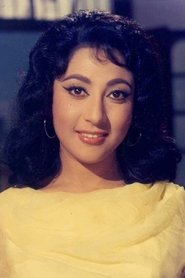
Mala Sinha
Actor
- Born
- November 11, 1936, Kolkata, India
- Active
- 1955-present
- Birth name
- Alda Sinha
Films 1
About Mala Sinha
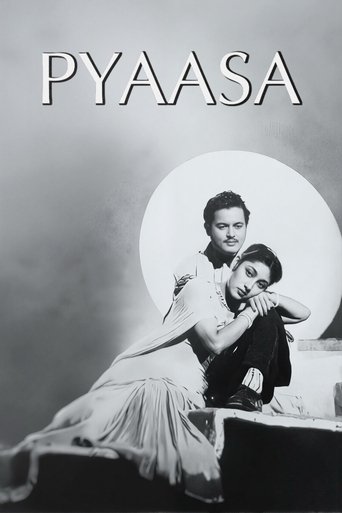
Mala Sinha is an Indian film actress whose career began in the late 1950s and quickly made her one of the most recognizable leading ladies of Hindi cinema during the black-and-white era. Born as Alda Sinha, she adopted the screen name Mala Sinha and entered films after working in Bengali cinema, where she first built a reputation as a talented and expressive performer. She came to prominence in Hindi cinema with emotionally charged roles that balanced glamour, vulnerability, and a strong dramatic presence, making her especially effective in social melodramas, romantic dramas, and films built around complex women characters. Her performance in Pyaasa (1957) is among the most celebrated early turning points of her career, helping establish her as an actress of substance as well as popularity. Over the following years she became a major star in both Hindi and Bengali films, appearing in numerous successful productions and often playing women with resilience, moral strength, and emotional depth. She remained active across decades, later transitioning into character roles and maintaining a lasting place in Indian film history as one of the memorable female stars of classic Hindi cinema. Although she is not a silent-era or early-talkies figure, she belongs to the golden age period and remains an important name in vintage Indian cinema.
More about Mala Sinha
On screen
Mala Sinha was known for a graceful, emotionally expressive style that combined beauty, poise, and strong dramatic feeling. She excelled in roles that required controlled pathos, inward sorrow, resilience, and romantic intensity, often using her eyes and facial expressions to convey complex emotion. In many of her most remembered performances, she brought a dignified seriousness to women characters who might otherwise have been written as conventional heroines. Her screen presence was elegant yet accessible, which helped her work effectively in both mainstream entertainers and more socially conscious dramas.
In film history
Mala Sinha became one of the defining female screen presences of post-independence Indian cinema, especially in the period when Hindi films were shaping a modern popular language of emotion, romance, and social concern. Her image helped define the poised but emotionally accessible heroine of the 1950s and 1960s, a woman who could be glamorous without losing seriousness or moral gravity. In films like Pyaasa, she contributed to the emotional texture of a work now regarded as one of Indian cinema's great classics, and in later films she continued to embody the ideals of dignity and feeling that audiences associated with the era. Her popularity across Hindi and Bengali cinema also reflects the cross-cultural nature of Indian stardom in the period, when major actors often worked across multiple language industries. Even today, she is remembered by film historians and classic cinema fans as an important bridge between mainstream stardom and meaningful dramatic performance.
Later reputation
Mala Sinha's lasting legacy lies in her association with some of the most respected and beloved films of Indian golden-age cinema. She is remembered not just as a popular star, but as an actress who could carry emotional weight in films that have remained culturally significant for decades. Her role in Pyaasa ensures her a permanent place in discussions of Indian cinematic classics, while her broader body of work demonstrates the importance of women stars in shaping the tone and prestige of Hindi melodrama. Later generations of viewers continue to encounter her through restored prints, retrospectives, and film-history writing, where she is often presented as one of the memorable leading actresses of her time. Her career also stands as evidence of the durability of female stardom in Indian cinema, where actresses could command audience affection across multiple film industries and over long spans of time.
Influence
Mala Sinha influenced the screen image of the serious yet glamorous Hindi-film heroine, helping normalize a style of female performance that combined softness with emotional resilience. Her work in socially conscious melodramas and romantic dramas provided a model for actresses who wanted to balance commercial appeal with dignity and depth. She also helped reinforce the idea that a leading lady could be central to the emotional architecture of a film, not simply decorative or secondary. Her success across both Bengali and Hindi cinema made her a useful reference point for later performers navigating multilingual Indian film careers.
Off screen
Mala Sinha was born Alda Sinha in Kolkata and later became known professionally by her screen name. She married actor and singer Chidambaram Pradeep Raj Singh Deol, and the marriage connected her to a prominent film family through her son, actor Arun Vijay, who is known in Tamil cinema under that name. Her personal life is often discussed in relation to her long public career, but she generally maintained a relatively private off-screen image compared with some contemporaries. She was admired for balancing stardom with a steady family life and for remaining associated with film culture over many decades.
Education
Formal educational details are not widely documented in standard public references; she is generally known more for her early entry into films than for a widely publicized academic background.
Credits
- Began her screen career in Bengali cinema before moving into Hindi films
- Gained major recognition with Pyaasa (1957), one of Hindi cinema's landmark films
- Became a popular leading lady in the 1950s and 1960s in both Hindi and Bengali cinema
- Built a reputation for emotionally intense performances in melodramas and social dramas
- Successfully sustained a long career and later appeared in character-oriented roles
- Is remembered as one of the prominent female stars of classic Indian cinema
Roles
- The misunderstood woman in Pyaasa
- The romantic heroine in classic Hindi melodramas
- The emotionally resilient woman in social dramas
- The sophisticated leading lady in 1950s and 1960s Hindi cinema
Films
- Pyaasa (1957)
- Detective (1958)
- Dhool Ka Phool (1959)
- Anpadh (1962)
- Gumrah (1963)
- Bahurani (1963)
Awards
- No widely documented major national film award record is consistently listed in standard references
- Recognized through widespread critical acclaim and enduring popularity rather than a large formal awards tally
Nominations
- No reliably documented major award nominations are consistently available in standard references
Honors
- Widely celebrated as a major star of classic Hindi cinema
- Enduring recognition among admirers of 1950s and 1960s Indian film
- Frequently cited in retrospectives on the women stars of golden-age Bollywood
Collaborators
- Guru Dutt
- Amiya Chakravarty
- B.R. Chopra
- Various leading stars of the 1950s and 1960s Hindi film industry
Studios
- Bengali film industry productions
- Hindi film industry productions
- Associated with major mainstream Indian studios and independent producers of the 1950s and 1960s
Family
- Chidambaram Pradeep Raj Singh Deol (married; dates not reliably documented in standard references)
Notes
- She was born Alda Sinha before adopting the screen name Mala Sinha.
- She made her mark first in Bengali cinema and then became a major Hindi-film star.
- Pyaasa (1957) remains one of her most famous films and is considered a classic of Indian cinema.
- She was often cast in emotionally demanding roles that emphasized dignity and inner strength.
- Her career spanned many decades, allowing her to move from leading roles to later character parts.
- She is widely remembered as one of the prominent women stars of the golden age of Hindi films.
- She worked in both Hindi and Bengali films, reflecting the multilingual nature of Indian stardom.
- Her public image combined glamour with seriousness, which made her especially effective in melodramatic and socially themed films.
Quotes
No reliably sourced, widely cited public quotes are consistently documented in standard references.
Questions
Who was Mala Sinha?
Mala Sinha was an Indian actress best known for her work in classic Hindi and Bengali cinema. She became one of the prominent female stars of the 1950s and 1960s and is especially remembered for her performance in Pyaasa (1957).
What films is Mala Sinha best known for?
Her best-known films include Pyaasa (1957), Detective (1958), Dhool Ka Phool (1959), Anpadh (1962), Gumrah (1963), and Bahurani (1963). These films helped establish her as a leading actress of the golden age of Indian cinema.
When was Mala Sinha born and where?
She was born on November 11, 1936, in Kolkata, India. Standard references identify her birth name as Alda Sinha.
Did Mala Sinha win major awards?
Standard references do not consistently document a large major-award record for her, and she is more often recognized for her popularity and critically respected performances. Her reputation rests primarily on her body of work and her enduring place in film history.
What was Mala Sinha's acting style?
Her acting style was elegant, emotionally expressive, and highly effective in melodramatic or socially serious roles. She conveyed feeling through restrained but powerful facial expression and a dignified screen presence.
What is Mala Sinha's legacy in cinema?
Her legacy is that of a major star of classic Indian cinema who helped define the emotional and glamorous heroine of the 1950s and 1960s. She remains especially important for her role in Pyaasa and for her long-standing influence on the image of the serious leading lady in Hindi films.