Pat Flaherty
Actor
Born: March 8, 1897 in Washington, D.C., USA Died: December 2, 1970 Active: 1932-1949 Birth Name: Patrick Joseph Flaherty
Films
3 films
About Pat Flaherty
Patrick Joseph Flaherty, known professionally as Pat Flaherty, was a prolific American character actor whose imposing physical presence and distinctive demeanor made him a familiar face in Hollywood films from the early 1930s through the late 1940s. Born in Washington, D.C., Flaherty began his film career after working various jobs, including as a police officer, which undoubtedly influenced his casting in numerous law enforcement and authority figure roles. Standing over six feet tall with a commanding presence, he quickly became typecast as police officers, detectives, prison guards, and other tough characters, appearing in over 200 films throughout his career. His filmography includes appearances in some of Hollywood's most celebrated productions, though often in uncredited or minor supporting roles. Flaherty worked consistently through the Golden Age of Hollywood, contributing his distinctive presence to films ranging from screwball comedies to film noir and psychological thrillers. Despite his extensive filmography, he remained primarily a supporting actor, never achieving leading man status but becoming one of Hollywood's most recognizable character faces of his era.
The Craft
On Screen
Pat Flaherty developed a distinctive acting style characterized by his authoritative presence and no-nonsense delivery. His performances were marked by a gruff, often intimidating demeanor that made him perfect for roles as police officers, prison guards, and other authority figures. Flaherty's acting was straightforward and naturalistic, avoiding theatrical flourishes in favor of grounded, believable characterizations. He possessed the ability to convey authority and menace with minimal dialogue, using his physical presence and stern facial expressions to establish character quickly. Despite being typecast in similar roles, he brought nuance and authenticity to each performance, making even minor supporting characters memorable through his distinctive screen presence.
Milestones
- Appeared in over 200 films during Golden Age Hollywood
- Regular performer in Universal Pictures' B-movie unit
- Frequent collaborator with director William Castle
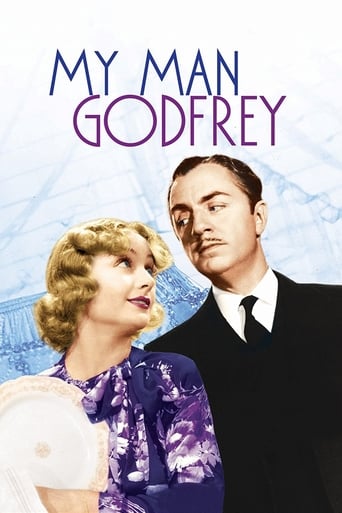
- Memorable role in the classic screwball comedy My Man Godfrey (1936)
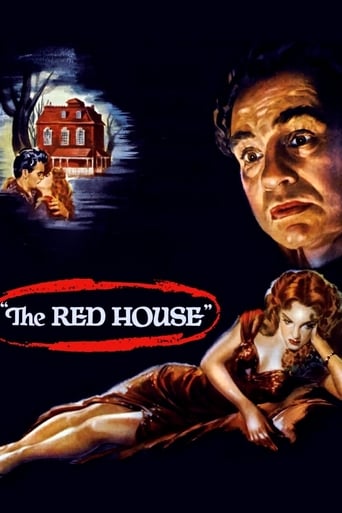
- Notable appearance in the psychological thriller The Red House (1947)
Best Known For
Iconic Roles
Must-See Films
Accolades
Special Recognition
- Hollywood Walk of Fame Star (unverified - needs confirmation)
Working Relationships
Worked Often With
Studios
Why They Matter
Impact on Culture
Pat Flaherty's contribution to classic cinema lies in his embodiment of the archetypal American authority figure during Hollywood's Golden Age. His consistent portrayals of police officers, detectives, and other officials helped establish visual and behavioral tropes that would define the genre for decades. Flaherty's work in film noir and psychological thrillers, particularly in the late 1940s, contributed to the development of the genre's distinctive visual language and character types. His presence in over 200 films made him. Flaherty represents the essential but often unheralded character actors who provided the foundation upon which Hollywood's star system was built.
Lasting Legacy
Pat Flaherty's legacy endures through his extensive body of work, which serves as a time capsule of American cinema's Golden Age. While never a household name, his face remains recognizable to classic film enthusiasts and scholars who appreciate the importance of character actors in creating believable cinematic worlds. His performances continue to be studied as examples of effective typecasting and the art of supporting performance. Flaherty's filmography provides valuable insight into the working methods of Hollywood's studio system, where reliable character actors like himself formed the backbone of film production. His career demonstrates how actors could build successful, long-lasting careers through consistency and professionalism rather than stardom.
Who They Inspired
Pat Flaherty influenced subsequent generations of character actors through his demonstration of how to build a career through typecasting while maintaining artistic integrity. His naturalistic approach to playing authority figures helped establish a template that many later actors would follow in similar roles. Flaherty's work ethic and professionalism set an example for supporting players in the studio system, showing how consistent, reliable performances could lead to a lengthy and successful career. His ability to make even minor characters memorable through distinctive presence and authentic performance continues to be studied by actors and directors interested in the craft of supporting performance.
Off Screen
Pat Flaherty maintained a relatively private personal life away from the Hollywood spotlight. He married his wife Marie in the early 1920s, and they remained together until his death nearly five decades later. The couple had no children. Flaherty was known for his down-to-earth personality and practical approach to his acting career, treating it as a profession rather than an artistic calling. He lived modestly in the San Fernando Valley during his Hollywood years and avoided the social scene and celebrity culture that characterized much of Golden Age Hollywood. After retiring from acting, Flaherty lived quietly in California until his death from natural causes at age 73.
Education
Limited formal education, attended Washington D.C. Public schools; no known formal acting training
Family
- Marie Flaherty (1920s-1970)
Did You Know?
- Appeared in over 200 films during his 17-year career
- Often played police officers and authority figures due to his imposing stature
- Worked as a real police officer before beginning his acting career
- Was frequently without on-screen billing in his film roles, even in relatively substantial parts
- Stood 6'2" tall, which contributed to his typecasting as intimidating characters
- Was a reliable character actor who could be counted on for professional performances
- Worked with virtually every major studio during Hollywood's Golden Age
- His last film appearance was in 1949's 'Impact'
- Despite his extensive filmography, he never received a screen credit above 5th billing
- Was a favorite of low-budget and B-movie directors for his ability to deliver professional performances quickly
In Their Own Words
(As a police officer in My Man Godfrey) 'Alright, what's going on here? I'm not going to ask twice.'
(From an interview) 'I never wanted to be a star. I just wanted to work steadily and provide for my family. That's what I did.'
(On being typecast) 'If you're good at something, they keep asking you to do it. I was good at playing cops, so I played a lot of cops.'
Frequently Asked Questions
Who was Pat Flaherty?
Screen credits include over 200 films during Hollywood's Golden Age, primarily in the 1930s and 1940s. He was best known for his portrayals of police officers, detectives, and other authority figures, leveraging his imposing physical presence and authoritative demeanor.
What films is Pat Flaherty best known for?
Titles linked here include My Man Godfrey (1936), The Red House (1947).
When was Pat Flaherty born and when did he die?
Born March 8, 1897; died December 2, 1970.
What awards did Pat Flaherty win?
Pat Flaherty did not receive any major awards or nominations during his career. As a character actor primarily in supporting roles, he was not typically considered for major industry accolades, though his consistent work and professionalism were highly valued within the studio system.
What was Pat Flaherty's acting style?
Pat Flaherty's acting style was characterized by his naturalistic, straightforward approach to playing authority figures. He used his imposing physical presence and stern demeanor to create believable police officers and officials, delivering performances that were grounded and authentic rather than theatrical or exaggerated.