No Poster
Percy Stow
Director
Born: 1876 in London, England Died: July 30, 1919 Active: 1902-1908
Films
2 films
About Percy Stow
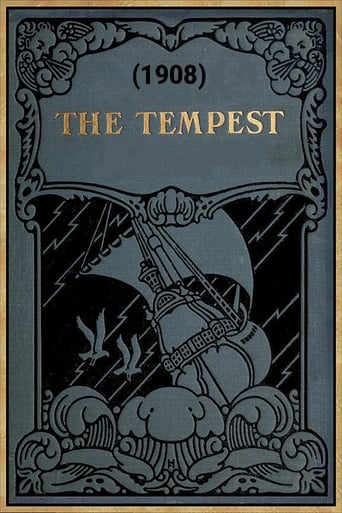
British filmmaker who in the development of early narrative cinema during the silent era. Working primarily with the Hepworth Manufacturing Company, one of Britain's earliest film studios, Stow directed numerous short films between 1902 and 1908 that showcased innovative techniques and storytelling approaches. He was particularly known for his comedy films featuring elaborate special effects and his ambitious adaptations of literary works, most notably his 1908 version of Shakespeare's 'The Tempest.' Stow's film 'How to Stop a Motor Car' (1902) demonstrated his mastery of visual comedy and practical effects, becoming popular comedies of its time. His career, though relatively brief, coincided with a crucial period in cinema's evolution from novelty to narrative art form. Stow married actress Hilda Hayter in 1904, who frequently appeared in his films. His work helped establish many conventions of narrative filmmaking and demonstrated the artistic potential of the new medium during cinema's formative years.
The Craft
Behind the Camera
Percy Stow was known for his innovative approach to visual storytelling and special effects, particularly in comedy films. His directing style emphasized physical comedy and elaborate practical effects, as demonstrated in 'How to Stop a Motor Car' where he utilized trick photography and staged sequences to create humorous situations. When adapting literary works, Stow focused on condensing complex narratives into the short format typical of early cinema while maintaining the essential dramatic elements. His work with actors showed an understanding of the exaggerated performance style required for silent film, and he frequently cast his wife Hilda Hayter in leading roles. Stow's technical experimentation and narrative ambition helped push the boundaries of what was possible in early British cinema.
Milestones
- Directed 'How to Stop a Motor Car' (1902), a groundbreaking comedy film
- Created one of the first film adaptations of Shakespeare with 'The Tempest' (1908)
- Key director at Hepworth Manufacturing Company
- Pioneered special effects techniques in early cinema
- Helped establish narrative conventions in British film
Best Known For
Must-See Films
Accolades
Special Recognition
- Recognized as a pioneer of early British cinema
- His films preserved in the BFI National Archive as historically significant works
Working Relationships
Worked Often With
Studios
Why They Matter
Impact on Culture
Percy Stow's work represents a crucial phase in the development of narrative cinema, particularly in Britain. His comedy films like 'How to Stop a Motor Car' demonstrated how visual gags and special effects could be combined to create entertaining stories without dialogue, establishing patterns that would influence comedy filmmaking for decades. His adaptation of 'The Tempest' was among the first attempts to bring Shakespeare to the screen, showing how classic literature could be translated to the new medium of cinema. Stow's technical innovations, especially his use of trick photography and effects, helped expand the visual vocabulary of early cinema and inspired other filmmakers to experiment with the possibilities of the medium.
Lasting Legacy
Though his name is not widely known today, Percy Stow's legacy lives on through his preserved films, which are studied by film historians as examples of early British cinema at its most innovative. His work with the Hepworth Company helped establish Britain as an important center of film production during the silent era. The techniques he developed for visual comedy and special effects influenced subsequent generations of filmmakers. His films, particularly 'How to Stop a Motor Car,' continue to be screened at film festivals and retrospectives dedicated to early cinema, where they are appreciated for their creativity and historical significance. Stow represents the generation of filmmakers who helped transform cinema from a novelty attraction into a legitimate art form.
Who They Inspired
Percy Stow influenced early British cinema through his technical innovations and narrative approaches. His work with special effects and visual comedy paved the way for later developments in both genres. His adaptations of literary works demonstrated the potential for cinema to engage with established cultural texts, encouraging other filmmakers to attempt similar projects. While direct records of his influence on specific later filmmakers are limited, his techniques can be seen in the work of subsequent British comedy directors and in the continued tradition of literary adaptations in British cinema. His collaborative approach with actors, particularly his wife Hilda Hayter, also modeled working relationships that would become common in the film industry.
Off Screen
Percy Stow married actress Hilda Hayter in 1904, who became his frequent collaborator and appeared in many of his films. The couple worked closely together during his most productive years at the Hepworth studio. Stow's career in film was relatively brief, spanning only six years from 1902 to 1908, after which he left the industry. He died in 1919 at the age of 43, cutting short what might have been a continued contribution to cinema's development. His personal life remains relatively obscure compared to his professional achievements, as was common for many early film pioneers.
Education
Limited information available about his formal education, typical of early film pioneers who often learned their craft through practical experience in the new medium.
Family
- Hilda Hayter (1904-1919)
Did You Know?
- 'How to Stop a Motor Car' was
- His version of 'The Tempest' was one of the earliest Shakespeare adaptations on film
- Stow worked closely with Cecil Hepworth,
- Many of his films featured innovative special effects that were considered groundbreaking for their time
- His active years covered only six years but was highly productive during that period
- His wife Hilda Hayter appeared in many of his films as a leading actress
- Several of his films have been preserved by the British Film Institute and are considered historically significant
- His work represents the transition from actuality films to narrative cinema in Britain
- He was part of the first generation of filmmakers who treated cinema as a serious artistic medium
- His films often featured elaborate sequences that required careful planning and execution despite their short length
Frequently Asked Questions
Who was Percy Stow?
British on YTB.my. He was known for his innovative comedy films and early adaptations of literary works, including one of the first Shakespeare film adaptations.
What films is Percy Stow best known for?
Titles linked here include How to Stop a Motor Car (1902), The Tempest (1908).
When was Percy Stow born and when did he die?
Born 1876; died July 30, 1919.
What awards did Percy Stow win?
Percy Stow did not receive formal awards during his lifetime, as the film industry's award system was not yet established in the early 1900s. However, his work is now recognized as historically significant and his films are preserved by institutions like the British Film Institute.
What was Percy Stow's directing style?
Percy Stow's directing style was characterized by innovative use of special effects, visual comedy, and narrative experimentation. He excelled at creating elaborate gags and trick photography in his comedies, while his literary adaptations showed skill in condensing complex stories into short film formats.
Did Percy Stow work with any famous collaborators?
Stow worked closely with Cecil Hepworth, a major figure in early British cinema, and frequently cast his wife Hilda Hayter in leading roles. His collaboration with G.H. Cricks on several films was also notable during his time at the Hepworth studio.
Why is Percy Stow important to film history?
Percy Stow is important to film history as a pioneer who helped develop narrative cinema and comedy filmmaking techniques in Britain. His work with special effects and literary adaptations demonstrated cinema's artistic potential during its formative years.