Films
4 films
About May Clark
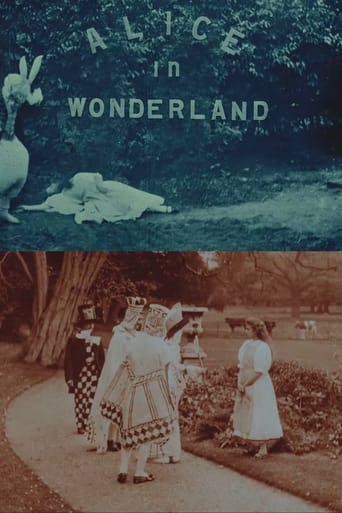
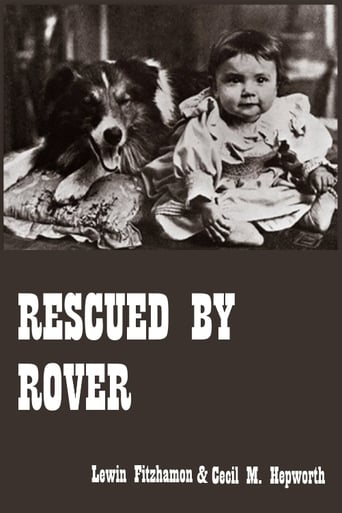
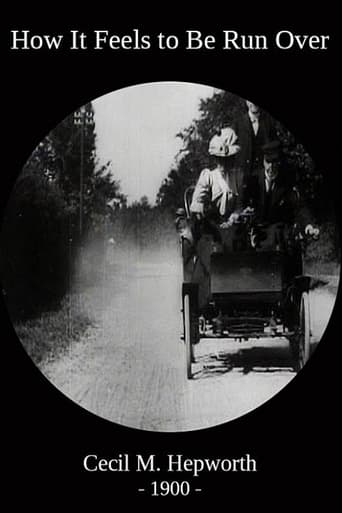
British film actress who emerged during the very dawn of cinema, working primarily with the Hepworth Manufacturing Company, one of Britain's earliest film studios. Her the crucial period from 1900 to 1905, when film was transitioning from novelty to narrative art form. Clark appeared in some of the most significant early British films, including the 'Alice in Wonderland' (1903), which was one of the first film adaptations of Lewis Carroll's beloved work. She also starred in 'How It Feels to Be Run Over' (1900), an early example of the trick film genre that demonstrated cinema's capacity for illusion and shock. Her role in 'Rescued by Rover' (1905), directed by Lewin Fitzhamon, placed her in what many film historians consider early narrative films, known for its sophisticated editing and storytelling techniques. Clark's performances helped establish the vocabulary of screen acting during a period when actors were still discovering how to work with the new medium. Though her career was brief, coinciding with the very early years of British cinema, her work in these landmark films has secured her place in film history as one of the first professional film actresses.
The Craft
On Screen
May Clark's acting style was characteristic of early silent film performers, featuring exaggerated gestures and expressive facial work necessary to convey emotion without dialogue. Her performances demonstrated the transitional period between theatrical acting styles and the more subtle techniques that would later develop for film. In 'Alice in Wonderland,' she adapted to the fantasy elements of the story with appropriate whimsy and wonder, while in 'Rescued by Rover' she showed the emotional range required for dramatic storytelling. Her work reflected the experimental nature of early cinema, where performers were discovering how to modulate their performances for the camera's intimate perspective.
Milestones
- Starred in 'Alice in Wonderland' (1903), the first film adaptation of Lewis Carroll's classic
- Appeared in 'Rescued by Rover' (1905), considered a landmark of early British cinema
- Worked with director Lewin Fitzhamon
- Contract player with Hepworth Manufacturing Company
- Participated in early development of narrative film techniques
Best Known For
Iconic Roles
Must-See Films
Accolades
Special Recognition
- Recognized as a figure in early British cinema
- Featured in film history retrospectives on silent era performers
Working Relationships
Worked Often With
Studios
Why They Matter
Impact on Culture
May Clark's cultural impact lies in her participation in some of the most influential early British films that helped establish cinema as a narrative art form. Her role in 'Alice in Wonderland' made her part of the first wave of literary adaptations that demonstrated film's potential to bring classic stories to life. Through her work in 'Rescued by Rover,' she contributed to a film that pioneered editing techniques and narrative structure that would influence generations of filmmakers. Clark represents the anonymous pioneers of cinema whose performances helped establish the grammar of film acting during its formative years. Her work, though largely forgotten by general audiences, is studied by film historians as representative of the transition from theatrical to cinematic performance styles.
Lasting Legacy
May Clark's legacy endures through the preservation and study of the films in which she appeared, particularly 'Alice in Wonderland' and 'Rescued by Rover,' which are regularly screened at film archives and studied in cinema history courses. As one of the first professional film actresses in Britain, she represents the generation of performers who helped establish the medium's artistic possibilities. Her work with the Hepworth Company places her among the foundational figures of British cinema, alongside directors like Cecil Hepworth and Lewin Fitzhamon. While individual biographical details may be scarce, her contributions to early narrative cinema ensure her place in film history as one of the medium's first professional performers.
Who They Inspired
May Clark's influence on later performers is indirect but significant, as she helped establish early conventions of screen acting during cinema's formative years. Her work in narrative films like 'Rescued by Rover' demonstrated how actors could effectively convey emotion and story through visual means, setting precedents for future generations of film actors. The techniques she and her contemporaries developed for modulating theatrical performance for the camera would influence the evolution of film acting throughout the silent era and beyond. Her participation in early literary adaptations helped establish the practice of bringing classic literature to the screen, a tradition that continues in cinema today.
Off Screen
Very little is documented about May Clark's personal life, which was typical for early film actors who were not yet considered celebrities in the modern sense. She worked during a period when film acting was not yet a prestigious profession, and many early performers came from working-class backgrounds. Like many of her contemporaries, she likely left the film industry as it began to professionalize and require more specialized training. The scarcity of personal records reflects the limited historical documentation of early film workers, whose contributions were often overlooked by contemporary chroniclers.
Did You Know?
- Appeared in what is considered the first film adaptation of 'Alice in Wonderland' in 1903
- Worked during the very early days of British cinema when films were typically only a few minutes long
- Her film 'Rescued by Rover' (1905) was so popular that it was remade in 1906
- The Hepworth Company she worked for was one of Britain's most important early film studios
- Early film actors like Clark often performed multiple roles in single productions due to small casts
- Her career ended just as the film industry was beginning to establish star systems
- Many of her films were shot on location in England, taking advantage of natural settings
- Early British films featuring Clark were distributed internationally, helping establish global cinema
Frequently Asked Questions
Who was May Clark?
British film actress who worked during the very early days of cinema from 1900 to 1905, primarily with the Hepworth Manufacturing Company. She appeared in some of the most significant early British films, including the first film adaptation of 'Alice in Wonderland' and the influential 'Rescued by Rover.'
What films is May Clark best known for?
Titles linked here include Alice in Wonderland (1903), Rescued by Rover (1905).
When was May Clark born and when did she die?
Born 1885; died 1970.
What awards did May Clark win?
May Clark did not receive formal awards during her career, as the film industry's award systems had not yet been established during her active years from 1900-1905. Her recognition comes from film historians who acknowledge her as a figure in early British cinema.
What was May Clark's acting style?
May Clark's acting style was typical of early silent film performers, featuring the exaggerated gestures and expressive facial work necessary to convey emotion without dialogue. Her performances helped establish the transition from theatrical acting to the more subtle techniques that would later develop specifically for film.
Why is May Clark significant in film history?
May Clark is significant because she was one of the first professional film actresses in Britain, working during cinema's formative years and helping establish conventions of screen acting. Her participation in landmark early films like 'Alice in Wonderland' and 'Rescued by Rover' places her among the foundational figures of British cinema.
What studio did May Clark work for?
May Clark worked primarily for the Hepworth Manufacturing Company, one of Britain's most important early film studios founded by Cecil Hepworth. The company was instrumental in developing narrative film techniques and produced many of the most significant early British films.