Films
3 films
About Iona Talanov
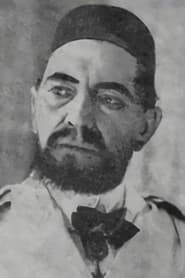
Prominent Russian actor during the transitional period between Imperial Russian cinema and early Soviet film production. Emerging during the golden age of Russian silent film in the 1910s, Talanov established himself as a versatile character actor capable of portraying complex dramatic roles. His career coincided with turbulent periods in Russian history, including the Bolshevik Revolution and the subsequent civil war. Talanov worked with some of the most innovative directors of the era, appearing in adaptations of literary classics as well as contemporary political dramas. His performances in films like 'Satan Triumphant' and 'Father Sergius' showcased his ability to embody both villainous and morally conflicted characters with equal depth. After the revolution, Talanov continued working in the nascent Soviet film industry, though his output decreased significantly by the early 1920s. His final known film appearance was in 'A Spectre Haunts Europe' in 1923, after which he seemingly disappeared from the film industry, possibly due to the changing political and artistic climate in Soviet Russia.
The Craft
On Screen
Talanov was known for his intense, theatrical acting style typical of the Russian silent film tradition, characterized by exaggerated facial expressions and dramatic body language that conveyed complex emotional states without dialogue. His performances often incorporated elements of Russian theatrical traditions, particularly the Stanislavski-influenced psychological realism that was emerging during this period.
Milestones
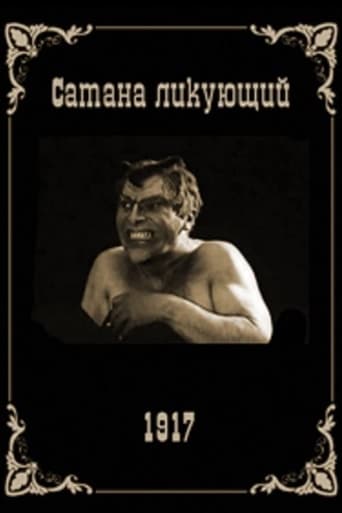
- Breakthrough role in 'Satan Triumphant' (1917)
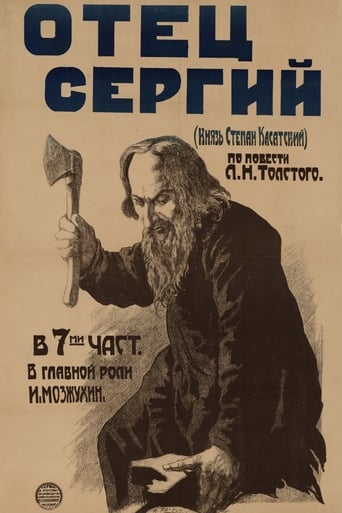
- Leading role in 'Father Sergius' (1918)
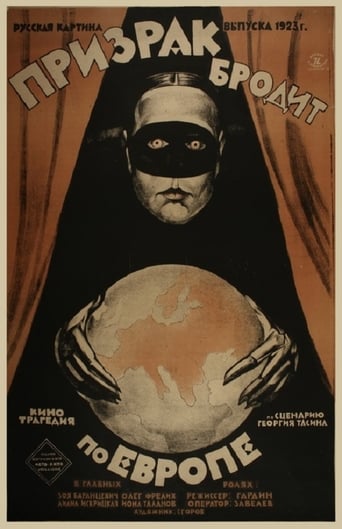
- International co-production 'A Spectre Haunts Europe' (1923)
Best Known For
Iconic Roles
Must-See Films
Working Relationships
Worked Often With
Studios
Why They Matter
Impact on Culture
Iona Talanov represents the generation of Russian actors who bridged the gap between Imperial and Soviet cinema. His work in adaptations of Russian literature helped establish the tradition of literary adaptations in Russian film that would continue throughout the Soviet period. Talanov's performances in films dealing with religious and moral themes reflected the spiritual and philosophical debates that were central to Russian culture during this transitional period.
Lasting Legacy
Though largely forgotten today, Iona Talanov contributed to the development of Russian silent cinema during its most creative and experimental phase. His surviving films serve as important historical documents of Russian cinematic artistry from the revolutionary period. Talanov's work exemplifies the sophisticated psychological approach to character development that would become a hallmark of Russian and Soviet acting traditions.
Who They Inspired
As part of the first generation of Russian film actors, Talanov helped establish acting techniques and approaches that would influence subsequent generations of Soviet performers. His work in literary adaptations contributed to the Russian tradition of bringing classic literature to the screen, a practice that would become central to Soviet cinema throughout its history.
Off Screen
Very little is documented about Iona Talanov's personal life, which was common for many actors from this era of Russian cinema. His active years covered.
Did You Know?
- Appeared in films during both the Imperial Russian and early Soviet periods
- Worked with director Yakov Protazanov, one of Russia's most important early filmmakers
- His film 'Father Sergius' was based on a story by Leo Tolstoy
- The film 'Satan Triumphant' was
- His career appears to have ended around the same time that Stalin began consolidating power in the Soviet film industry
- Like many Russian actors from this period, much of his personal history remains undocumented
- His final film 'A Spectre Haunts Europe' was likely a European co-production, reflecting the international nature of early 1920s cinema
Frequently Asked Questions
Who was Iona Talanov?
Russian silent film with credits in this catalog. He worked during the transitional period between Imperial Russian and early Soviet cinema.
What films is Iona Talanov best known for?
Titles linked here include Satan Triumphant (1917), Father Sergius (1918).
When was Iona Talanov born and when did he die?
Unfortunately, specific birth and death dates for Iona Talanov are not documented in available historical records, which is common for many actors from this era of Russian cinema.
What awards did Iona Talanov win?
There are no recorded awards or honors for Iona Talanov, which was typical for actors during the early Soviet period when formal award systems for cinema were not yet established.
What was Iona Talanov's acting style?
Talanov employed the theatrical, emotionally expressive style typical of Russian silent cinema, using exaggerated facial expressions and body language to convey complex emotions. His work incorporated elements of Russian theatrical traditions and emerging psychological realism.