Films
2 films
About Gianna Terribili-Gonzales
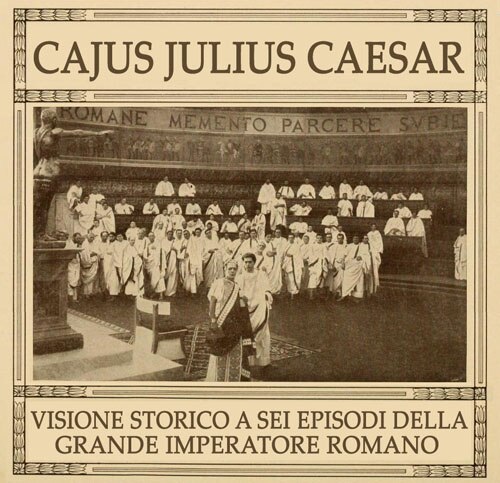
Italian silent film actress who achieved brief recognition during the golden age of Italian historical epics in the early 1910s. She emerged in cinema during a period when Italian filmmaking was experiencing unprecedented international success with lavish historical productions. Her most notable work came under the direction of Enrico Guazzoni, one of Italy's filmmakers of the silent era. Terribili-Gonzales appeared in two significant historical epics that showcased the grand scale and artistic ambition of Italian cinema at the time. Her career, while brief, coincided with the peak of Italy's dominance in international film production before World War I. Like many silent era actors whose careers were cut short by the war or other circumstances, detailed records of her life and later years remain scarce. Her performances in these historical spectacles represent her contribution to early Italian cinema's most celebrated period.
The Craft
On Screen
Typical of Italian silent era actresses in historical epics, likely employing theatrical gestures and dramatic expressions suitable for the grand scale of historical productions
Milestones
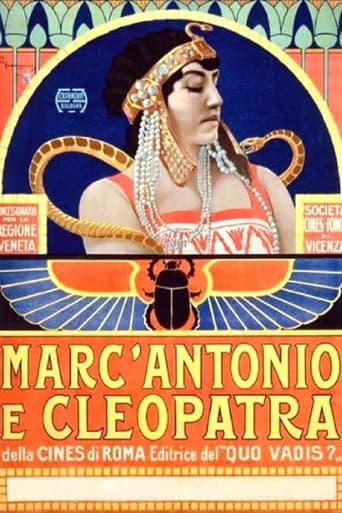
- Starred in Marc Antony and Cleopatra (1913)
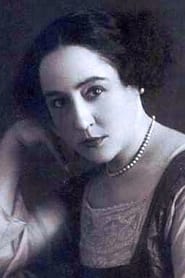
- Appeared in Cajus Julius Caesar (1914)
- Worked with director Enrico Guazzoni during Italy's silent cinema golden age
Best Known For
Iconic Roles
Must-See Films
Working Relationships
Worked Often With
Studios
Why They Matter
Impact on Culture
Gianna Terribili-Gonzales contributed to Italy's golden age of silent cinema during the early 1910s, a period when Italian historical epics dominated international markets. Her appearances in these grand productions helped establish the template for historical filmmaking that would influence cinema worldwide. Though her personal impact was limited by her brief career, she participated in the movement that demonstrated cinema's potential as an art form capable of epic storytelling. These early Italian spectacles paved the way for later Hollywood epics and established many conventions of historical filmmaking that persist today.
Lasting Legacy
Gianna Terribili-Gonzales' legacy is preserved through her participation in two significant examples of early Italian cinema's artistic achievements. While she may not be widely remembered today, her work in these historical epics represents the contribution of countless actors who helped establish cinema as a legitimate art form. The films she appeared in are studied by film historians as examples of early 20th century cinematic ambition and technical innovation. Her career serves as a reminder of the many talented performers from the silent era whose contributions have been largely lost to time but were essential to cinema's development.
Who They Inspired
As a relatively minor figure in early Italian cinema, Gianna Terribili-Gonzales' direct influence on subsequent performers is difficult to trace. However, her participation in these groundbreaking historical epics contributed to the development of acting styles appropriate for silent cinema's unique demands. The theatrical, expressive techniques employed by actors in these films influenced generations of performers in both silent and early sound cinema. Her work, along with that of her contemporaries, helped establish the conventions of historical drama that would be refined by later actors and directors.
Off Screen
Very limited information is available about Gianna Terribili-Gonzales' personal life, which is common for many actors from the early silent era whose careers were brief and occurred before systematic record-keeping in cinema.
Did You Know?
- Her career coincided with the peak of Italian silent cinema's international success
- She worked with Enrico Guazzoni, one of Italy's most important early film directors
- The historical epics she appeared in were among the most expensive and ambitious productions of their time
- Italian cinema of this period was known for its lavish sets and thousands of extras
- Her film career lasted only about two years, which was not uncommon for early silent era actors
- The films she appeared in helped establish many conventions of historical filmmaking still used today
- Early Italian historical epics like these were major international box office successes before World War I
- Many records from early Italian cinema have been lost, making detailed biographies of actors like Terribili-Gonzales difficult to compile
Frequently Asked Questions
Who was Gianna Terribili-Gonzales?
Italian silent film actress active during the early 1910s, known for her roles in historical epics during the golden age of Italian cinema.
What films is Gianna Terribili-Gonzales best known for?
Titles linked here include Marc Antony and Cleopatra (1913), Cajus Julius Caesar (1914).
When was Gianna Terribili-Gonzales active in cinema?
Her known film active years covered from 1913 to 1914, coinciding with the peak of Italian silent cinema's international success.
What style of acting did Gianna Terribili-Gonzales practice?
As a silent era actress in historical epics, she likely employed theatrical gestures and dramatic expressions typical of the period's grand-scale productions.
Why is there limited information about Gianna Terribili-Gonzales?
Detailed records for many early silent era actors are scarce due to the passage of time, loss of archives, and the fact that many had brief careers before systematic film industry record-keeping was established.