Films
2 films
About Ruffo Geri
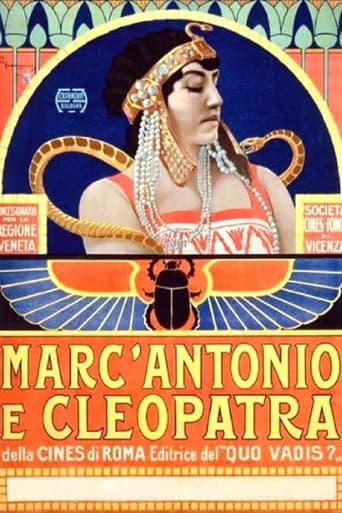
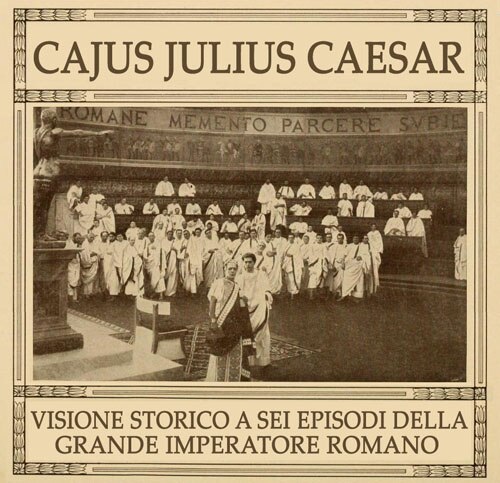
Italian silent film actor active during the early 1910s, appearing in historical epics that were popular during the golden age of Italian cinema. His brief but notable film career included performances in two significant historical productions that showcased the grandeur of ancient Rome. Geri appeared in 'Marc Antony and Cleopatra' in 1913, followed by 'Cajus Julius Caesar' in 1914, both films reflecting Italy's fascination with classical antiquity during the silent era. These productions were part of Italy's contribution to early cinema's historical epic tradition, which would later influence filmmakers worldwide. Unfortunately, like many actors from this very early period of cinema, detailed records of Geri's life and career are scarce, and his filmography appears to have been limited to these two known productions. His work represents the efforts of actors who helped establish the foundations of cinematic performance during cinema's formative years.
The Craft
On Screen
As a silent era actor, Ruffo Geri likely employed the exaggerated gestures and dramatic facial expressions characteristic of early cinema, where actors had to convey emotion without dialogue. His performances in historical epics would have required grand, theatrical presence suitable for the epic scale of these productions.
Milestones
- Appeared in 'Marc Antony and Cleopatra' (1913)
- Starred in 'Cajus Julius Caesar' (1914)
- Participated in Italy's early historical epic tradition
Best Known For
Iconic Roles
Must-See Films
Working Relationships
Worked Often With
Studios
Why They Matter
Impact on Culture
Ruffo Geri contributed to Italy's early dominance in historical epic films during the silent era, a period when Italian cinema was grand-scale productions that would influence filmmakers worldwide. His work in films about ancient Roman history helped establish the visual and dramatic language of historical cinema that would be refined and expanded upon by later generations. Though his individual contributions were modest, he was part of a movement that demonstrated cinema's potential for bringing historical narratives to life on an epic scale.
Lasting Legacy
Ruffo Geri's legacy is preserved through his participation in two significant early Italian historical films that represent the ambitious scope of early cinema. While not a major star, his work exemplifies the dedication of early film actors who helped establish the foundations of cinematic performance. These films, though likely lost or fragmentary as with many early works, remain important artifacts of cinema's development and Italy's contribution to early film history.
Who They Inspired
As an actor from the very early silent era with a brief filmography, Ruffo Geri's direct influence on subsequent performers is difficult to trace. However, his participation in Italy's early historical epics contributed to the development of acting techniques for silent cinema, particularly in the genre of historical drama. The grand, theatrical style required for such productions would influence how actors approached historical roles throughout the silent era and into the early sound period.
Off Screen
Very little is documented about Ruffo Geri's personal life, which is typical for actors from the very early silent era who often worked anonymously or with minimal public recognition. His brief active years covered only two known films during the early 1910s, a period when cinema was still establishing itself as a legitimate art form and actors were not yet the celebrities they would later become.
Did You Know?
- Appeared in films during the peak of Italy's early cinema dominance
- Participated in the historical epic genre that made Italian cinema famous internationally
- His active years covered only two known years, making him a representative of many early actors with brief careers
- Both of his known films dealt with Roman history, reflecting Italy's cultural connection to its classical past
- Like many early silent actors, much of his personal information has been lost to time
- His films were made before World War I, which would dramatically change European cinema
- Early Italian historical epics like his films were often shot on elaborate sets with thousands of extras
- The films he appeared in were likely made in Turin or Rome, centers of early Italian film production
Frequently Asked Questions
Who was Ruffo Geri?
Italian silent film with credits in this catalog. He was part of Italy's early cinema movement that specialized in grand historical productions.
What films is Ruffo Geri best known for?
Titles linked here include Marc Antony and Cleopatra (1913), Cajus Julius Caesar (1914).
When was Ruffo Geri born and when did he die?
Unfortunately, specific birth and death dates for Ruffo Geri are not available, which is common for actors from the very early silent era. He was active as an actor from 1913-1914 and was of Italian nationality.
What awards did Ruffo Geri win?
There are no recorded awards or nominations for Ruffo Geri, which is typical for actors from the very early period of cinema when formal award systems had not yet been established.
What was Ruffo Geri's acting style?
As a silent era actor, Ruffo Geri likely employed the dramatic gestures and expressive facial acting characteristic of early cinema, where performers needed to convey emotions without dialogue, especially in the grand scale of historical epics.