Films
3 films
About Tom Green
Tom Green was one of the actors of the earliest days of cinema, active during the crucial transitional period from 1897 to 1900 when motion pictures were evolving from novelty attractions to a narrative art form. He worked primarily in British cinema during its infancy, appearing in some of the first narrative films ever produced. His performances were captured in the short films that defined early cinema, often lasting only a minute or two but requiring significant expressive ability to convey story without sound. Green worked with innovative filmmakers who were experimenting with camera techniques, editing, and storytelling methods that would become foundational to cinema. His career, though brief, spanned the period when filmmakers were discovering the potential of the moving image as entertainment and art. The films he appeared in represent some of the earliest examples of narrative cinema and helped establish the vocabulary of film that would influence generations of filmmakers. While his name may not be widely recognized today, his contributions were part of the foundation upon which the entire film industry was built.
The Craft
On Screen
As an actor in the earliest days of cinema, Tom Green employed the highly physical and exaggerated acting style necessary for silent film performance. His acting relied heavily on facial expressions, body language, and broad gestures to convey emotion and narrative to audiences who had no dialogue or sound effects to guide them. This style was typical of the period, where actors needed to make their intentions clear through purely visual means, often drawing from stage performance traditions while adapting to the new medium's unique requirements.
Milestones
- Appeared in 'Comic Face' (1897), one of the earliest narrative films
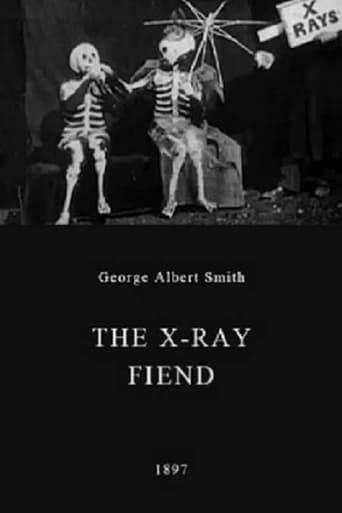
- Starred in 'The X-Ray Fiend' (1897), an early science fiction/comedy short
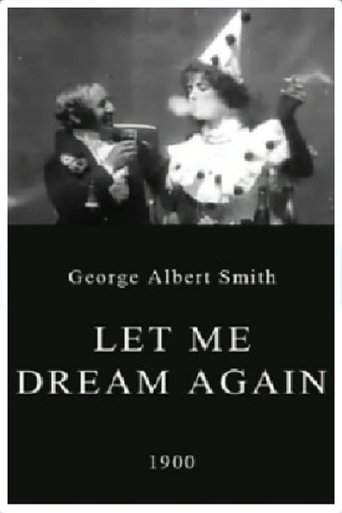
- Performed in 'Let Me Dream Again' (1900), an innovative early film using special effects
Best Known For
Must-See Films
Working Relationships
Worked Often With
Studios
Why They Matter
Impact on Culture
Tom Green was part of the first generation of film actors who helped establish the visual language of cinema. His performances in these groundbreaking films contributed to the development of acting techniques specifically suited to the motion picture medium. These early works demonstrated that actors could effectively convey stories and emotions through visual means alone, laying groundwork for the entire art of film performance. The films he appeared in were among the first to show that cinema could be more than just documenting real events - it could create fictional narratives and imaginative scenarios that would entertain and move audiences.
Lasting Legacy
While Tom Green's name may not be remembered by the general public, his work represents an important chapter in cinema history. He was among the first performers to discover how to act for the camera, helping to bridge the gap between stage performance and screen acting. The films he appeared in are now studied by film historians as examples of the earliest narrative cinema and the development of film as an art form. His contributions, though small in scale, were part of the foundation upon which the entire film industry was built during its most formative years.
Who They Inspired
As one of the earliest film actors, Tom Green's work influenced the development of screen acting techniques that would be refined and expanded upon by subsequent generations of performers. The physical and expressive style he employed in these films helped establish that acting for film required different techniques than stage performance, influencing how actors would approach the medium for decades to come.
Off Screen
Very little is documented about Tom Green's personal life, which was typical of early film actors whose contributions were often not recorded with the same detail as later cinema personalities. The primitive state of record-keeping in the film industry during the 1890s means that much information about these performers has been lost to history.
Did You Know?
- Tom Green was active during the absolute infancy of cinema, when films were typically under a minute long
- The films he appeared in were made before the turn of the 20th century, making them among the earliest surviving narrative films
- Early cinema actors like Green often performed multiple roles in a single film due to small cast sizes
- His film active years covered only three years, which was typical for many early film actors as the industry was still experimental
- The films he appeared in were likely shot on 35mm film, which was the standard format established by the Edison Manufacturing Company
- Early film actors often worked anonymously, with their names not appearing in credits as was common in later cinema
- The acting style required for these early films was influenced by pantomime and other visual theatrical traditions
- Many early film actors like Green came from theatrical backgrounds, adapting their stage skills for the new medium
Frequently Asked Questions
Who was Tom Green?
British with credits in this catalog. He appeared in some of the first narrative films ever made, including 'Comic Face' (1897), 'The X-Ray Fiend' (1897), and 'Let Me Dream Again' (1900), helping establish the foundations of screen acting during cinema's most formative years.
What films is Tom Green best known for?
Titles linked here include Comic Face (1897), The X-Ray Fiend (1897).
When was Tom Green born and when did he die?
Unfortunately, specific birth and death dates for Tom Green are not documented in historical records, which was common for many early film actors. The primitive state of record-keeping in the film industry during the 1890s means that much biographical information about these performers has been lost to history.
What awards did Tom Green win?
Tom Green did not receive any formal awards or recognition during his career, as the film industry had not yet established award systems during the 1897-1900 period. The first major film awards would not be established for several decades after his active years in cinema.
What was Tom Green's acting style?
Tom Green employed the highly physical and exaggerated acting style typical of early silent film, relying on broad gestures and expressive facial features to convey emotion and narrative. This visual approach was necessary in the absence of sound, requiring actors to make their intentions clear through purely visual means, often drawing from theatrical traditions while adapting to cinema's unique requirements.