No Poster
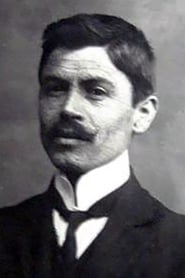
Janaki Manaki
Director
Born: 1882 in Manastir, Ottoman Empire (present-day Bitola, North Macedonia) Died: 1954 Active: 1905-1915
Films
2 films
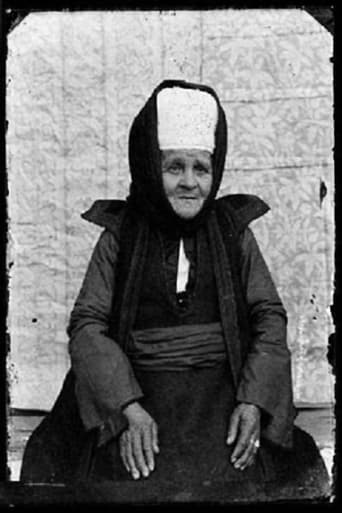
About Janaki Manaki
Filmmaker from the Balkans region who worked during the earliest days of cinema. Along with his brother Milton, Janaki was among the first to capture moving images in the Ottoman Balkans, documenting life in their native region through the new medium of film. Their work in 1905 represents some of the earliest cinematographic efforts in Southeastern Europe, predating many established national film industries. The Manaki brothers were originally photographers who transitioned to filmmaking, bringing their artistic eye to the new technology. Their films, including 'Weaving Women' and 'Grandma Despina,' were likely short documentary-style pieces typical of the era, capturing everyday life and cultural traditions. Their contribution to early cinema was significant in preserving visual records of Balkan life during the early 20th century, though their work remained relatively unknown to wider international audiences for many years.
The Craft
Behind the Camera
Documentary-style observational filmmaking focusing on everyday life and cultural traditions, typical of early cinema's ethnographic approach
Milestones
- First films in the Balkans region (1905)
- documentary filmmaking in Southeastern Europe
- Preserving visual records of early 20th century Balkan life
- Transition from photography to cinematography
Best Known For
Must-See Films
Accolades
Special Recognition
- Manaki Brothers Film Festival named in their honor
- Recognized as pioneers of Balkan cinema
Working Relationships
Worked Often With
Studios
Why They Matter
Impact on Culture
Janaki Manaki, along with his brother, represents the birth of cinema in the Balkans region. Their films serve as invaluable historical documents capturing the multicultural fabric of Ottoman society during its final decades. Their work preserved traditional crafts, customs, and ways of life that would soon be transformed by modernization and political changes. The Manaki brothers' films are now recognized as crucial cultural heritage, providing visual testimony to a vanished world.
Lasting Legacy
The Manaki brothers' legacy lives on through the annual Manaki Brothers Film Festival,. Their films are preserved in national archives and studied as important examples of early documentary cinema. They are celebrated as national heroes in North Macedonia and recognized throughout the region as pioneers who brought the magic of moving images to Southeastern Europe during cinema's infancy.
Who They Inspired
The Manaki brothers influenced generations of Balkan filmmakers, particularly in the documentary tradition. Their observational style and focus on everyday life became hallmarks of regional documentary filmmaking. Their work demonstrated how cinema could serve as both art and historical documentation, a dual purpose that many filmmakers in the region would later embrace.
Off Screen
Janaki Manaki worked closely with his brother Milton throughout their photographic and filmmaking careers. The brothers were of Aromanian ethnicity and documented the multicultural society of the Ottoman Balkans. They operated photography studios in several cities including Manastir and later Thessaloniki. Their work captured the transition from Ottoman rule to the modern nation-states in the region.
Education
Self-taught in photography and early cinematography techniques
Family
- Unknown
Did You Know?
- The Manaki brothers were among the first to use the Bioscope camera in the Balkans
- Their films were shot on 35mm film, a sophisticated format for the time
- Many of their films were only a few minutes long, typical of early cinema
- The brothers originally opened their first photography studio in 1905
- Their work documented the final years of Ottoman rule in the region
- The Manaki Brothers Film Festival has been held annually since 1979
- Their films are considered priceless historical documents of Balkan life
- They were of Aromanian (Vlach) ethnicity, a minority group in the region
In Their Own Words
We capture not just images, but the soul of our people and our time
Frequently Asked Questions
Who was Janaki Manaki?
filmmaker and photographer who, along with his brother Milton, was among the first to create motion pictures in the Balkans region during the early 1900s. They are considered the founders of Balkan cinema and created invaluable documentary records of life in the Ottoman Empire during its final decades.
What films is Janaki Manaki best known for?
Titles linked here include Weaving Women (1905), Grandma Despina (1905).
When was Janaki Manaki born and when did he die?
Born 1882; died 1954.
What awards did Janaki Manaki win?
During his lifetime, Janaki Manaki did not receive formal awards as he worked during cinema's earliest days before such institutions existed. However, his legacy is honored today through the annual Manaki Brothers Film Festival, and he is recognized as a figure in Balkan cinema history.
What was Janaki Manaki's directing style?
Janaki Manaki's directing style was observational and documentary-focused, typical of early cinema. He captured real people, traditional crafts, and everyday life with a straightforward, ethnographic approach. His films served as both artistic works and historical documents, preserving cultural traditions for future generations.