Films
2 films
About Paulette Lorsy
French actress who worked briefly during the days of cinema, appearing in silent films during the year 1911. She is documented as having performed in at least two comedy shorts featuring the popular character Max, played by the French comedian Max Linder, who was one of the first true international film stars. Her appearances in 'Max and His Mother-in-Law' and 'Max Takes Tonics' both released in 1911, place her within the important early French comedy tradition that preceded and influenced later silent comedy masters like Charlie Chaplin. The Max Linder series was produced by Pathé, one of the dominant film studios of early cinema, and these shorts were distributed internationally, making them significant artifacts of film history. Unfortunately, like many performers from this very early period of cinema, detailed biographical information about Paulette Lorsy is scarce, and her film career appears to have been brief and confined to this single year. Her work represents the contributions of countless early cinema performers who helped establish the language of film acting during its formative years, even though their names have largely faded from popular memory.
The Craft
Milestones
- Appeared in Max Linder comedy series films
- Worked with French film studio Pathé
- Participated in early international silent film distribution
Best Known For
Must-See Films
Working Relationships
Worked Often With
Studios
Why They Matter
Impact on Culture
Paulette Lorsy's contribution to cinema, though brief, represents the important role of supporting actors in establishing the comedy traditions of early silent film. Her work in the Max Linder series places her within the foundation of international film comedy, as these shorts were among the first to achieve global distribution and influence comedians worldwide. The Max Linder films she appeared in helped establish character-driven comedy and situational humor that would become staples of cinema, and her participation, even in minor roles, contributed to the collaborative art form that cinema was becoming. These early Pathé productions were instrumental in developing film language and acting techniques that would evolve throughout the silent era.
Lasting Legacy
Paulette Lorsy's legacy is primarily preserved through her documented appearances in two significant early comedy shorts that survive as important examples of 1911 French cinema. While her personal story may be lost to history, her work endures as part of the Max Linder filmography, which is studied by film historians as crucial to understanding the development of screen comedy. She represents the countless early film performers whose contributions, though not widely recognized today, were essential to building the foundation of cinema as an art form and entertainment medium. The survival of these films ensures that her work, however brief, remains accessible to scholars and enthusiasts of early cinema.
Who They Inspired
As an actress from the very early period of cinema, Paulette Lorsy's direct influence on later performers is difficult to trace, but her work in the Max Linder series contributed to the development of comedy acting styles that would influence generations of performers. The Max Linder films were known to have directly influenced Charlie Chaplin and other early comedy masters, meaning that even supporting roles like hers played a part in shaping the future of film comedy. Her participation in these internationally distributed shorts helped establish patterns of comic timing and physical humor that would become standard in silent cinema.
Did You Know?
- Appeared in films during the very early days of cinema, when movies were still a novelty
- Worked with Max Linder, who was one of the first international film stars
- Her films were produced by Pathé,
- Both of her known films were comedy shorts, a popular format in early cinema
- The Max Linder series was among the first film series to feature a recurring character
- Her films were likely distributed internationally, reaching audiences beyond France
- 1911 was still in the experimental phase of cinema, with actors often learning their craft on camera
- The films she appeared in predate many of the most famous silent era classics by several years
Frequently Asked Questions
Who was Paulette Lorsy?
French actress who worked briefly in silent films during 1911, appearing in comedy shorts starring Max Linder, one of the earliest international film stars.
What films is Paulette Lorsy best known for?
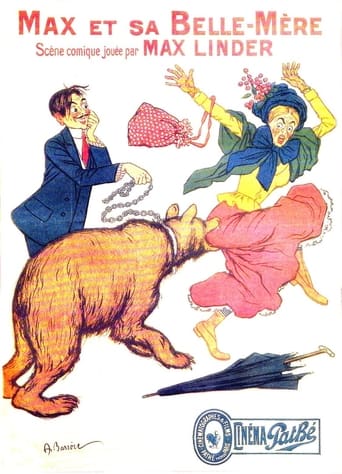
Titles linked here include Max and His Mother-in-Law (1911), Max Takes Tonics (1911).
When was Paulette Lorsy born and when did she die?
Unfortunately, detailed biographical information about Paulette Lorsy is not available, including her birth and death dates, which was common for many early cinema performers.
What awards did Paulette Lorsy win?
No awards or nominations for Paulette Lorsy have been documented, which is typical for actors from this very early period of cinema before formal award systems were established.
What was Paulette Lorsy's acting style?
While specific details about her acting style are not documented, as an actress in early Max Linder comedies, she likely employed the exaggerated physical gestures and facial expressions characteristic of silent film comedy.
Did Paulette Lorsy work with any famous directors or actors?
She worked with Max Linder, who was.
Why is so little known about Paulette Lorsy?
Limited documentation is common for actors from the very early cinema period (1910s), as film was still a new medium and many performers, especially those in supporting roles, were not extensively documented in contemporary records.