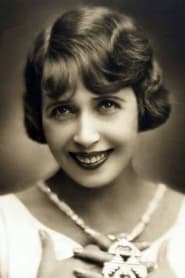
Mistinguett
Actor
- Born
- April 3, 1875, Enghien-les-Bains, France
- Died
- January 5, 1956
- Active
- 1910-1911
- Birth name
- Jeanne Florentine Bourgeois
Films 2
About Mistinguett
Mistinguett was the stage name of Jeanne Florentine Bourgeois, a towering figure of French popular entertainment who became one of the most celebrated music-hall performers of the early 20th century and also appeared in a small number of early films. Born in Enghien-les-Bains, near Paris, she rose from modest origins to become a major star of the Parisian stage, especially associated with the Folies Bergère and other variety theaters. Although her film acting career was limited compared with her stage renown, she appeared in early silent productions, including Les timidités de Rigadin (1910) and The Lady Doctor (1911), during the formative years of French cinema. Her screen work was part of a broader career defined by charisma, glamour, song, dance, and a shrewd understanding of celebrity culture. Mistinguett became famous for her sparkling presence, audacious persona, and the way she embodied modern Parisian femininity in the Belle Époque and interwar years. She remained a public legend in France long after her peak years, remembered less as a film actor than as an icon of music hall and popular culture. Her life and career bridged the world of early cinema and the long tradition of French cabaret performance.
More about Mistinguett
On screen
Mistinguett's screen acting was shaped by her stage background, emphasizing presence, expression, and an instantly recognizable star persona rather than subtle naturalism. In early silent film appearances, she would have relied on gesture, facial expressiveness, and comic or glamorous characterization suited to the conventions of the era. Her performance style was broader and more theatrical than later film acting, reflecting the music-hall tradition from which she emerged. She was especially effective as a personality performer, projecting confidence, allure, and wit. Her fame rested on charisma and self-presentation as much as on dramatic technique.
In film history
Mistinguett was one of the defining celebrity figures of French popular culture in the early 20th century. Her fame came primarily from the music hall, but her film appearances place her within the history of early cinema as part of the cross-pollination between stage spectacle and silent film stardom. She helped establish the model of the larger-than-life French female entertainer: glamorous, witty, flirtatious, independent, and instantly recognizable to mass audiences. Her image influenced how Parisian femininity and show-business sophistication were represented in popular media for decades. Even though her screenography is brief, her name remains important in the cultural memory of silent-era France because she embodied the era's entertainment world so completely.
Later reputation
Mistinguett's lasting legacy lies in her status as a symbol of Belle Époque and interwar French entertainment. She is remembered less for a substantial film career than for the enormous influence she exerted as a stage performer and celebrity icon whose image circulated through performance, publicity, and popular lore. Her early film appearances are valuable historical documents because they connect one of France's greatest live entertainers to the first years of narrative cinema. Historians of French popular culture continue to cite her as a key figure in the development of modern stardom, especially the fusion of performance talent with self-mythologizing celebrity. In film history, her significance is that she represents the many great stage stars who briefly entered cinema while remaining primarily identified with live performance.
Influence
Mistinguett influenced later entertainers by demonstrating the power of a carefully managed public persona combined with strong stagecraft and audience appeal. Her success showed how a performer could become a national symbol through charisma, fashion, publicity, and a distinctive style of address. In the silent era, her screen presence also reflected the transfer of music-hall expressiveness into film performance, influencing the way theatrical stars adapted to moving pictures. She remains an important reference point for French performers seeking to combine popular appeal with artistic identity. Her broader influence is felt in the history of celebrity culture as much as in acting technique.
Off screen
Mistinguett's personal life was closely tied to the theatrical and nightlife circles of Paris, and her private life attracted as much attention as her performances. She was known for high-profile romances and for cultivating a glamorous, witty public image that enhanced her celebrity. Like many major performers of her era, she navigated a career in which personal relationships, public image, and professional status were closely intertwined. Her life story is often discussed in connection with the rise of modern celebrity culture in France. She never became primarily known as a film star, but as a show-business personality whose private and professional identities were inseparable.
Education
Formal education is not well documented in standard film and entertainment references; she is chiefly known to have been trained through the practical world of Parisian popular performance rather than an academic or conservatory background.
Credits
- Became one of the most famous music-hall and cabaret performers in France during the Belle Époque and interwar period
- Appeared in early silent films, including Les timidités de Rigadin (1910) and The Lady Doctor (1911)
- Headlined major Parisian venues such as the Folies Bergère, helping define the glamour of French popular entertainment
- Built a legendary public persona through song, dance, wit, and highly visible celebrity branding
- Remained an enduring cultural icon in France well beyond the height of her performing career
Roles
- Stage and screen versions of the coquettish Parisian entertainer
- Music-hall star persona associated with the Folies Bergère
Films
- Les timidités de Rigadin (1910)
- The Lady Doctor (1911)
Awards
- Legion of Honour, French state decoration for contributions to culture and the arts
Honors
- Widely regarded as one of France's greatest music-hall legends
- Longstanding popular icon of Parisian entertainment
- Subject of continuing historical and cultural commemoration in French show-business history
Collaborators
- Artists and directors associated with early French silent cinema
- Music-hall impresarios and Folies Bergère production teams
Studios
- Pathé
- Early French silent film production circles
Family
- None known; she was not generally documented as having a formal spouse
Notes
- Her stage name, Mistinguett, became more famous than her birth name, Jeanne Florentine Bourgeois.
- She was one of the best-known music-hall stars in France and a symbol of Parisian glamour.
- Her film career was brief, but she appeared during the formative years of French silent cinema.
- She was strongly associated with the Folies Bergère, one of the most famous Parisian entertainment venues.
- Mistinguett was celebrated for her wit and for turning herself into a public legend.
- She helped popularize a style of performance that blended song, dance, flirtation, and theatrical personality.
- Her life has often been discussed in histories of French celebrity culture, not just film history.
- She remains a notable name in silent-era film databases despite having only a small screen filmography.
Quotes
No reliably sourced, widely accepted quotes are available in standard references consulted for this entry.
Questions
Who was Mistinguett?
Mistinguett was the stage name of Jeanne Florentine Bourgeois, a famous French singer, dancer, actress, and music-hall star. She is best remembered as one of the great entertainment icons of early 20th-century Paris, with a brief but notable presence in silent film.
What films is Mistinguett best known for?
Her known film appearances include Les timidités de Rigadin (1910) and The Lady Doctor (1911). These early silent films are notable mainly as records of a major stage celebrity appearing in cinema's formative years.
When was Mistinguett born and when did she die?
Mistinguett was born on April 3, 1875, in Enghien-les-Bains, France. She died on January 5, 1956.
What awards did Mistinguett win?
One of the most notable honors associated with her is the French Legion of Honour, recognizing her contributions to culture and the arts. Beyond formal awards, her greatest recognition was the extraordinary public fame and enduring cultural status she achieved.
What was Mistinguett's acting style?
Her acting style was rooted in music-hall performance and early silent-film expressiveness. She relied on strong gesture, vivid facial expression, and a charismatic, theatrical screen presence rather than subtle realism.
What was Mistinguett's legacy?
Mistinguett's legacy is that of a legendary French entertainer who helped define the glamour of the Belle Époque and interwar period. In film history, she is remembered as an important stage star who crossed into silent cinema and as a symbol of early modern celebrity.