The Lady Doctor
Plot
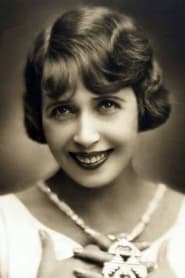
In this short comic film, Charles Prince plays a husband who finds himself neglected because his wife, played by Mistinguett, is absorbed by her medical calling and spends her energy acting as a doctor rather than as a conventional housewife. Feeling frustrated by her constant professional preoccupations and the lack of domestic attention, he begins looking for diversion elsewhere. The comedy plays on role reversal and marital inconvenience, with the husband’s search for amusement creating a series of light domestic and social complications. As in many early French farces, the humor comes from exaggerated behavior, quick reversals of expectation, and the collision between modern professional life and traditional gender roles.
About the Production
The Lady Doctor is a brief Pathé comedy from the early 1910s, produced in the period when French studios were turning out large numbers of one-reel comic sketches for international distribution. Like many films of this era, it was designed as a compact gag-driven entertainment rather than a feature-length narrative, with emphasis on performance and situational comedy rather than elaborate sets or complex continuity. The film is associated with Georges Monca, a prolific director of Pathé comedies, and with popular stage and screen performer Mistinguett, whose star persona was already becoming an important draw for French cinema audiences. Surviving documentation is limited, so finer-grained production details such as exact filming sites, crew credits beyond the director, and budgetary data are not generally available in standard reference sources.
Historical Background
The film was produced in 1911, just before the feature film would become dominant in international cinema. In France, Pathé Frères was one of the most powerful film companies in the world, supplying theaters with a steady stream of shorts that mixed comedy, melodrama, crime films, and topical subjects. The era also saw changing ideas about women’s work, education, and public identity, and this comedy uses those changes as a source of amusement by presenting a wife whose professional obligations disrupt the expected domestic order. At the same time, cinema itself was moving from novelty entertainment toward a more organized mass medium, and short comic films like this were essential in shaping early screen comedy and star culture.
Why This Film Matters
Although The Lady Doctor is not widely known today, it is culturally significant as a small but revealing artifact of early French comic cinema. It captures the period’s fascination with role reversal and social satire, especially around the relationship between domestic life and professional ambition. The film also contributes to the early screen legacy of Mistinguett, whose later fame in stage and film made her an important figure in French popular culture. For scholars, the film is useful as evidence of how early cinema used contemporary anxieties and social changes to generate broadly accessible comedy.
Making Of
The Lady Doctor was made during a transitional moment in French cinema, when companies such as Pathé Frères were standardizing production, distribution, and star promotion. Georges Monca’s work for Pathé often relied on economical staging and readable comic business, and this film appears to have followed that model: a clear premise, a few recognizable performers, and a punchline-oriented domestic situation. Mistinguett’s participation is notable because her public image as a lively, fashionable, and highly visible entertainer gave the film an added marketing advantage even in a modest short. Detailed surviving production records are scarce, so information about exact shooting circumstances, costume design, and set construction is limited, but the film’s structure strongly suggests the efficient, studio-based filmmaking typical of Pathé’s comedy unit.
Visual Style
The film would have relied on the visual grammar typical of 1911 silent comedy: fixed or minimally mobile camera placement, frontal staging, and clear blocking so the joke reads instantly. Pathé comedies of this sort often emphasized theatrical visibility over elaborate camera movement, with performers entering and exiting the frame in ways that keep the comic situation legible. The visual style was likely bright, direct, and performance-centered, making use of costume, gesture, and spatial arrangement rather than complex editing. Any comic effect would have depended heavily on the performers’ expressions and timing, especially in scenes of marital irritation and social embarrassment.
Innovations
No major technical innovations are specifically associated with this film, which is typical for a short comedy from 1911. Its significance lies more in its efficient construction and its participation in the developing language of screen farce. The film demonstrates the mature use of silent performance, comic blocking, and economical storytelling that Pathé had refined by this period. As part of the studio’s output, it reflects the industrialization of early cinema rather than a single groundbreaking technical advance.
Music
As a silent film, The Lady Doctor would not have had a synchronized recorded soundtrack. In its original exhibition, it would typically have been accompanied by live music, often a pianist or small theater ensemble improvising or selecting popular tunes to match the tone of the scene. Specific original cue sheets or composer information are not generally known for this title. Modern presentations of the film, if available, may use archival-style accompaniment or newly commissioned silent-film scores.
Memorable Scenes
- The central domestic setup in which the husband discovers that his wife’s attention is devoted more to doctoring than to household expectations.
- The husband’s comic decision to seek diversion elsewhere after realizing he cannot compete with her professional preoccupations.
- The role-reversal premise itself, which would have played as a visual gag and a satirical comment on changing social roles.
Did You Know?
- The film is an early example of a comedy built around a woman in a professional role, which was still unusual and inherently comic for audiences of the period.
- Mistinguett, later one of France’s most famous music-hall and screen personalities, appears here in one of her early film-era screen roles.
- Georges Monca was a highly active director for Pathé Frères, and films like this helped establish the studio’s comic output in the pre-feature era.
- The known plot centers on a marital imbalance caused by the wife’s dedication to medicine, a reversal that reflects early cinema’s fondness for gender-role humor.
- The film is short-form and likely structured as a single comic situation rather than a multi-act narrative, which was typical of 1911 studio comedies.
- Because it was produced by Pathé Frères, the film would originally have been part of a broader program of shorts shown alongside newsreels, actualities, and other comic films.
- Charles Prince, named in the known plot description, was a familiar comic presence in French cinema and stage entertainment of the era.
- Early films like this often survive in incomplete or fragmentary documentation, making cast and plot records especially valuable for film historians.
What Critics Said
Contemporary critical reception is not well documented in surviving sources, which is common for short Pathé comedies from this period. At the time of release, films like this were usually reviewed, if at all, in trade or exhibitor publications with attention to their comic effectiveness, star appeal, and program value rather than deep aesthetic analysis. Modern critical interest tends to be historical rather than evaluative, focusing on Georges Monca’s role in early French comedy, Mistinguett’s screen career, and the film’s reflection of gender-role humor in prewar popular culture. The film is generally regarded by historians as an illustrative example of Pathé’s production of concise, easily exportable comic shorts.
What Audiences Thought
No precise audience-response data survives, but the film was likely designed for broad popular appeal in urban and provincial theaters. Mistinguett’s presence and the familiar domestic-comedy premise would have made it accessible to audiences regardless of language, since much of the humor in silent cinema depended on gesture and situation. Early French comedies of this type were typically well suited to international circulation, and a film with a clear premise and lively performers would likely have been received as a light entertainment item within a mixed program. Its survival in film databases and archival references suggests that it retained enough interest for historians and collectors to preserve its record even where audience documentation is absent.
Film Connections
Influenced By
- French stage farce
- Pathé domestic comedies
- Early silent comic sketches
- Music-hall performance traditions
This Film Influenced
- Later domestic farces built around role reversal
- Silent-era comedies featuring professional women and confused husbands
- Early French comic shorts with star-driven performance
You Might Also Like
More Comedy Films
View allMore from Georges Monca
View allFilm Restoration
The film is known through archival and database records, but detailed preservation information is limited in standard public sources. It is not generally cited as a widely circulated restored title, and there is no widely documented modern restoration status available from the information currently accessible. Its survival status is therefore best treated as uncertain in public-facing references unless confirmed by a specific archive print or restoration record.