Films
5 films
About Gigetta Morano
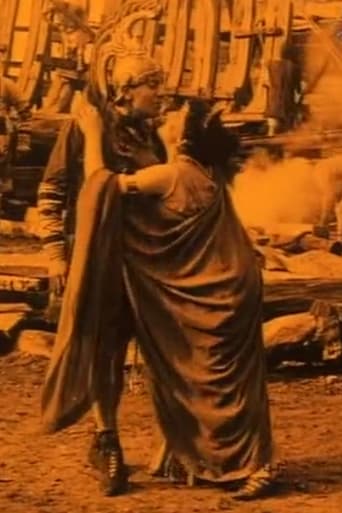
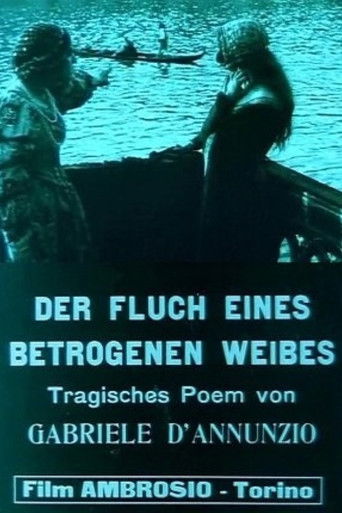
Italian silent film actress who emerged during the era of cinema, working primarily between 1910 and 1912. Her brief but significant career coincided with the birth of the Italian film industry, which was becoming productive and innovative in Europe during this period. Morano appeared in several notable early productions, including adaptations of classical literature and original dramatic works that showcased the artistic ambitions of early Italian cinema. Her role in 'Didone abbandonata' (1910) demonstrated the industry's early interest in adapting classical operatic and literary sources for the new medium of film. The following year, she appeared in 'A Blind Retribution' (1911), which suggests she may have worked in international co-productions, as the title is in English while her other works had Italian titles. Her final known film appearance was in 'La nave dei leoni' (1912), which translates to 'The Ship of Lions,' likely a dramatic adventure film typical of the era's popular genres. Despite her short career, Morano's work represents the contributions of countless early film actors who helped establish the foundations of cinematic storytelling during its formative years.
The Craft
On Screen
As a silent film actress of the early 1910s, Morano would have employed the exaggerated gestural and facial expression techniques characteristic of the era, where physical performance had to convey emotion and narrative without dialogue. Her performances likely drew from theatrical traditions, which heavily influenced early cinema acting styles before the development of more naturalistic film acting techniques.
Milestones
- Appeared in 'Didone abbandonata' (1910), an early adaptation of classical literature
- Starred in 'A Blind Retribution' (1911)
- Featured in 'La nave dei leoni' (1912)
- Worked during the golden age of Italian silent cinema
Best Known For
Iconic Roles
Must-See Films
Working Relationships
Worked Often With
Studios
Why They Matter
Impact on Culture
Gigetta Morano represents the countless women who helped establish the foundations of cinema during its formative years. Her work in early Italian films contributed to the country's reputation as a cinematic powerhouse in the 1910s, when Italy was producing some of the most ambitious and technically innovative films in the world. The fact that she appeared in adaptations of classical literature like 'Didone abbandonata' reflects the early film industry's aspiration to be taken seriously as an art form worthy of adapting high culture. Her brief active years covered a crucial period when cinema was transitioning from simple novelty to sophisticated storytelling medium, and her performances, though now largely lost to time, were part of this artistic evolution.
Lasting Legacy
Gigetta Morano's legacy lies in her representation of the generation of film actors who worked during cinema's birth. While individual details of her career may be lost, her contributions are preserved as part of the broader history of early Italian cinema, which influenced filmmaking worldwide. The films she appeared in, particularly adaptations of classical works, helped establish precedents for literary adaptations that continue in cinema today. Her career, though brief, exemplifies the transient nature of early film stardom, when many actors appeared in only a handful of films before disappearing from historical records.
Who They Inspired
As an early silent film actress, Morano would have been part of the generation that established acting techniques specifically adapted for the camera. Her work in Italian productions contributed to the development of the dramatic style that would influence cinema internationally. The Italian film industry of her era was known for its epic productions and dramatic intensity, which influenced filmmakers worldwide, particularly in historical and costume genres.
Off Screen
Very little is documented about Gigetta Morano's personal life, which is typical for many early film actors whose records were not extensively preserved. Like many performers of her era, she may have come from a theatrical background or been discovered during the rapid expansion of the film industry in Italy.
Did You Know?
- Gigetta Morano worked during the peak of Italy's silent film dominance, when the country was second only to France in film production
- Her film 'Didone abbandonata' (1910) was part of the early trend of adapting classical literature and opera to cinema
- The early 1910s saw Italian cinema producing some of the world's first feature-length films
- Many films from this era, including likely some of Morano's work, have been lost to time due to the fragile nature of early film stock
- Italian actresses of this period were often internationally known, as Italian films were distributed globally
- The name 'Gigetta' is a diminutive form of 'Luigia' or 'Giovanna', common in Italian naming traditions
- 1912, the year of her last known film, was the same year Italian cinema produced its first major international blockbuster 'Quo Vadis?'
Frequently Asked Questions
Who was Gigetta Morano?
Italian silent film actress active during the early 1910s, appearing in three known films between 1910 and 1912. She worked during the era of Italian cinema when the country was establishing itself as a major force in international film production.
What films is Gigetta Morano best known for?
Titles linked here include Didone abbandonata (1910), A Blind Retribution (1911).
When was Gigetta Morano born and when did she die?
Specific birth and death dates for Gigetta Morano are not documented, which is common for many early film actors whose personal records were not preserved. She was active as an actress between 1910 and 1912 during the silent film era in Italy.
What awards did Gigetta Morano win?
No awards or nominations are documented for Gigetta Morano, which is typical for actors working in the early 1910s before the establishment of formal film awards systems. The Academy Awards would not be established until 1929, well after her known career ended.
What was Gigetta Morano's acting style?
As a silent film actress of the early 1910s, Morano would have used the exaggerated gestural and facial expression techniques characteristic of the era. Her performances likely drew from theatrical traditions, employing dramatic physical movements to convey emotion and story without the benefit of synchronized sound.