Harry Dunkinson
Actor
- Active
- 1915-1921
Films 2
About Harry Dunkinson
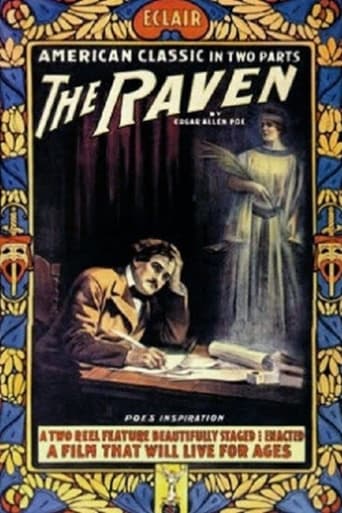
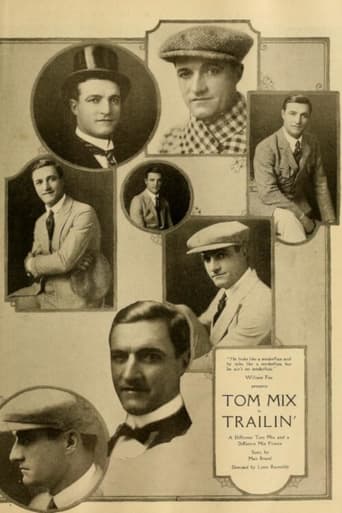
Harry Dunkinson was an American silent-era character actor whose screen career was brief but notable in the second half of the 1910s and early 1920s. He is best remembered today for appearing in major Western and adventure productions of the period, including The Raven (1915) and Trailin' (1921), both of which place him within the popular frontier and melodrama cycles of early Hollywood. As with many supporting players of the silent era, detailed biographical records about his early life, training, and later years are scarce, and much of what is known comes from film credits rather than from contemporary interviews or studio publicity. His surviving screen record suggests that he worked as a dependable supporting performer rather than as a leading man, contributing to films that relied on strong ensemble casting and clear visual characterization. Dunkinson's career reflects the realities of silent-era stock acting, where actors often moved between studios and production companies without leaving the extensive paper trail later stars did. Although he did not become a widely documented celebrity, he remains part of the foundational generation of screen performers who helped shape the grammar of American silent cinema. His filmography places him squarely in the transitional years when Hollywood was refining genre storytelling, particularly in Westerns and popular serial-adjacent adventure pictures.
More about Harry Dunkinson
On screen
Specific reviews or performance analyses of Harry Dunkinson's acting style are not readily documented in surviving sources. Based on the kinds of films in which he appeared, he likely worked in the expressive, physically legible style typical of silent-era supporting performers, using clear body language, facial expression, and easily readable character types. His screen presence appears to have been suited to ensemble casting rather than star-centered display, suggesting a practical, functional style common among veteran character actors of the period.
In film history
Harry Dunkinson's cultural impact lies less in celebrity than in representation: he is part of the large and essential class of silent-era supporting players whose work made early feature films legible and commercially viable. Performers like Dunkinson helped define the texture of early Hollywood storytelling by embodying the side characters, townsmen, roughs, officials, and other supporting figures that gave Westerns and melodramas their social world. Even when individual records are sparse, actors such as Dunkinson matter to film history because they demonstrate how studio-era cinema relied on an experienced pool of dependable performers to sustain output. His surviving credits connect him to the formative years of the American feature film, when genre conventions were being standardized and the silent screen vocabulary was still evolving. In that sense, he contributes to the broader historical understanding of how Hollywood built its early narrative systems through ensemble performance rather than solely through star names.
Later reputation
Dunkinson's legacy is as a documented participant in silent-era American cinema, particularly in genre films that have remained part of film history through surviving credits and archival references. While he does not appear to have achieved star status, his name endures in filmographies that track the many working actors who supported the growth of the medium. For historians and database researchers, his film record is valuable because it helps reconstruct casting practices and the professional networks of early Hollywood. His career also serves as a reminder that classic cinema was sustained by hundreds of performers whose contributions were essential but often under-recorded. In the context of film history, Dunkinson belongs to the generation of screen craftsmen whose work is preserved more in credits than in publicity, yet who remain important to the archival memory of the silent screen.
Influence
There is no evidence that Harry Dunkinson directly influenced major named actors or directors in a documented, personal sense. His broader influence is indirect: by participating in early silent productions, he contributed to the norms of supporting performance that later character actors inherited. The kind of pragmatic, visually clear acting required in his films helped establish the baseline for screen characterization in the silent era, especially in Westerns and action-driven narratives. His career is therefore influential as part of the collective craft tradition of early Hollywood rather than as the work of a singularly famous innovator.
Off screen
No reliable, widely cited biographical record has been found for Harry Dunkinson's personal life, family background, or later years. Unlike major stars of the silent era, he does not appear to have been the subject of extensive studio publicity, magazine profiles, or later biographical research that would establish details such as marriage, children, education, or residence. As a result, his off-screen life remains largely undocumented in readily accessible historical sources. The absence of detail is typical for many working actors of early cinema whose careers were modestly public but not heavily mythologized.
Education
No verified information available regarding his education or formal acting training.
Credits
- Appeared in The Raven (1915), one of the better-known silent-era titles associated with his surviving film credit record
- Worked in the Western and frontier-adventure film tradition during the peak years of silent cinema
- Maintained screen activity across the mid-1910s through the early 1920s, a period of rapid expansion for Hollywood production
- Appeared in Trailin' (1921), extending his film presence into the early 1920s silent Western era
- Represented the reliable supporting-actor class that helped populate and stabilize silent film ensembles
Notes
- Harry Dunkinson is primarily documented through film credits rather than through extensive surviving biographical records.
- He appeared in both The Raven (1915) and Trailin' (1921), showing that his screen work spanned at least six years.
- His surviving credits place him in the silent-era Western and adventure tradition, genres that were among Hollywood's most popular during his career.
- Like many supporting actors of the silent period, he worked during a time when ensemble casting was crucial and studio publicity often favored leads over character performers.
- There is no widely available public record of his birth or death details in standard reference sources, which is common for many early film workers.
- He is an example of a classic-cinema personality whose importance lies in film history documentation as much as in star recognition.
- His name appears in archival filmographies, helping researchers map the personnel of early 20th-century American cinema.
Questions
Who was Harry Dunkinson?
Harry Dunkinson was an American silent-era actor best known for supporting roles in early twentieth-century films. His surviving credits place him in the Western and adventure traditions of classic Hollywood, including The Raven (1915) and Trailin' (1921).
What films is Harry Dunkinson best known for?
He is best known from the surviving record for The Raven (1915) and Trailin' (1921). These credits place him in the silent-era genre filmmaking that helped define early Hollywood's popular output.
When was Harry Dunkinson born and when did he die?
His birth and death dates are not clearly documented in the readily available historical record. Likewise, his place of birth and death are not reliably established from the sources typically used for classic cinema research.
What awards did Harry Dunkinson win?
No awards or formal honors are currently documented for Harry Dunkinson in surviving standard reference materials. This is not unusual for silent-era supporting actors, many of whom worked before modern award culture became a major part of Hollywood.
What was Harry Dunkinson's acting style?
Specific contemporary descriptions of his acting style are not widely preserved. Based on his silent-era work, he likely used the expressive, physically readable performance style common to supporting players of the period, emphasizing gesture, posture, and facial expression.
What is Harry Dunkinson's legacy in film history?
His legacy is that of a working silent-era actor who contributed to the fabric of early American cinema. Even without star status, his screen appearances help historians reconstruct the personnel, casting patterns, and genre practices of classic Hollywood's formative years.