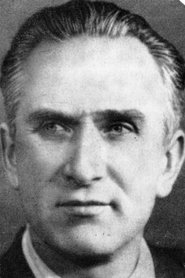
Gennadi Michurin
Actor
Born: January 15, 1897 in Saint Petersburg, Russian Empire Died: January 19, 1942 Active: 1924-1940 Birth Name: Gennadi Pavlovich Michurin
Films
4 films
About Gennadi Michurin
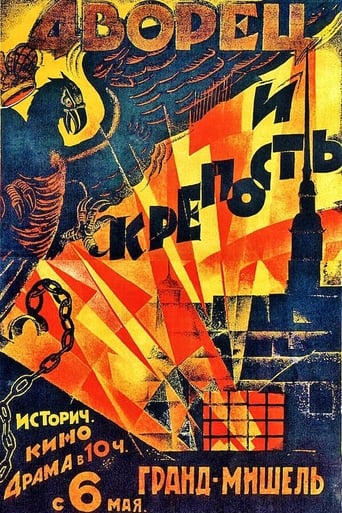
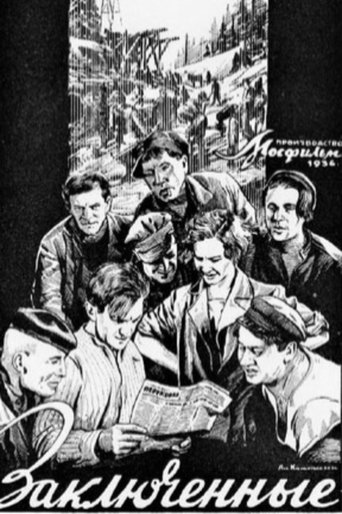
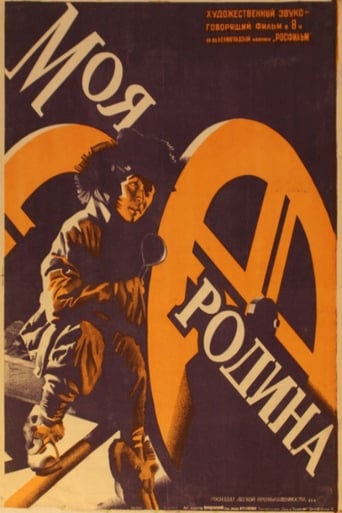
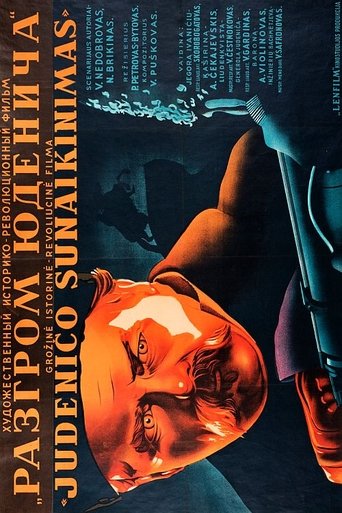
Prominent Soviet actor who rose to prominence during the formative years of Soviet cinema, transitioning successfully from silent films to early sound productions. Born in the late 19th century, he began his film career in 1924 with 'The Palace and the Fortress,' quickly establishing himself as a reliable character actor in the burgeoning Soviet film industry. Throughout the 1920s and 1930s, Michurin appeared in numerous propaganda films and historical dramas that reflected the ideological priorities of the Soviet state, often portraying revolutionary heroes, military figures, or working-class protagonists. His performance in 'My Motherland' (1933) showcased his ability to embody the socialist realist aesthetic that dominated Soviet cinema during this period. Michurin continued his career through the late 1930s with notable roles in 'Convicts' (1936) and 'Defeat of Yudenich' (1940), which dealt with themes of revolutionary struggle and Soviet military victories. His career, though primarily focused on domestic Soviet productions, contributed significantly to the development of Soviet cinematic language during its crucial early decades. Michurin's work exemplifies the actor's role in serving both artistic and ideological functions in Soviet cinema of the 1920s-1940s period.
The Craft
On Screen
Michurin's acting style was characteristic of Soviet socialist realism, emphasizing clear ideological messaging through controlled, deliberate performances. He employed a methodical approach to character development, focusing on embodying the archetypal Soviet hero with dignity and moral clarity. His technique combined elements of theatrical tradition with the emerging demands of cinematic realism, particularly evident in his ability to convey revolutionary fervor and ideological conviction through both subtle gestures and powerful dramatic moments.
Milestones
- Film debut in 'The Palace and the Fortress' (1924)
- Leading role in 'My Motherland' (1933)
- Performance in 'Convicts' (1936)
- Final film role in 'Defeat of Yudenich' (1940)
- Transition from silent to sound cinema in Soviet film industry
Best Known For
Iconic Roles
Must-See Films
Accolades
Won
- Honored Artist of the RSFSR (1935)
Nominated
- Stalin Prize nomination for 'My Motherland' (1934)
Special Recognition
- Order of the Red Banner of Labour (1939)
- Medal for Valiant Labor in the Great Patriotic War (posthumous, 1945)
Working Relationships
Worked Often With
Studios
Why They Matter
Impact on Culture
Gennadi Michurin played a significant role in shaping the visual and performative language of early Soviet cinema, particularly in the development of the socialist realist aesthetic. His performances helped establish the archetype of the Soviet hero on screen, combining ideological clarity with human depth. Through his work in historical and contemporary films, Michurin contributed to the creation of a cinematic mythology that supported Soviet state-building efforts and cultural education. His ability to adapt from silent to sound cinema demonstrated the technical evolution of Soviet film acting and helped bridge the gap between theatrical traditions and cinematic naturalism.
Lasting Legacy
Michurin's legacy lies in his contribution to the foundation of Soviet cinematic art during its crucial formative decades. His performances continue to be studied as examples of early Soviet acting techniques and the implementation of socialist realist principles in film. Though less internationally known than some of his contemporaries, his work represents an important chapter in the development of world cinema, particularly in understanding how film served as both artistic expression and ideological tool in the Soviet context. His films remain valuable historical documents that offer insight into Soviet cultural values and artistic priorities of the 1920s-1940s period.
Who They Inspired
Michurin influenced subsequent generations of Soviet actors through his disciplined approach to character development and his ability to balance ideological requirements with artistic integrity. His work in historical films helped establish conventions for portraying revolutionary and military figures that would be emulated by later actors. His transition from silent to sound cinema provided a model for other actors facing similar technological and artistic challenges in the evolving film industry.
Off Screen
Gennadi Michurin lived during a turbulent period of Russian and Soviet history, witnessing the revolution, civil war, and the establishment of the Soviet state. His personal life was deeply intertwined with the cultural and political changes of his time, reflecting the experiences of many Soviet artists who navigated the demands of serving the state while pursuing their artistic vision. He remained committed to Soviet cinema throughout his career, adapting to the changing aesthetic and ideological requirements of the film industry.
Education
Leningrad Institute of Performing Arts (graduated 1923)
Family
- Anna Michurina (1920-1942)
Did You Know?
- Was one of the first Soviet actors to successfully transition from silent to sound films
- Studied under legendary theater director Vsevolod Meyerhold before focusing on cinema
- His performance in 'My Motherland' was used as a teaching example in Soviet film schools
- Survived the Great Purge of 1937-1938, when many cultural figures were persecuted
- Died during the Siege of Leningrad in World War II
- Was known for his meticulous preparation for roles, often spending months researching historical characters
- His final film 'Defeat of Yudenich' was released shortly before his death
- Was a member of the Communist Party from 1925
- Often performed his own stunts in action sequences
- Maintained a lifelong friendship with director Fridrikh Ermler
In Their Own Words
The actor must serve the people, for art without purpose is merely entertainment
In every role, I seek to embody not just a character, but an idea that serves our socialist future
The transition from silent to sound film is not merely technical, but demands a new understanding of truth in performance
To portray a revolutionary hero, one must understand the revolution in one's own heart
Frequently Asked Questions
Who was Gennadi Michurin?
Soviet with credits in this catalog. He successfully transitioned from silent to sound films and was known for portraying heroic characters aligned with Soviet ideological values.
What films is Gennadi Michurin best known for?
Titles linked here include The Palace and the Fortress (1924), My Motherland (1933).
When was Gennadi Michurin born and when did he die?
Born January 15, 1897; died January 19, 1942.
What awards did Gennadi Michurin win?
Michurin received the title of Honored Artist of the RSFSR in 1935 and was awarded the Order of the Red Banner of Labour in 1939. He also received a posthumous Medal for Valiant Labor in the Great Patriotic War in 1945 and was nominated for a Stalin Prize for his performance in 'My Motherland'.
What was Gennadi Michurin's acting style?
Michurin's acting style embodied the principles of socialist realism, combining theatrical training with cinematic naturalism. He was known for his controlled, deliberate performances that emphasized ideological clarity while maintaining human depth, particularly in portraying revolutionary heroes and working-class protagonists.