Films
3 films
About Nikolai Yarochkin
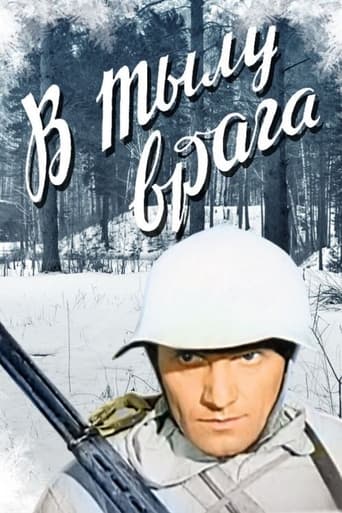
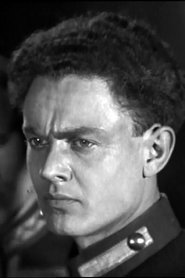
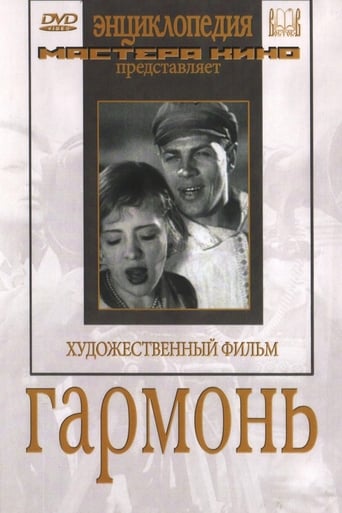
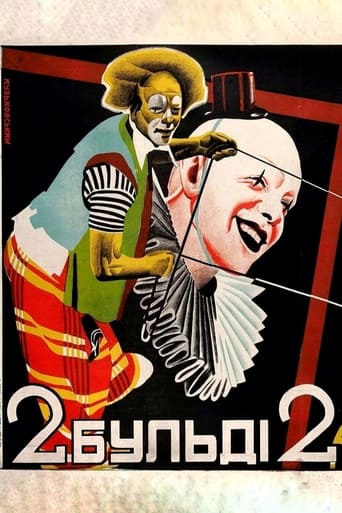
Soviet actor who emerged during the transitional period from silent films to sound cinema in the Soviet Union. Active 1929 to 1941, coinciding with the golden age of Soviet socialist realism cinema. Yarochkin began his film career in the late 1920s, appearing in the notable silent film 'Two-Buldi-Two' (1929), which showcased the experimental and revolutionary spirit of early Soviet cinema. As the industry transitioned to sound, he successfully adapted his craft, continuing to secure roles throughout the 1930s. His performance in 'Accordion' (1934) demonstrated his versatility in the new medium of sound cinema. Yarochkin's career culminated with his appearance in 'В тылу врага' (Behind Enemy Lines, 1941), which was released just as the Soviet Union entered World War II. Like many actors of his generation, his career was likely impacted by the war and the subsequent changes in Soviet cultural policy.
The Craft
On Screen
Based on his filmography during the Soviet cinema's formative years, Yarochkin likely employed the theatrical and expressive style common in early Soviet films, characterized by exaggerated gestures and clear emotional projection suitable for both silent and early sound productions. His performances would have aligned with the principles of socialist realism, emphasizing heroic and positive character portrayals that served Soviet ideological purposes.
Milestones
- Debut in the silent film 'Two-Buldi-Two' (1929)
- Successful transition to sound cinema with 'Accordion' (1934)
- Final film appearance in 'В тылу врага' (1941)
Best Known For
Iconic Roles
Must-See Films
Working Relationships
Studios
Why They Matter
Impact on Culture
Nikolai Yarochkin contributed to the development of Soviet cinema during its crucial transitional period from silent to sound films. His work in films like 'Two-Buldi-Two' represents the experimental and revolutionary spirit of early Soviet cinema, which sought to create a new cinematic language distinct from Western traditions. By participating in films throughout the 1930s, he helped establish the conventions of socialist realism in cinema, which would dominate Soviet film production for decades. His career trajectory mirrors the broader evolution of Soviet film industry from artistic experimentation to state-controlled cultural production.
Lasting Legacy
While Nikolai Yarochkin may not be widely remembered by contemporary audiences, his filmography represents an important chapter in Soviet cinema history. His appearance in 'Two-Buldi-Two' connects him to the innovative period of Soviet silent film, while his later work demonstrates the adaptation of actors to new technologies and changing political requirements. As part of the generation of actors who bridged the silent and sound eras, Yarochkin's legacy lies in his contribution to the establishment of Soviet film as a powerful medium for cultural expression and ideological communication.
Who They Inspired
As a working actor during the formative years of Soviet sound cinema, Yarochkin would have been part of the collective effort to define acting techniques suitable for the new medium and the political requirements of the time. His performances, along with those of his contemporaries, helped establish the stylistic conventions that would influence subsequent generations of Soviet actors, particularly in the portrayal of heroic and idealized characters in socialist realist productions.
Off Screen
Limited information is available about Nikolai Yarochkin's personal life, which was common for many Soviet actors of his era whose biographies were often subsumed by their professional contributions to Soviet cinema.
Did You Know?
- Appeared in films during the critical transition from silent to sound cinema in the Soviet Union
- His film active years covered exactly 12 years from 1929 to 1941
- Worked during the era when socialist realism became the dominant artistic style in Soviet cinema
- His final film 'В тылу врага' was released in the same year the Soviet Union entered World War II
- Participated in both silent and sound films, demonstrating adaptability to new cinematic technologies
- His career coincided with Stalin's consolidation of power and the increasing state control over cultural production
Frequently Asked Questions
Who was Nikolai Yarochkin?
Screen credits include several notable films during the transition from silent to sound cinema in the Soviet Union. He is known for his roles in 'Two-Buldi-Two' (1929), 'Accordion' (1934), and 'В тылу врага' (1941).
What films is Nikolai Yarochkin best known for?
Titles linked here include Two-Buldi-Two (1929), Accordion (1934).
When was Nikolai Yarochkin active in cinema?
Nikolai Yarochkin was active in cinema from 1929 to 1941, a period that encompassed both the end of the silent era and the establishment of sound cinema in the Soviet Union.
What was significant about Yarochkin's career timeline?
Yarochkin's active years covered a crucial period in Soviet cinema history, from the experimental silent film era through the establishment of socialist realism in sound films, ending just as World War II began for the Soviet Union.
How did Nikolai Yarochkin contribute to Soviet cinema?
Yarochkin contributed to Soviet cinema by participating in the transition from silent to sound films and helping establish the acting conventions of socialist realism that would dominate Soviet film production for decades.