No Poster

Frederik Buch
Actor
Born: December 15, 1875 in Copenhagen, Denmark Died: April 13, 1947 Active: 1910-1920 (primary film period)
Films
2 films
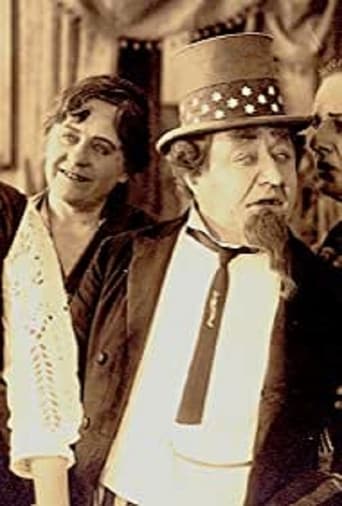
About Frederik Buch
Made his mark during the golden age of Danish silent cinema. Born in Copenhagen in 1875, he began his career as a stage actor, performing in various Copenhagen theaters before transitioning to the burgeoning film industry in the 1910s. His theatrical background provided him with the dramatic skills necessary for silent film acting, where exaggerated expressions and physical performance were essential. Buch appeared in numerous Danish silent films throughout the 1910s, often in supporting or character roles that showcased his versatility as a performer. His film career, while relatively brief compared to some contemporaries, was concentrated primarily during the peak years of Danish silent cinema from 1910 to 1920. He worked with several prominent Danish directors of the era, contributing to what was then one of Europe's most innovative film industries. After the decline of silent cinema and the transition to sound films, Buch largely returned to stage work, though he continued to make occasional film appearances. His career represents the typical trajectory of many European actors who successfully navigated the transition from theater to silent film during this transformative period in cinema history.
The Craft
On Screen
Classical theatrical training translated to silent film with emphasis on expressive facial gestures and physical performance, typical of Danish actors of the period who brought stage techniques to the new medium of cinema
Milestones
- Stage career in Copenhagen theaters before film
- Transition to Danish silent cinema in 1910s
- Appeared in comedy film 'My Sister-in-Law from America' (1917)
- Starred in 'Thief of Hearts' (1917)
- Contributed to Danish Golden Age of silent film
Best Known For
Iconic Roles
Must-See Films
Accolades
Special Recognition
- Recognized contributor to Danish silent cinema era
Working Relationships
Worked Often With
Studios
Why They Matter
Impact on Culture
Frederik Buch contributed to the remarkable flourishing of Danish cinema during the 1910s, when Denmark was one of the world's leading film-producing nations. His work helped establish the foundation for Danish film acting techniques that would influence subsequent generations of performers. As part of the transition from theatrical to cinematic performance, Buch and his contemporaries helped develop a unique Danish approach to silent film acting that balanced theatrical tradition with the new demands of the camera. His films, though largely lost to time like many silent works, represent an important chapter in Scandinavian cinema history and the global development of film as an art form.
Lasting Legacy
Frederik Buch's legacy lies in his contribution to Denmark's golden age of silent cinema, a period when Scandinavian films were internationally acclaimed for their artistic innovation. Though his name may not be widely recognized today, he represents the countless skilled actors who formed the backbone of early European cinema. His career trajectory from stage to film exemplifies the professional adaptation required during cinema's formative years. The preservation of his film work, even in fragments, provides valuable insight into Danish cultural expression during the early 20th century and the development of cinematic acting techniques that would influence film worldwide.
Who They Inspired
Buch influenced subsequent generations of Danish actors through his demonstration of how classical theatrical training could be effectively adapted to the medium of film. His work during the transitional period from stage to cinema helped establish acting conventions that would be refined by later Danish film performers. The techniques he employed in silent film performance, emphasizing clarity of expression and physical storytelling, contributed to the development of a distinctly Danish approach to cinematic acting that would persist even after the advent of sound.
Off Screen
Frederik Buch lived his entire life in Copenhagen, Denmark, maintaining a connection to the city's vibrant theatrical and film community. He was part of the generation of Danish actors who witnessed the birth of cinema and its evolution from a novelty to a respected art form. His personal life remained relatively private, as was common for actors of his era who focused public attention on their professional work rather than private affairs.
Education
Classical theatrical training in Copenhagen, likely through apprenticeship in theater companies typical of the period
Did You Know?
- Part of Copenhagen's vibrant theatrical scene before transitioning to film
- Active during Denmark's golden age of silent cinema (1910s)
- Appeared in at least two films in 1917, suggesting a busy period that year
- Representative of stage actors who successfully adapted to silent film
- His active years covered the crucial transition years when cinema was establishing itself as a legitimate art form
- Worked during a period when Denmark was one of Europe's leading film-producing nations
- Like many silent films of the era, most of his work is likely lost or exists only in fragments
- His film career coincided with World War I, which significantly impacted European film production
- Member of the generation that witnessed cinema's evolution from novelty to serious artistic medium
Frequently Asked Questions
Who was Frederik Buch?
Danish with credits in this catalog. He began as a stage actor in Copenhagen theaters before transitioning to film, appearing in Danish silent productions during what was considered Denmark's golden age of cinema.
What films is Frederik Buch best known for?
Titles linked here include Thief of Hearts (1917), My Sister-in-Law from America (1917).
When was Frederik Buch born and when did he die?
Born December 15, 1875; died April 13, 1947.
What awards did Frederik Buch win?
There are no documented awards or formal recognitions for Frederik Buch, which was common for many actors of the silent era who worked before the establishment of major film awards and industry recognition systems.
What was Frederik Buch's acting style?
Buch's acting style was rooted in classical theatrical training, adapted for silent film with emphasis on expressive facial gestures and physical performance. His approach reflected the typical transition from stage acting techniques to the specific demands of silent cinema.
How did Frederik Buch contribute to Danish cinema?
Buch contributed to Danish cinema during its golden age of silent film in the 1910s, when Denmark was a leading film-producing nation. His work helped establish Danish acting traditions in cinema and represented the successful transition of theatrical performers to the new medium of film.
Why is Frederik Buch not well-known today?
Like many actors from the silent era, Buch's relative obscurity today is due to the loss of many silent films over time and the natural fading of memory for supporting actors. Additionally, his work was primarily in Danish cinema, which had limited international distribution compared to Hollywood productions.