


Thief of Hearts
"A dancer rejects a millionaire who buys every seat in her theater."
Keys: Space play/pause · ←/→ 10s · F fullscreen · M mute · </> speed
About this film
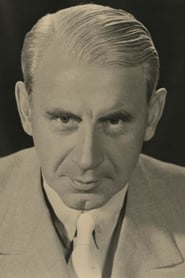
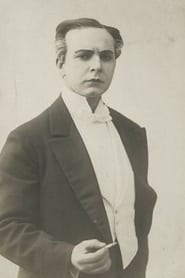
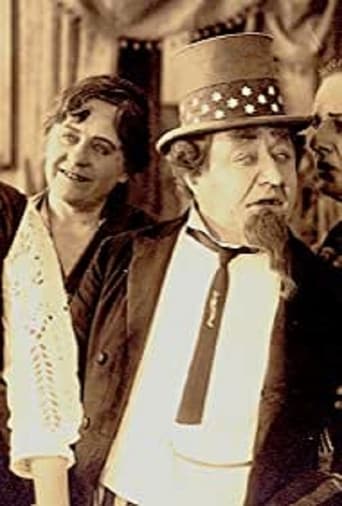
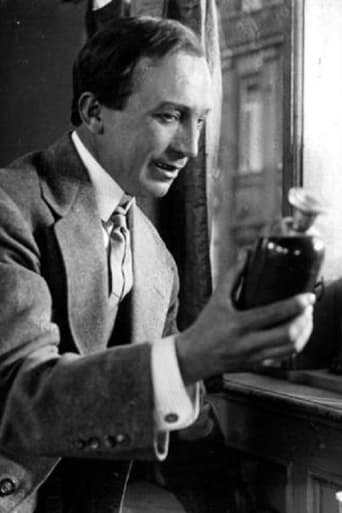
Dancer Elva Marja Elva Marja is hotly pursued by man-of-the-world Henry Corner. He follows her from city to city, buying up all the theatre tickets so that she must perform for him alone, and besieges her house. Elva rejects him time and time again, but Henry’s passion can’t be restrained. One day, Elva is surprised by a burglar in her house. Henry happens to be nearby, so he sees his opportunity to finally win over the dancer’s heart. Stumfilm.dk
Cast & crew
More Drama films
View all →






More from Lau Lauritzen Sr.
View all →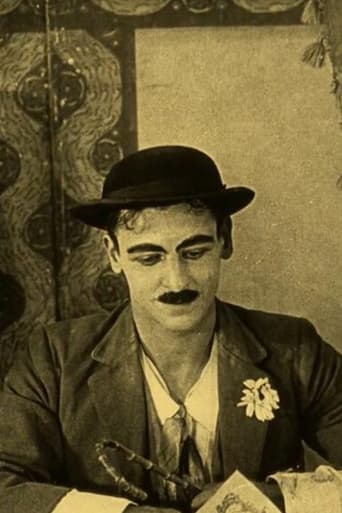
More about this film
About the production
Release dateOctober 15, 1917
ProductionNordisk Film
Filmed inCopenhagen, Denmark
This film was produced during the golden age of Danish cinema when Nordisk Film was one of Europe's leading production companies. The film was shot on location and at Nordisk Film's studios in Valby, Copenhagen. Director Lau Lauritzen Sr. was already establishing himself as a prominent figure in Danish cinema, having started as an actor before moving behind the camera. The production utilized the sophisticated studio facilities that Nordisk Film had developed, which were among the most advanced in Europe at the time.
Themes
Obsessive loveFemale autonomy and independenceThe commodification of art and performanceClass dynamics in romantic relationshipsThe transformation of obsession into genuine love
Themes & topics
Historical background
The 1917 premiere placed Thief of Hearts alongside contemporaneous releases that were collectively teaching viewers how to read cinematic time and space.
Why this film matters
Reference works on 1917 cinema cite Thief of Hearts when tracing genre habits, studio economics, or regional production patterns of the period.
Making of
The production of 'Thief of Hearts' took place during a pivotal period in Danish cinema history when the country's film industry was at its international peak. Director Lau Lauritzen Sr., working for the prestigious Nordisk Film, employed sophisticated filming techniques that were advanced for 1917, including location shooting in Copenhagen and elaborate studio sets for the theatre sequences. The casting of Carl Schenstrøm as the obsessive Henry Corner was particularly significant, as it showcased his dramatic range before he became typecast in comedy roles. The film's production design reflected the opulent world of early 20th century European high society, with detailed attention to period costumes and authentic theatre settings. The burglar scene required careful choreography and timing to create suspense while maintaining the romantic undertones of the story. The production team utilized Nordisk Film's state-of-the-art lighting equipment to create dramatic shadows and highlights that enhanced the film's emotional intensity.
What critics said
Modern retrospectives screen Thief of Hearts for craft context: performances, pacing, and camera choices that illustrate 1917 norms more than revolutionary leaps.
Did you know?
- The original Danish title was 'Hjertetyven,' which literally translates to 'The Heart Thief,' a more poetic title than the English 'Thief of Hearts.'
- Director Lau Lauritzen Sr. would later become one of Denmark's most prolific filmmakers, directing over 100 films throughout his career.
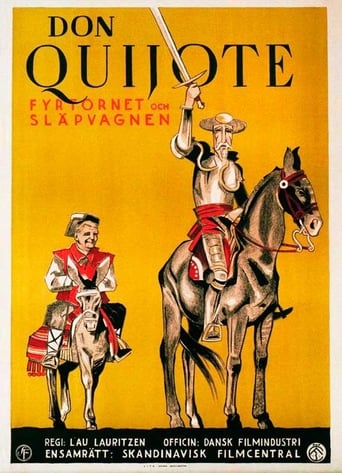
- Carl Schenstrøm, who plays Henry Corner, would later become famous as half of the Danish comedy duo 'Fyrtårnet og Bivognen' (The Lighthouse and the Sidecar).
- The film was released during World War I, a period when Danish cinema was experiencing unprecedented international success due to Denmark's neutrality.
- Nordisk Film, the production company, was founded in 1906 and is still operating today, making it the world's oldest continuously operating film studio.
- The film's theme of obsessive love and pursuit was relatively controversial for its time, pushing boundaries in how romantic relationships were portrayed on screen.
- The theatre sequences in the film were likely inspired by real-life incidents involving wealthy patrons and performers in early 20th century European entertainment circles.
- This film is one of the earliest examples of the 'stalker romance' trope that would become more common in later cinema.
- The burglar subplot was a clever narrative device to humanize the obsessive protagonist and force a resolution to the romantic conflict.
- The film's preservation status makes it a rare example of Lauritzen Sr.'s early directorial work that survives to this day.
Visual style
The cinematography of 'Thief of Hearts' exemplifies the sophisticated visual style that Danish cinema had developed by 1917. The film employs dramatic lighting techniques to enhance emotional scenes, particularly in the sequences where Henry Corner watches Elva perform or waits outside her home. The theatre scenes utilize grand, sweeping shots that capture the scale of the performance venues and the isolation of Elva dancing for an audience of one. Close-up shots are used strategically to highlight the emotional states of the characters, particularly during moments of confrontation and revelation. The camera work during the burglar scene creates tension through careful framing and movement that follows the action while maintaining suspense. The film's visual composition reflects the influence of German Expressionist cinema that was beginning to emerge during this period, with its emphasis on shadow and dramatic angles.
Innovations
While 'Thief of Hearts' does not represent a major technical breakthrough in cinema history, it demonstrates the high level of technical sophistication that Danish cinema had achieved by 1917. The film makes effective use of location shooting combined with studio work, creating a seamless visual narrative. The lighting techniques employed, particularly in the night scenes and interior sequences, show advanced understanding of how light and shadow could be used to create mood and emphasize emotional content. The film's editing demonstrates sophisticated narrative pacing, with smooth transitions between scenes and effective use of cross-cutting to build tension during the climactic burglar sequence. The production design and set construction for the theatre scenes reflect the advanced studio facilities available at Nordisk Film. The film also demonstrates effective use of camera movement and positioning to enhance dramatic moments, particularly in scenes involving pursuit and confrontation.
Music
As a silent film, 'Thief of Hearts' would have been accompanied by live musical performance during its original theatrical run. The typical Danish cinema of 1917 would have employed either a piano player or small orchestra to provide musical accompaniment that enhanced the emotional content of the film. The score would have likely included popular classical pieces of the era, romantic waltzes for the dance sequences, and dramatic, suspenseful music for the confrontation scenes. The theatre performances in the film would have been accompanied by appropriate dance music that reflected the style of early 20th century European performance art. The burglar scene would have featured tense, percussive music to build suspense, while the romantic moments would have been underscored with sweeping, emotional melodies. The original musical cues and score sheets have not survived, but contemporary accounts suggest that Nordisk Film provided detailed musical direction for their theatrical releases.
Famous quotes
As a silent film, the dialogue was conveyed through intertitles. Key intertitles would have included Henry's declarations of devotion and Elva's firm rejections, though the exact text has not been preserved in available records.
Memorable scenes
- The sequence where Henry Corner buys out an entire theatre performance, forcing Elva to dance solely for him, showcasing both his wealth and obsessive nature. The tense burglar scene where Elva is surprised in her home, creating the dramatic climax that allows Henry to transform from pursuer to protector. The various theatre performance scenes that showcase Elva's talent and independence while emphasizing Henry's increasingly desperate attempts to capture her attention.
What audiences thought
The film was well-received by Danish audiences upon its release in October 1917, who appreciated its dramatic storyline and the performances of the popular cast members. Theatre-goers were particularly drawn to the film's exploration of romantic obsession and the glamorous world of professional dance, which resonated with contemporary audiences' fascination with celebrity culture. The movie's success in Denmark contributed to its distribution in other European countries, where it found similar audience appreciation for its emotional storytelling. The chemistry between the lead actors was frequently mentioned in audience reviews and word-of-mouth recommendations. The film's box office performance in Denmark was solid, though exact figures are not available. The burglar scene was particularly noted by audiences as a highlight of the film's dramatic tension and narrative cleverness.
Film connections
Influenced by
- Earlier Danish melodramas by Nordisk Film
- German romantic cinema of the 1910s
- Contemporary literature about obsessive love
- Theatre and performance culture of early 20th century Europe
- Silent era romantic dramas from Hollywood and Europe
This film influenced
- Later Danish romantic dramas of the 1920s
- European films exploring obsessive love themes
- Early Hollywood melodramas featuring similar plot structures
- Films that used the 'burglar as catalyst' plot device
Film restoration
The film is partially preserved with some scenes missing, which is common for films from this era. The Danish Film Institute holds surviving elements of the film, though it is not complete. Restoration efforts have been made to preserve what remains of this important early Danish work.
Where to watch
- The Danish Film Institute archives may hold viewing copies for research purposes
- Occasional screenings at silent film festivals or Danish cinema retrospectives
- Potential availability through specialized film archives or academic institutions
- No current commercial streaming or home video distribution is known to exist