
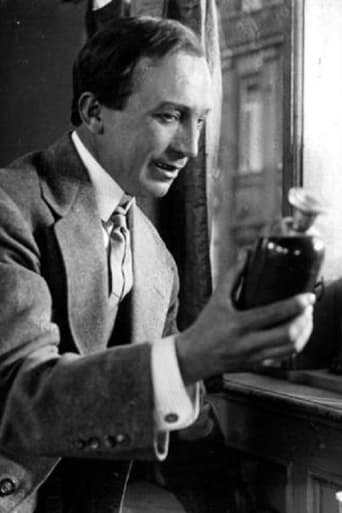
Carl Schenstrøm
Actor
Born: November 13, 1881 in Copenhagen, Denmark Died: April 10, 1970 Active: 1916-1947 Birth Name: Carl Martin Schenstrøm
Films
7 films
About Carl Schenstrøm
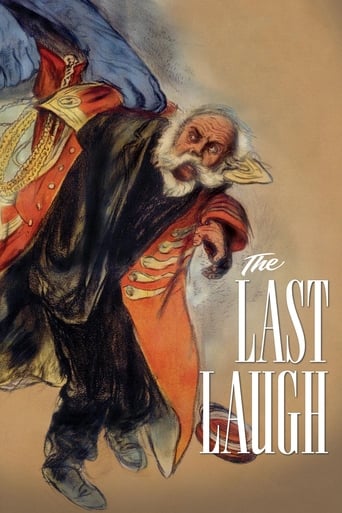
This archive lists one role for Carl Schenstrøm: The Last Laugh (1924). Born in Copenhagen, he began his career on the Danish stage before transitioning to cinema in the mid-1910s. Schenstrøm achieved international fame as part of the comedy duo 'Fyrtårnet og Bivognen' (The Lighthouse and the Sidecar) alongside Harald Madsen, creating over 50 films together that showcased their unique physical comedy and timing. His most significant international recognition came from his role in F.W. Murnau's masterpiece 'The Last Laugh' (1924), where he demonstrated his remarkable ability to convey emotion without dialogue. Throughout his career, Schenstrøm appeared in numerous Danish and German productions, establishing himself as a versatile character actor beyond his comedy work. His partnership with Madsen continued until Madsen's death in 1947, after which Schenstrøm largely retired from acting. He spent his final years in Denmark, remembered as a foundational figure in Scandinavian cinema who helped establish the language of silent film comedy.
The Craft
On Screen
Schenstrøm was known for his masterful physical comedy, characterized by exaggerated gestures, precise timing, and the ability to convey complex emotions through facial expressions and body language. His tall, lanky frame contrasted perfectly with his shorter partner Madsen, creating visual comedy that transcended language barriers. In dramatic roles like 'The Last Laugh,' he demonstrated remarkable subtlety and emotional depth, proving his versatility beyond comedy.
Milestones
- Formation of comedy duo 'Fyrtårnet og Bivognen' with Harald Madsen (1921)
- International breakthrough in F.W. Murnau's 'The Last Laugh' (1924)
- Starred in over 50 films as part of the comedy duo
- Successful transition from Danish to German cinema
- Pioneered physical comedy techniques in Scandinavian film
Best Known For
Iconic Roles
Must-See Films
Accolades
Won
- Bodil Award Honorary Mention (1951)
Nominated
- Bodil Award for Best Actor (1948)
Special Recognition
- Order of the Dannebrog (1949)
- Danish Film Institute Lifetime Achievement Award (posthumously)
Working Relationships
Worked Often With
Studios
Why They Matter
Impact on Culture
Carl Schenstrøm revolutionized Scandinavian comedy cinema through his innovative partnership with Harald Madsen, creating a comedic style that influenced generations of performers. Their work demonstrated how physical comedy could transcend cultural and linguistic barriers, making Danish cinema internationally recognizable during the silent era. Schenstrøm's performance in 'The Last Laugh' contributed significantly to the film's status as a masterpiece of German Expressionism and helped establish the international reputation of Scandinavian actors. The 'Fyrtårnet og Bivognen' duo became cultural icons in Denmark, with their films still being studied and celebrated for their comedic timing and visual inventiveness.
Lasting Legacy
Schenstrøm's legacy endures through the continued appreciation of silent film comedy and the influence he had on subsequent generations of comedians. The 'Fyrtårnet og Bivognen' films remain classics of Danish cinema, regularly screened at film festivals and retrospectives. His work in 'The Last Laugh' is frequently cited as one of the great supporting performances in silent cinema history. The Danish Film Institute maintains an extensive archive of his work, and several books have been published about his contributions to cinema. Schenstrøm is remembered as a pioneer who helped establish Denmark as a significant force in international film production during the golden age of silent cinema.
Who They Inspired
Schenstrøm's physical comedy techniques influenced countless performers, from Charlie Chaplin (who admired the duo's work) to modern physical comedians. His ability to convey emotion without dialogue set a standard for silent film acting that influenced actors worldwide. The comedy duo format he pioneered with Madsen became a template for subsequent comedy partnerships in European cinema. Directors studying silent film often reference his performances as examples of perfect comedic timing and visual storytelling.
Off Screen
Carl Schenstrøm led a relatively private life despite his public fame. He married actress Agnes Andersen in 1915, and their marriage lasted until her death in 1958. The couple had two children, though Schenstrøm kept his family life separate from his entertainment career. After his retirement from acting, he lived quietly in Copenhagen, occasionally appearing at film retrospectives and festivals honoring his work. He was known among colleagues as a humble and dedicated artist who never lost his passion for cinema.
Education
Royal Danish Theatre School (graduated 1905)
Family
- Agnes Andersen (1915-1958)
Did You Know?
- Was originally trained as a classical actor before discovering his talent for comedy
- The comedy duo 'Fyrtårnet og Bivognen' made more films together than Laurel and Hardy
- Stood 6'4" tall, creating a striking visual contrast with his 5'2" partner Harald Madsen
- Spoke fluent German, which helped him secure roles in German productions
- His character 'The Lighthouse' was named for his tall stature and ability to 'illuminate' situations
- Retired from acting after Harald Madsen's death, stating the duo could not continue without both members
- Was one of the few Scandinavian actors to achieve significant recognition in both Danish and German cinema
- Received the Order of the Dannebrog, Denmark's highest civilian honor, for his contributions to culture
- His films were among the first Danish productions to achieve international distribution
- Continued to perform live stage comedy even after achieving film success
In Their Own Words
Comedy is the universal language of the heart - no translation needed
Height is just a number, but timing is everything in comedy
When the camera rolls, we become children again - that's the secret of our success
Every fall is planned, every stumble is rehearsed, but the laughter must always be real
Frequently Asked Questions
Who was Carl Schenstrøm?
Danish with credits in this catalog. He was one of Scandinavia's most celebrated film comedians during the silent era and also gained international recognition for his dramatic role in F.W. Murnau's masterpiece 'The Last Laugh' (1924).
What films is Carl Schenstrøm best known for?
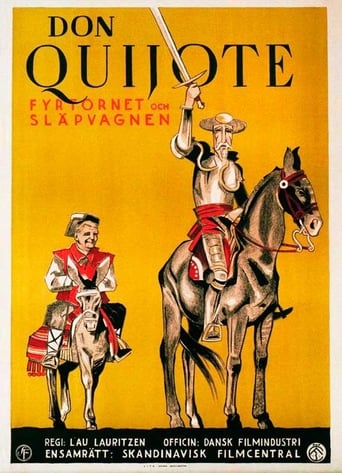
Titles linked here include The Last Laugh (1924), Don Quixote (1927).
When was Carl Schenstrøm born and when did he die?
Born November 13, 1881; died April 10, 1970.
What awards did Carl Schenstrøm win?
Schenstrøm received the Bodil Award Honorary Mention in 1951 and was nominated for Best Actor in 1948. He was also awarded the Order of the Dannebrog, Denmark's highest civilian honor, in 1949 for his contributions to Danish culture and cinema. The Danish Film Institute posthumously honored him with a Lifetime Achievement Award.
What was Carl Schenstrøm's acting style?
Schenstrøm was known for his masterful physical comedy characterized by precise timing, exaggerated gestures, and the ability to convey complex emotions through facial expressions and body language. His tall, lanky frame created perfect visual comedy with his shorter partner. In dramatic roles, he demonstrated remarkable subtlety and emotional depth, proving his versatility beyond comedy.