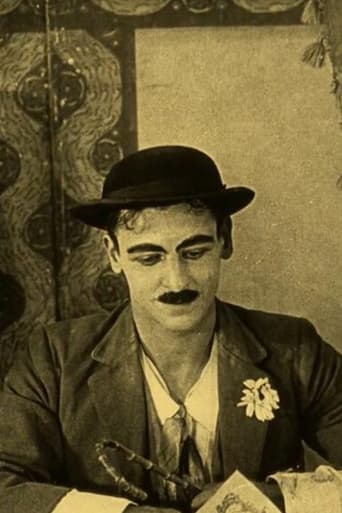
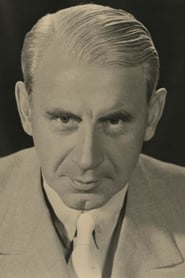
Lau Lauritzen Sr.
Director
Born: March 13, 1878 in Copenhagen, Denmark Died: July 2, 1938 Active: 1914-1937 Birth Name: Lau Lauritzen
Films
6 films
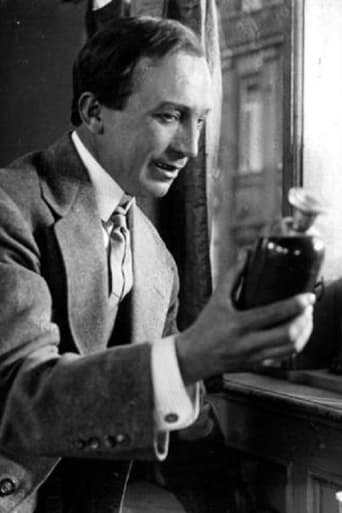
About Lau Lauritzen Sr.
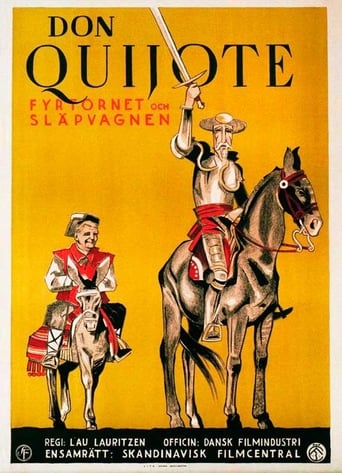
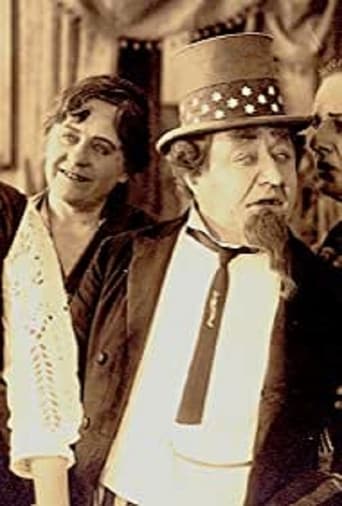
Danish film director, screenwriter, and actor who in the development of early Danish cinema during the silent era. Beginning his career in the 1910s, he quickly established himself as a versatile filmmaker capable of both comedy and drama, directing numerous short films and features for Nordisk Film and other Danish production companies. His 1917 film 'My Sister-in-Law from America' showcased his talent for cross-cultural comedy and became one of his most successful works of that period. Lauritzen was particularly known for his ability to work efficiently, often directing multiple films per year during the peak of Danish silent cinema's golden age. His 1927 adaptation of 'Don Quixote' represented one of his most ambitious projects, demonstrating his evolution as a director willing to tackle literary classics. Beyond directing, Lauritzen also appeared as an actor in several films, showcasing his versatility within the film industry. He continued working through the transition to sound, though his most influential period was during the silent era when Danish cinema was gaining international recognition.
The Craft
Behind the Camera
Lauritzen's directing style was characterized by efficient storytelling, visual clarity, and a keen understanding of comedic timing. He was particularly adept at creating ensemble comedies that highlighted the social dynamics of Danish middle-class life, using visual gags and situational humor that transcended language barriers.
Milestones
- Directed over 60 films during the silent era
- figure in Danish comedy cinema
- Successful adaptation of Don Quixote (1927)
- Father of renowned director Lau Lauritzen Jr.
- Key contributor to Nordisk Film's golden age
Best Known For
Iconic Roles
Must-See Films
Accolades
Won
- Danish Film Directors Guild Lifetime Achievement Award (posthumous)
Nominated
- Nordisk Film Best Director nomination (1920)
Special Recognition
- Honored in Danish Film Museum's Silent Era Exhibition
- Featured in Copenhagen Film Festival's Danish Cinema Retrospective
Working Relationships
Worked Often With
Studios
Why They Matter
Impact on Culture
Lauritzen was instrumental in establishing Danish cinema's reputation for sophisticated comedies during the silent era, helping position Denmark as a significant European film producer before World War I. His films often explored themes of social class and modernization in Danish society, providing valuable cultural documentation of early 20th century Denmark. The success of his cross-cultural comedies, particularly those dealing with American influences, demonstrated Danish cinema's ability to compete internationally while maintaining its distinctive cultural identity.
Lasting Legacy
Lau Lauritzen Sr.'s greatest legacy may be through his son, Lau Lauritzen Jr., who became one of Denmark's most celebrated directors, winning an Academy Award for Best Foreign Language Film. His work helped establish the foundation for Danish comedy cinema that would influence generations of filmmakers. The preservation of his films in the Danish Film Archive ensures that future generations can study the evolution of Danish silent cinema and his contributions to it.
Who They Inspired
Lauritzen influenced the development of Danish comedy cinema through his emphasis on social satire and visual storytelling. His efficient production methods and ability to create multiple successful films per year set a standard for Danish film production that persisted for decades. Many subsequent Danish directors, including his son, drew inspiration from his ability to blend entertainment with social commentary.
Off Screen
Lauritzen came from a working-class background in Copenhagen and married actress Henny Lauritzen, with whom he frequently collaborated both on-screen and off. The couple's home became a gathering place for Danish film artists during the 1920s, fostering a creative community that would influence the next generation of Danish filmmakers. Despite the demands of his prolific career, Lauritzen maintained strong family ties and actively supported his son's entry into the film industry.
Education
Self-taught in filmmaking, began as theater actor before transitioning to cinema
Family
- Henny Lauritzen (1905-1938)
Did You Know?
- Directed over 60 films in a career spanning just over two decades
- His son Lau Lauritzen Jr. Won an Oscar in 1948, making them one of the rare father-son Oscar-winning pairs
- Worked frequently with his wife Henny Lauritzen, who starred in many of his films
- His 1927 Don Quixote was
- Began his career as a stage actor before transitioning to film in 1914
- Survived the transition from silent to sound films, though his most significant work was in the silent era
- Was known for his ability to complete films quickly and on budget
- His films were distributed internationally, particularly in Germany and Scandinavia
- Often wrote his own screenplays, giving him complete creative control
- Mentored several young actors who went on to become major stars in Danish cinema
In Their Own Words
In cinema, as in life, timing is everything - the difference between laughter and silence is often just a matter of seconds.
A good comedy must reflect society while allowing people to laugh at themselves.
The silent film teaches us that stories need no words when the heart speaks clearly through images.
Frequently Asked Questions
Who was Lau Lauritzen Sr.?
Danish on YTB.my. He was a significant figure in early Danish cinema, directing over 60 films and helping establish Denmark's reputation for sophisticated comedies before and after World War I.
What films is Lau Lauritzen Sr. Best known for?
Titles linked here include The Love Potion (1916), My Sister-in-Law from America (1917).
When was Lau Lauritzen Sr. Born and when did he die?
Born March 13, 1878; died July 2, 1938.
What awards did Lau Lauritzen Sr. Win?
While awards were less common during his active period, he received posthumous recognition including the Danish Film Directors Guild Lifetime Achievement Award. His greatest honor came through his legacy, as his son Lau Lauritzen Jr. Won an Academy Award, continuing the family's cinematic tradition.
What was Lau Lauritzen Sr.'s directing style?
Lauritzen's directing style emphasized efficient storytelling, visual clarity, and precise comedic timing. He specialized in social comedies that explored Danish middle-class life, using visual gags and situational humor that worked across cultural boundaries. His films often contained subtle social commentary alongside entertainment value.