
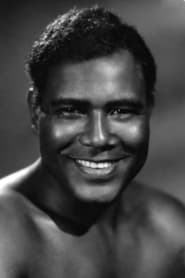
Rex Ingram
Actor
Born: October 20, 1895 in Cairo, Illinois, USA Died: September 19, 1969 Active: 1933-1958
Films
2 films
About Rex Ingram
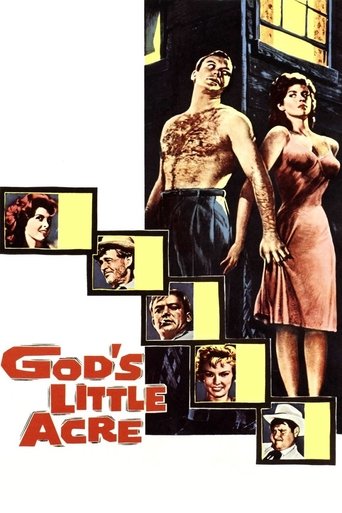
African American actor: commanding presence and deep, resonant voice made him respected black performers of Hollywood's Golden Age. Born in Cairo, Illinois, in 1895, Ingram initially pursued medicine before discovering his passion for acting, studying at Northwestern University. His breakthrough role came as the witch doctor in the controversial 1933 film 'The Emperor Jones,' starring Paul Robeson, where his powerful performance helped establish him as a significant talent in mainstream cinema. Throughout the 1930s and 1940s, Ingram consistently broke racial barriers by portraying dignified, authoritative characters rather than the stereotypical roles often offered to black actors of his era. Rex appears in numerous notable films including 'Cabin in the Sky' (1943), 'A Tale of Two Cities' (1935), and 'The Adventures of Mark Twain' (1944), often bringing gravitas and intelligence to his performances. Later in his career, he delivered a memorable performance in 'God's Little Acre' (1958), demonstrating his enduring appeal and versatility. Beyond his film work, Ingram was also a respected stage actor and served in the U.S. Army during World War II, continuing to act in military productions. His over three decades, during which he paved the way for future generations of African American performers in Hollywood.
The Craft
On Screen
Rex Ingram was known for his commanding screen presence and deep, resonant voice that brought authority and dignity to every role he portrayed. His acting style was characterized by a naturalistic approach combined with classical training, allowing him to convey complex emotions with subtle gestures and vocal modulation. Ingram had a remarkable ability to transform himself into diverse characters while maintaining an underlying sense of nobility and intelligence, challenging the stereotypical roles often available to African American actors of his time. He possessed a unique talent for portraying both spiritual and worldly figures with equal authenticity, whether playing a witch doctor, a judge, or a family patriarch. His performances were marked by a careful balance of intensity and restraint, never resorting to caricature even in potentially limiting roles. Ingram's voice became his signature instrument - a baritone so rich and distinctive that it alone could command attention and respect in any scene. He approached each character with meticulous preparation, often researching the cultural and historical context to bring authenticity to his portrayals.
Milestones
- Breakthrough role in 'The Emperor Jones' (1933)
- Memorable performance in 'Cabin in the Sky' (1943)
- Significant role in 'A Tale of Two Cities' (1935)
- Late career triumph in 'God's Little Acre' (1958)
- Military service and performances during WWII
- Stage career alongside film work
Best Known For
Iconic Roles
Must-See Films
Accolades
Special Recognition
- Pioneer in African American cinema
- Recognized for breaking racial barriers in Hollywood
Working Relationships
Worked Often With
Studios
Why They Matter
Impact on Culture
Rex Ingram played a crucial role in challenging and changing Hollywood's portrayal of African Americans during a period of extreme racial discrimination in the film industry. By consistently accepting and elevating roles that demanded dignity and intelligence, he helped dismantle stereotypes and create space for more authentic representations of black life on screen. His performances in major studio productions during the 1930s and 1940s provided rare positive representations of African Americans at a time when such portrayals were virtually nonexistent in mainstream cinema. Ingram's success in playing authoritative and complex characters helped pave the way for the civil rights movement's impact on Hollywood and the eventual emergence of the Blaxploitation era and beyond. His work demonstrated to studio executives and audiences alike that African American actors could carry significant roles in prestige productions and attract diverse audiences. The respect he commanded within the industry helped open doors for subsequent generations of black performers, though the full impact of his contributions would only be recognized decades after his death.
Lasting Legacy
Rex Ingram's legacy endures as that of a trailblazer who used his exceptional talent and unwavering dignity to challenge Hollywood's racial barriers during its most restrictive era. His body of work represents a crucial chapter in the history of African American cinema, demonstrating how artistry and perseverance could overcome systemic limitations. Film historians now recognize Ingram as one of the first African American actors to consistently portray complex, dignified characters in mainstream Hollywood productions, setting a precedent for future generations. His influence can be seen in the careers of later actors who refused to be limited by stereotypical casting, from Sidney Poitier to Denzel Washington. The preservation and restoration of his films have allowed new audiences to appreciate his remarkable talent and understand the significance of his contributions to American cinema. Ingram's career shows the power of individual excellence in creating social change, proving that artistic merit could transcend the prejudices of his time. His story continues to inspire discussions about representation, diversity, and the ongoing struggle for equality in the entertainment industry.
Who They Inspired
Rex Ingram's influence extended far beyond his own performances, inspiring generations of African American actors who followed in his footsteps. His success in portraying dignified, authoritative characters helped create a template for black performers seeking to break free from limiting stereotypes, influencing actors like Sidney Poitier, who would later become the first African American to win the Academy Award for Best Actor. Ingram's ability to maintain his dignity and artistic integrity while working within the constraints of 1930s and 1940s Hollywood provided a model for navigating systemic discrimination while still achieving artistic success. His distinctive voice and commanding presence influenced how subsequent actors approached vocal performance, particularly in conveying authority and wisdom through speech. Younger performers looked to his career as evidence that African Americans could achieve longevity and respect in Hollywood without compromising their principles. The respect he earned from white directors and producers helped demonstrate the viability of integrated casts and more nuanced storytelling involving black characters. His legacy continues to influence contemporary discussions about representation and diversity in Hollywood, serving as a reminder of both how far the industry has come and how much work remains to be done.
Off Screen
Rex Ingram maintained a relatively private personal life despite his public career. He was known for his intelligence and cultural refinement, often engaging in intellectual pursuits beyond his acting career. Ingram served honorably in the United States Army during World War II, where he continued to perform in military theatrical productions, using his talents to entertain troops and boost morale. He was respected by his peers for his professionalism and dignity both on and off the set, becoming a role model for younger African American actors entering the industry. Throughout his life, Ingram remained committed to advancing opportunities for black performers in Hollywood, though he typically did so through his work rather than public activism. He spent his later years in California, remaining connected to the entertainment industry until his death in 1969 at the age of 73.
Education
Northwestern University (studied medicine before switching to drama)
Did You Know?
- Was originally studying to become a doctor before switching to acting
- His deep voice was considered
- Served in the U.S. Army during World War II and performed for troops
- Often confused with the Irish director Rex Ingram of the same name
- Was one of the first African American actors to play complex, non-stereotypical roles in major studio films
- Appeared in both the 1933 film 'The Emperor Jones' and later stage productions of the same play
- His performance in 'Cabin in the Sky' was particularly praised for its spiritual depth
- Maintained a reputation for being extremely well-read and cultured
- Never received an Academy Award nomination despite his significant contributions to cinema
- His final film appearance came 25 years after his debut in 'The Emperor Jones'
In Their Own Words
I have always tried to bring dignity to every role I play, no matter how small
The color of my skin is not the measure of my talent
Every actor has a responsibility to elevate the craft, regardless of the obstacles
Frequently Asked Questions
Who was Rex Ingram?
African American with credits in this catalog.
What films is Rex Ingram best known for?
Titles linked here include The Emperor Jones (1933), Cabin in the Sky (1943).
When was Rex Ingram born and when did he die?
Born October 20, 1895; died September 19, 1969.
What awards did Rex Ingram win?
Despite his significant contributions to cinema, Rex Ingram did not receive major awards during his lifetime, though he is now recognized as an important pioneer for African American representation in Hollywood.
What was Rex Ingram's acting style?
Rex Ingram was known for his commanding screen presence, deep resonant voice, and naturalistic acting style that brought dignity and intelligence to every role, challenging stereotypes of his era.
How did Rex Ingram impact African American cinema?
Rex Ingram helped break racial barriers by consistently portraying complex, dignified characters in mainstream Hollywood films, paving the way for future generations of African American actors and challenging industry stereotypes.
Did Rex Ingram serve in the military?
Yes, Rex Ingram served in the U.S. Army during World War II, where he continued to perform in military theatrical productions to entertain troops.