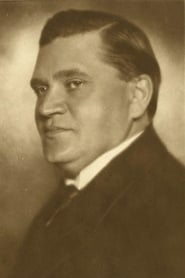
Mikhail Tarkhanov
Actor
Born: June 22, 1877 in Moscow, Russian Empire Died: September 18, 1948 Active: 1905-1948 Birth Name: Mikhail Alexandrovich Tarkhanov
Films
5 films
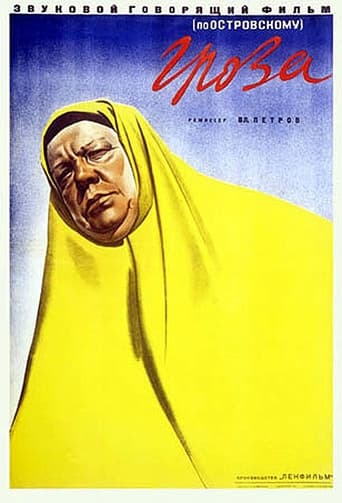
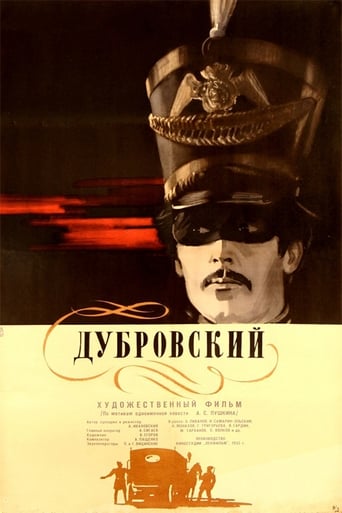
About Mikhail Tarkhanov
Mikhail Alexandrovich Tarkhanov — Russian and Soviet actor whose both the revolutionary theater movement and the early Soviet cinema era. Beginning as a stage actor in the early 1900s, he became associated with the Moscow Art Theatre and was deeply influenced by Konstantin Stanislavski's revolutionary acting system. Tarkhanov successfully transitioned from silent films to talkies, becoming respected character actors of his generation. His film career, though relatively brief in terms of years, produced some of the most memorable performances in early Soviet cinema, particularly in adaptations of classic Russian literature. He was known for his powerful presence and ability to embody complex psychological characters, bringing depth to both historical and contemporary roles. Despite working during the politically challenging Stalinist era, Tarkhanov maintained artistic integrity and continued to work until his death in 1948. His contributions to both stage and screen helped establish the foundation for Soviet acting methodology that would influence generations of performers.
The Craft
On Screen
Tarkhanov excelled in the Stanislavski system, known for his deep psychological approach to character development. His acting style emphasized emotional authenticity and internal truth rather than external showmanship. He possessed a remarkable ability to transform himself completely for each role, using subtle gestures and vocal modulation to create complex, multi-dimensional characters. His performances were marked by their intellectual depth and emotional intensity, particularly in roles requiring psychological complexity.
Milestones
- Joined Moscow Art Theatre in 1913
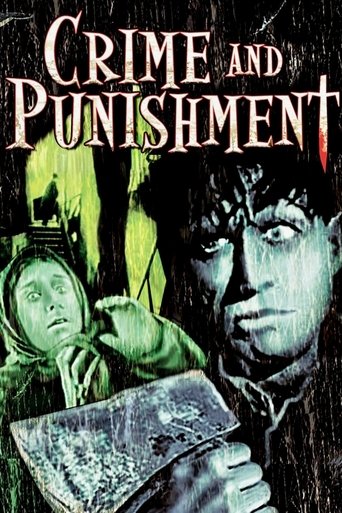
- Breakthrough role in Crime and Punishment (1923)
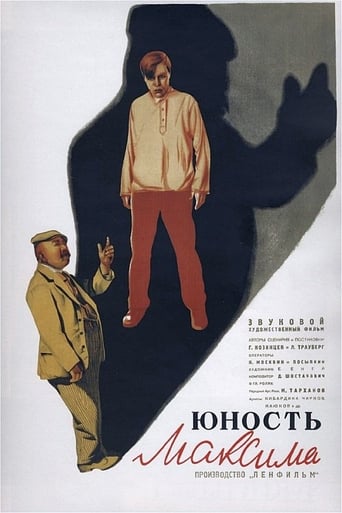
- Starred in The Youth of Maxim (1935)
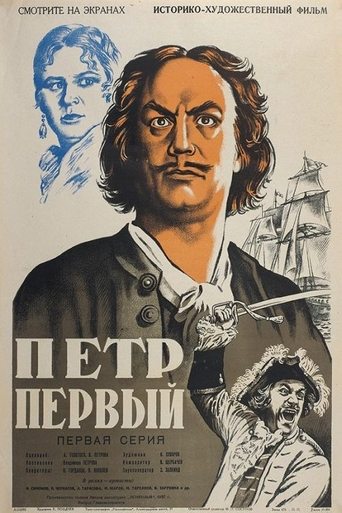
- Portrayed historical figures in Peter the First (1937)
- Received Order of the Red Banner of Labour in 1938
- Named People's Artist of the USSR in 1937
Best Known For
Iconic Roles
Must-See Films
Accolades
Won
- People's Artist of the USSR (1937)
- Order of the Red Banner of Labour (1938)
- Order of Lenin (1947)
- Stalin Prize (1943, posthumously in 1949)
Special Recognition
- Honored Artist of the RSFSR (1933)
- Moscow Art Theatre Lifetime Achievement Award
- Soviet Cinema Pioneer Award
Working Relationships
Worked Often With
Studios
Why They Matter
Impact on Culture
Mikhail Tarkhanov played a crucial role in establishing the foundation of Soviet acting methodology, bridging the gap between pre-revolutionary theatrical traditions and Soviet cinema. His work in adapting classic Russian literature to the screen helped create a cultural bridge between Russia's literary heritage and the new medium of film. Tarkhanov's performances in films like Crime and Punishment and Peter the First became reference points for Soviet actors studying psychological realism. His dedication to the Stanislavski system helped institutionalize this approach across Soviet theater and film schools, influencing generations of performers. During a period when cinema was being used as a tool for political education, Tarkhanov managed to maintain artistic standards while working within the system.
Lasting Legacy
Tarkhanov's legacy endures through his influence on Soviet acting methodology and his iconic performances that continue to be studied by film scholars. He helped establish the tradition of psychological realism in Soviet cinema, which became a hallmark of the national film style. His work in adapting Russian literature to film created templates that would be followed by subsequent generations of filmmakers. The Moscow Art Theatre, where he spent most of his career, continues to honor his contributions as one of its most actors. His performances remain accessible through film archives and are frequently shown in retrospectives of classic Soviet cinema.
Who They Inspired
Tarkhanov's approach to character development and psychological authenticity influenced numerous Soviet actors who followed, including Nikolai Cherkasov and Innokenty Smoktunovsky. His work in historical films set standards for portraying Russian historical figures that influenced subsequent biographical films. His dedication to the Stanislavski system helped popularize these methods across Soviet acting schools. Many of his students at the Moscow Art Theatre went on to become leading figures in Soviet cinema and theater. His performances continue to be studied by acting students as examples of psychological realism in early Soviet cinema.
Off Screen
Mikhail Tarkhanov was known for his dedication to the craft of acting and his commitment to the Moscow Art Theatre, which he considered his artistic home. He lived through the tumultuous period of the Russian Revolution and the establishment of the Soviet Union, adapting his art to the new political realities while maintaining his artistic principles. Tarkhanov was married twice and had children who also became involved in the arts. He was respected by his colleagues for his professionalism and his willingness to mentor younger actors. Despite the political pressures of the Stalin era, he managed to maintain his artistic integrity and continued to work productively until his final years.
Education
Moscow Art Theatre School (graduated 1905), studied under Konstantin Stanislavski and Vladimir Nemirovich-Danchenko
Family
- Ekaterina Tarkhanova (1905-1920)
- Nina Tarkhanova (1921-1948)
Did You Know?
- Was one of the first actors to successfully transition from silent films to talkies in Soviet cinema
- His performance in Crime and Punishment was considered groundbreaking for its psychological depth
- Tarkhanov — close friend and collaborator of Konstantin Stanislavski
- He turned down several Hollywood offers during the 1920s to remain in Russia
- His portrayal of Peter the Great was so convincing that Stalin personally praised it
- Tarkhanov spoke five languages fluently, which helped him work with international directors
- He maintained a detailed diary throughout his career, which has become an important historical document
- Despite his fame, he lived modestly and donated much of his earnings to theater education
- He was one of the few actors who successfully navigated the political purges of the 1930s
- His final film performance was completed just months before his death in 1948
In Their Own Words
The actor must not play the character, he must become the character - this is the essence of our art
In every role, whether in Chekhov or in Soviet drama, we must find the human truth
The stage is our laboratory where we experiment with human souls
To serve art is to serve humanity, for theater is the mirror of society
Even in the most difficult times, the artist must maintain his integrity and speak truth through his art
Frequently Asked Questions
Who was Mikhail Tarkhanov?
Renowned Russian and Soviet with credits in this catalog. He was a prominent figure at the Moscow Art Theatre and became.
What films is Mikhail Tarkhanov best known for?
Titles linked here include Crime and Punishment (1923), Thunderstorm (1934).
When was Mikhail Tarkhanov born and when did he die?
Born June 22, 1877; died September 18, 1948.
What awards did Mikhail Tarkhanov win?
Tarkhanov received numerous honors including being named People's Artist of the USSR in 1937, receiving the Order of the Red Banner of Labour in 1938, the Order of Lenin in 1947, and the Stalin Prize both in 1943 and posthumously in 1949.
What was Mikhail Tarkhanov's acting style?
Tarkhanov excelled in the Stanislavski system, known for his deep psychological approach and emotional authenticity. His acting emphasized internal truth over external showmanship, using subtle techniques to create complex, multi-dimensional characters with remarkable psychological depth.