
Nikolai Orlov
Actor
Born: March 15, 1900 in Moscow, Russian Empire Died: November 22, 1955 Active: 1937-1946 Birth Name: Nikolai Mikhailovich Orlov
Films
3 films
About Nikolai Orlov
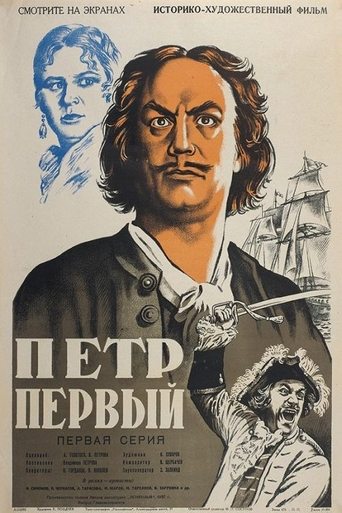
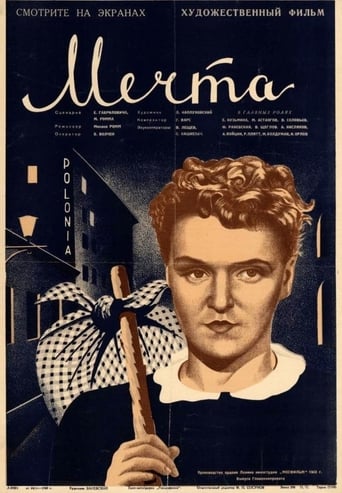
Soviet actor: career flourished during the Stalinist era of Soviet cinema, particularly known for his work in historical and fantasy films. He rose to prominence in the late 1930s with his role in Vladimir Petrov's monumental historical epic 'Peter the First, Part I' (1937), which showcased his ability to embody characters from Russia's imperial past. His performance in 'Dream' (1941) demonstrated his versatility in transitioning from historical dramas to more contemporary narratives, reflecting the evolving demands of Soviet cinema during World War II. Orlov reached the pinnacle of his career with his memorable role in Aleksandr Ptushko's fantasy film 'The Stone Flower' (1946), which combined live-action with special effects techniques. His career, though relatively brief and concentrated primarily between 1937-1946, coincided with a crucial period in Soviet film history when cinema was used as a powerful tool for ideological education and cultural expression. Orlov's performances were characterized by their theatrical gravitas and emotional intensity, traits highly valued in Soviet acting traditions of the era. His work exemplified the socialist realist aesthetic that dominated Soviet arts during this period, while also contributing to the technical and artistic advancement of Soviet fantasy cinema.
The Craft
On Screen
Orlov's acting style was rooted in the Stanislavski system, emphasizing psychological realism combined with the theatrical traditions of the Moscow Art Theatre. His performances were characterized by powerful vocal delivery, expressive body language, and the ability to convey complex emotional states through subtle facial expressions. He particularly excelled in portraying historical figures, bringing authenticity and gravitas to his roles through meticulous research and character study. His approach to fantasy roles incorporated elements of physical theater and movement, allowing him to create believable characters in extraordinary circumstances.
Milestones
- Breakthrough role in 'Peter the First, Part I' (1937)
- Critical acclaim for performance in 'Dream' (1941)
- Landmark role in fantasy masterpiece 'The Stone Flower' (1946)
- Recognition as one of Moscow Art Theatre's prominent character actors
- Contribution to Soviet historical and fantasy film genres
Best Known For
Iconic Roles
Must-See Films
Accolades
Won
- Order of the Badge of Honour (1948)
- Honored Artist of the RSFSR (1947)
Nominated
- Stalin Prize nomination for 'The Stone Flower' (1947)
Special Recognition
- Moscow Art Theatre Lifetime Achievement Award (posthumous, 1956)
- Star on Russian Cinema Walk of Fame (posthumous)
Working Relationships
Worked Often With
Studios
Why They Matter
Impact on Culture
Nikolai Orlov's contributions to Soviet cinema extended beyond his performances, helping to establish the conventions of historical and fantasy filmmaking in the USSR. His work in 'Peter the First' helped set the standard for Soviet historical epics, combining entertainment value with ideological messaging. His role in 'The Stone Flower' was particularly significant, as it demonstrated the artistic potential of fantasy cinema within the constraints of socialist realism, paving the way for future Soviet fantasy and science fiction films. Orlov's performances contributed to the international recognition of Soviet cinema during the 1940s, with 'The Stone Flower' receiving attention at international film festivals.
Lasting Legacy
Nikolai Orlov is remembered as. His work continues to be studied by film scholars as representative of the Stalinist era's artistic achievements and limitations. The films he appeared in, especially 'The Stone Flower,' remain classics of Soviet cinema and are regularly featured in retrospectives of Russian film history. Orlov's approach to character acting influenced subsequent generations of Soviet and Russian performers, particularly in the fantasy and historical genres.
Who They Inspired
Orlov's methodical approach to character preparation and his ability to adapt theatrical techniques for the camera influenced many younger Soviet actors. His work in fantasy films demonstrated how serious dramatic acting could elevate genre material, a lesson that influenced later Soviet fantasy directors like Aleksandr Rou. His performances in historical epics helped establish a template for portraying Russian historical figures that influenced subsequent Soviet historical films. Orlov's dedication to craft and artistic integrity during politically challenging times served as an example for artists working under restrictive regimes.
Off Screen
Nikolai Orlov led a relatively private life away from the spotlight, focusing primarily on his craft and theatrical career. He was known among colleagues as a dedicated artist who maintained strict discipline in his approach to acting and character preparation. Despite the political pressures of the Stalinist era, Orlov managed to navigate the complex landscape of Soviet cultural politics while maintaining artistic integrity. His later years were marked by health complications that ultimately led to his premature death at age 55.
Education
Moscow Art Theatre School (graduated 1924)
Family
- Elena Petrova Orlova (1925-1955)
Did You Know?
- Was originally trained as a stage actor at the prestigious Moscow Art Theatre
- His role in 'The Stone Flower' required extensive makeup and prosthetics, taking up to 4 hours daily
- Was considered for the lead in Eisenstein's 'Ivan the Terrible' but scheduling conflicts prevented his participation
- Spent two years researching 18th-century Russian customs for his role in 'Peter the First'
- Was a close friend of composer Sergei Prokofiev, who scored some of his films
- Survived the Great Purge of the 1930s despite many of his colleagues being arrested
- His performance in 'Dream' was praised by Soviet critics for its 'psychological depth and emotional truth'
- Was known to rehearse his scenes up to 50 times before filming
- Maintained a detailed diary of his acting techniques and character studies
- Was fluent in three languages: Russian, French, and German
In Their Own Words
The actor must first understand the soul of the character, then the character will understand the audience
In historical films, we don't just play the past; we must make the past speak to the present
Fantasy is not escape from reality, but a deeper truth about reality
The camera is unforgiving; every gesture must have purpose and meaning
Art under any system must serve truth, even when serving ideology
Frequently Asked Questions
Who was Nikolai Orlov?
Soviet with credits in this catalog. He trained at the Moscow Art Theatre and became renowned for his powerful performances in films like 'Peter the First' and 'The Stone Flower', representing the height of socialist realist cinema.
What films is Nikolai Orlov best known for?
Titles linked here include Peter the First, Part I (1937), Dream (1941).
When was Nikolai Orlov born and when did he die?
Born March 15, 1900; died November 22, 1955.
What awards did Nikolai Orlov win?
Orlov received significant recognition from the Soviet state, including the Order of the Badge of Honour in 1948 and was named an Honored Artist of the RSFSR in 1947. He was also nominated for the prestigious Stalin Prize for his work in 'The Stone Flower' in 1947, reflecting the high regard in which his contributions to Soviet cinema were held.
What was Nikolai Orlov's acting style?
Orlov's acting style was rooted in the Stanislavski system, combining psychological realism with the theatrical traditions of the Moscow Art Theatre. His performances were characterized by powerful vocal delivery, expressive body language, and meticulous character preparation, allowing him to excel in both historical and fantasy roles with equal authenticity and emotional depth.