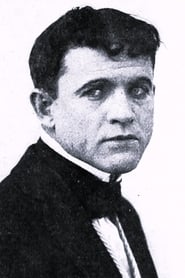
Elmer Booth
Actor
Born: December 9, 1882 in Los Angeles, California, USA Died: June 16, 1915 Active: 1912-1915 Birth Name: William Elmer Booth
Films
6 films
About Elmer Booth
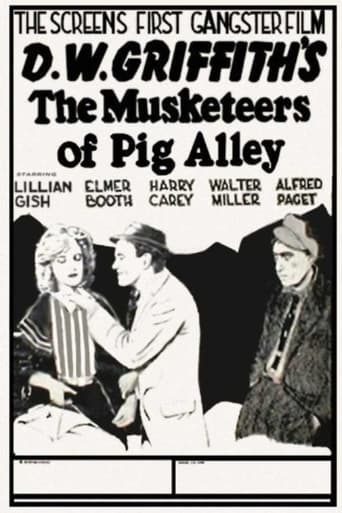
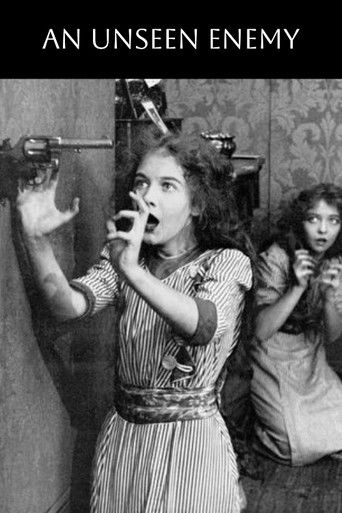
Prominent American actor during the early silent film era, best known for his work with director D.W. Griffith at the Biograph Studio. Born William Elmer Booth in 1882, he began his film career in 1912 and quickly became one of Griffith's most reliable character actors, often playing tough, streetwise characters in the director's urban dramas. Booth's most memorable performance came as the gang leader in Griffith's short film 'The Musketeers of Pig Alley' (1912), considered by many film historians to be the first gangster film. He also appeared in other notable Griffith productions including 'An Unseen Enemy' (1912), which marked the film debut of the Gish sisters, and 'The Narrow Road' (1912). Tragically, Booth's promising career was cut short when he died in a car accident on June 16, 1915, at the age of 32, while driving with fellow actor Mack Sennett. Despite his brief three-year career, Booth on early American cinema through his naturalistic acting style and memorable characterizations.
The Craft
On Screen
Booth was known for his naturalistic and intense acting style, which was ahead of its time in the early silent era. He brought a gritty realism to his characterizations, particularly when playing urban tough guys and gangsters. His performances were marked by a physical intensity and authenticity that stood out in an era when many actors still employed theatrical gestures. Booth had a particular talent for conveying menace and street credibility through subtle facial expressions and body language rather than exaggerated melodramatic techniques.
Milestones
- Breakthrough role in D.W. Griffith's 'The Musketeers of Pig Alley' (1912)
- Regular performer in Biograph Studio productions
- work in early gangster film genre
- Collaboration with legendary director D.W. Griffith
- Appeared in films with early cinema stars like Lillian Gish and Dorothy Gish
Best Known For
Iconic Roles
Must-See Films
Accolades
Special Recognition
- Recognized by film historians as a significant contributor to early American cinema
- Noted for work in the gangster film genre
Working Relationships
Worked Often With
Studios
Why They Matter
Impact on Culture
Elmer Booth's most significant cultural impact came through his performance in 'The Musketeers of Pig Alley,' which is widely regarded by film historians as the first true gangster film in American cinema. His portrayal of the gang leader established archetypes and character types that would influence the gangster genre for decades to come. Booth's naturalistic acting style helped move silent film performance away from theatrical conventions toward more realistic screen acting. His work with D.W. Griffith contributed to the development of narrative film techniques and the establishment of character-driven storytelling in American cinema.
Lasting Legacy
Despite his tragically brief career spanning only three years, Elmer Booth's legacy endures through his contributions to early American cinema and the gangster film genre. His performance in 'The Musketeers of Pig Alley' continues to be studied by film scholars as an early example of realistic character portrayal in American film. Booth represents the generation of actors who helped establish the language of cinema during its formative years. His work shows the talent that emerged during the Biograph era and the significant contributions made by countless actors whose careers were cut short but whose work continues to influence filmmakers today.
Who They Inspired
Booth's naturalistic acting style influenced subsequent generations of film actors, particularly in the portrayal of tough, urban characters. His work in early gangster films helped establish character archetypes that would be refined and expanded upon throughout the history of American cinema. Actors who later became famous for playing gangster roles, from James Cagney to Robert De Niro, unknowingly built upon the foundation laid by performers like Booth in films like 'The Musketeers of Pig Alley.' His collaboration with D.W. Griffith also contributed to the development of acting techniques specifically suited for the camera rather than the stage.
Off Screen
Elmer Booth was married to actress Margaret Joslin, with whom he often appeared in films together. The couple had one child. Booth was known as a hard-working and dedicated actor who quickly became a favorite of D.W. Griffith at Biograph Studios. His life was tragically cut short at age 32 when he died in a car accident while driving with fellow filmmaker Mack Sennett, who was injured but survived the crash.
Education
Limited information available about his formal education
Family
- Margaret Joslin (1912-1915)
Did You Know?
- His real name was William Elmer Booth, but he performed professionally as Elmer Booth
- Died in a car accident with Mack Sennett, who survived but was seriously injured
- Often appeared with his wife Margaret Joslin in films
- was filmed on location in New York City',
- His gangster character in 'The Musketeers of Pig Alley' is considered one of the first screen gangsters
- Worked exclusively with D.W. Griffith at Biograph during his entire film career
- Was only 32 years old when he died, cutting short a promising career
- Appeared in over 30 films during his brief three-year career
- His naturalistic acting style was considered ahead of its time in the early silent era
- Helped establish the Biograph Studio's reputation for quality dramatic productions
In Their Own Words
No documented famous quotes from Elmer Booth due to the silent era and his early death
Frequently Asked Questions
Who was Elmer Booth?
American actor during the early silent film era (1912-1915) best known for his work with on YTB.my.W. Griffith at Biograph Studios. He was particularly noted for his role as a gang leader in 'The Musketeers of Pig Alley' (1912), considered the first gangster film. His career was tragically cut short when he died in a car accident at age 32.
What films is Elmer Booth best known for?
Titles linked here include The Musketeers of Pig Alley (1912), An Unseen Enemy (1912).
When was Elmer Booth born and when did he die?
Born December 9, 1882; died June 16, 1915.
What awards did Elmer Booth win?
Elmer Booth did not receive any formal awards during his lifetime, as he worked during the very early days of American cinema before major award institutions like the Academy Awards were established. However, he is recognized by film historians as a significant contributor to early cinema and the gangster film genre.
What was Elmer Booth's acting style?
Elmer Booth was known for his naturalistic and intense acting style, which was ahead of its time in the early silent era. He brought gritty realism to his characterizations, particularly when playing urban tough guys and gangsters. His performances featured physical intensity and authenticity that stood out when many actors still used theatrical gestures.