
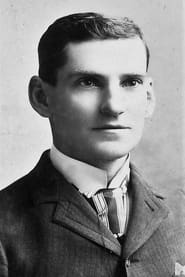
George Berrell
Actor
Born: December 16, 1849 in Philadelphia, Pennsylvania, USA Died: April 20, 1933 Active: 1914-1926
Films
4 films
About George Berrell
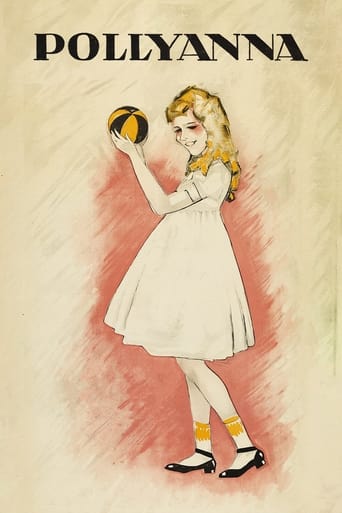
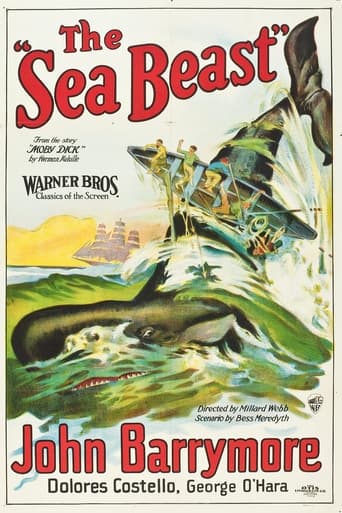
American character actor who successfully transitioned from a lengthy stage career to become a familiar face in silent cinema during the 1910s and 1920s. Born in Philadelphia in 1849, Berrell spent decades performing in theatrical productions before making his film debut in his mid-60s, bringing with him a wealth of acting experience that translated beautifully to the screen. He found particular success working with director John Ford, appearing in several of Ford's early Westerns including the landmark film 'Straight Shooting' (1917), which helped establish Ford's directorial reputation. Berrell's mature appearance and authoritative demeanor made him ideal for playing patriarchs, judges, and other authority figures, and he worked alongside some of the biggest stars of the silent era including Mary Pickford in 'Pollyanna' (1920) and John Barrymore in 'The Sea Beast' (1926). Despite beginning his film career relatively late in life, Berrell appeared in over 60 films between 1914 and 1926, becoming one of Hollywood's most reliable character actors during the silent era. His final years were spent in retirement in Los Angeles, where he passed away in 1933 at the age of 83, leaving behind a legacy of memorable performances that helped define the character actor archetype in early Hollywood.
The Craft
On Screen
Berrell was known for his naturalistic and understated acting style that stood in contrast to the more exaggerated performances common in silent cinema. Drawing from his extensive stage experience, he brought a gravitas and authenticity to his character roles, using subtle facial expressions and controlled body language to convey emotion. His mature presence and dignified bearing made him particularly effective in portraying authority figures and patriarchs, while his ability to convey warmth and wisdom endeared him to audiences.
Milestones
- Stage career spanning decades before entering films
- Breakthrough role in John Ford's 'Straight Shooting' (1917)
- Memorable performance as Mr. Pendleton in 'Pollyanna' (1920)
- Key supporting role in 'The Sea Beast' (1926) opposite John Barrymore
- Appeared in over 60 silent films in just 12 years
Best Known For
Iconic Roles
Must-See Films
Accolades
Special Recognition
- Pioneer of silent cinema character acting
Working Relationships
Worked Often With
Studios
Why They Matter
Impact on Culture
George Berrell represented the important bridge between 19th-century theatrical traditions and the emerging art of cinema, bringing legitimacy and craft to the new medium of film. His successful transition from stage to screen demonstrated the value of classical training in silent film acting, helping to elevate the artistic standards of early Hollywood. As one of the older actors working in silent cinema, Berrell helped establish the character actor as an essential component of film storytelling, paving the way for future generations of supporting players who would bring depth and authenticity to movies.
Lasting Legacy
Berrell's legacy lies in his contribution to establishing the character actor archetype in American cinema, particularly in the Western genre where he frequently appeared. His work with directors like John Ford helped define the visual language of early American cinema, and his performances continue to be studied by film historians interested in the transition from theatrical to cinematic acting styles. Though not a household name like the stars he supported, Berrell's consistent, professional performances provided the foundation upon which many classic silent films were built.
Who They Inspired
Berrell influenced subsequent generations of character actors by demonstrating the importance of subtlety and restraint in film performance, particularly in the silent era where expression had to be conveyed without dialogue. His work ethic and professionalism set standards for supporting players in Hollywood, and his ability to bring depth to relatively small roles showed future actors the value of making every character memorable regardless of screen time.
Off Screen
George Berrell was married to actress Kate Berrell, who also appeared in several silent films. The couple often worked together in theatrical productions before transitioning to films. Berrell was known as a respected veteran in the Hollywood community, admired for his professionalism and dedication to his craft. In his later years, he retired from acting and lived in Los Angeles until his death at age 83.
Education
Limited formal education, trained primarily through theatrical experience and apprenticeships in traveling theater companies
Family
- Kate Berrell
Did You Know?
- Began his film career at age 65, making him one of the oldest actors to debut in silent cinema
- Was a veteran stage actor for over 40 years before appearing in films
- Worked with John Ford during Ford's early directing career before Ford became a legendary filmmaker
- Appeared in Mary Pickford's hugely successful 'Pollyanna' (1920), one of the biggest hits of 1920
- His wife Kate Berrell was also an actress and they sometimes appeared together
- Despite his late start in films, he appeared in more than 60 movies in just 12 years
- Often played characters much older than his actual age due to his appearance
- Was part of the transition from theatrical acting styles to more naturalistic film acting
- Worked with some of the biggest stars of his era including Pickford, Barrymore, and Harry Carey
- His final film appearance was in 1926, after which he retired from acting
In Their Own Words
The stage teaches you what the camera cannot - the importance of every gesture and expression
In silent pictures, your face must speak what your voice cannot
Character actors are the foundation upon which stars build their performances
Frequently Asked Questions
Who was George Berrell?
American character with credits in this catalog. He was a veteran stage actor who successfully transitioned to cinema later in life, appearing in over 60 films and working with legendary stars like Mary Pickford and John Barrymore.
What films is George Berrell best known for?
Titles linked here include Straight Shooting (1917), Pollyanna (1920).
When was George Berrell born and when did he die?
Born December 16, 1849; died April 20, 1933.
What was unique about George Berrell's career?
What made Berrell's career unique was that he began his film career at age 65 after spending over 40 years as a stage actor. Despite starting in films so late in life, he appeared in more than 60 movies in just 12 years, becoming one of silent cinema's most reliable character actors.
What was George Berrell's acting style?
Berrell was known for his naturalistic and understated acting style that contrasted with the exaggerated performances common in silent cinema. Drawing from his stage experience, he used subtle facial expressions and controlled body language, bringing gravitas and authenticity to his character roles.