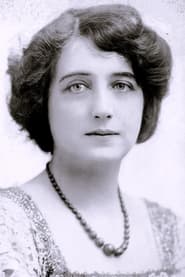
Miriam Nesbitt
Actor
Born: September 14, 1873 in Chicago, Illinois, USA Died: November 11, 1952 Active: 1911-1913 (primary film period), with later appearances through the 1930s Birth Name: Miriam Skinkle
Films
5 films
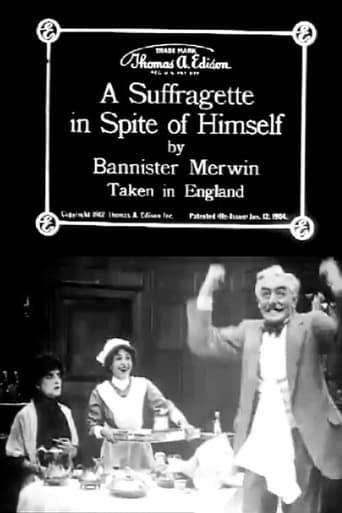
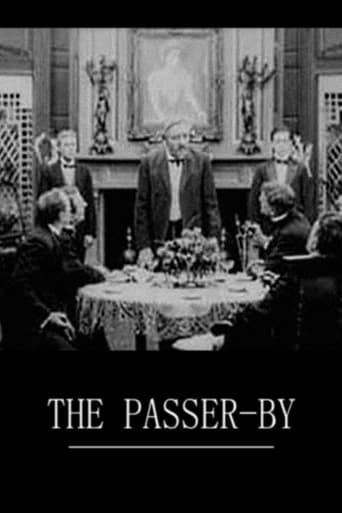
About Miriam Nesbitt
American actress who successfully transitioned from the legitimate stage to silent films during cinema's formative years. Born as Miriam Skinkle, she established herself as a respected Broadway performer before joining the Thanhouser Company, one of America's earliest and most innovative film studios. Her film career, though concentrated primarily between 1911-1913, was significant as she represented the growing legitimacy of cinema as an art form by bringing established theatrical talent to the new medium. Nesbitt was known for her expressive yet controlled acting style that adapted well to the technical limitations of early film cameras. After her brief but impactful film career, she returned to her stage roots and later made occasional appearances in sound films during the 1930s. Her marriage to fellow actor and director James Gordon created one of early cinema's notable creative partnerships. Nesbitt's career exemplifies the transitional period when many accomplished stage actors cautiously embraced the emerging art of motion pictures.
The Craft
On Screen
Nesbitt's acting style blended theatrical expressiveness with emerging film naturalism. Having trained for the stage, she initially employed broader gestures and expressions that could be read clearly by early film audiences. However, she quickly adapted to the intimate nature of film, developing a more subtle and restrained approach that was ahead of its time. Her performances were characterized by emotional authenticity and clear storytelling, making her particularly effective in dramatic roles. Unlike many stage actors of her era who struggled with film's technical demands, Nesbitt mastered the medium's requirements while maintaining the dramatic intensity of her theatrical training.
Milestones
- Successful Broadway career before transitioning to film
- Leading actress at Thanhouser Company during its peak years
- Starred in early feature-length films when shorts were the norm
- One of the first established stage actors to embrace cinema
- Pioneered naturalistic acting style in early silent films
- Returned to stage work after film career
- Made transition to sound films in the 1930s
Best Known For
Iconic Roles
Must-See Films
Accolades
Special Recognition
- Recognized as a Thanhouser Company pioneer
- Preserved in film history archives for early cinema contributions
Working Relationships
Worked Often With
Studios
Why They Matter
Impact on Culture
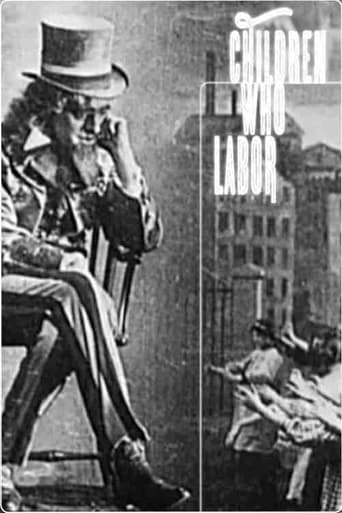
Miriam Nesbitt played a significant role in legitimizing cinema as an art form during its early development. As an established stage actress who embraced film, she helped bridge the cultural gap between legitimate theater and the then-disreputable medium of motion pictures. Her work with the Thanhouser Company contributed to the studio's reputation for producing quality, artistically ambitious films during a period when many productions were crude and exploitative. Nesbitt's performances in social issue films like 'Children Who Labor' demonstrated cinema's potential as a medium for social commentary and reform, helping establish film as a vehicle for serious artistic expression beyond mere entertainment.
Lasting Legacy
Miriam Nesbitt's legacy endures through film preservation efforts that have saved many Thanhouser productions for future generations. She represents an important transitional figure in American entertainment history, embodying the shift from theatrical dominance to the rise of cinema as the primary popular art form. Her performances are studied by film historians as examples of how stage acting techniques evolved into film acting methods. Nesbitt's career illustrates the challenges and opportunities faced by early film pioneers who helped establish the artistic vocabulary of cinema. Though not as widely remembered as some of her contemporaries, her contributions to early American film have been recognized by film historians and preservationists as significant to understanding cinema's development.
Who They Inspired
Nesbitt influenced younger actors at Thanhouser by demonstrating how theatrical training could be adapted for film performance. Her successful transition from stage to screen provided a model for other theater actors considering film work. Her naturalistic acting style, while still rooted in theatrical tradition, pointed toward the more subtle film performances that would become standard in later years. Nesbitt's work in dramatic roles helped establish that serious, emotionally complex performances were possible in the silent medium, influencing subsequent generations of film actors who sought to bring depth and authenticity to their work.
Off Screen
Miriam Nesbitt married fellow actor and director James Gordon in 1905, creating both a personal and professional partnership that lasted until Gordon's death in 1941. Their marriage was notable in early Hollywood circles as both partners were established figures in the entertainment industry. The couple had no children but maintained a close relationship throughout their lives. After Gordon's death, Nesbitt lived a relatively private life, occasionally appearing in films but mostly staying out of the public eye. She spent her final years in New York, remaining connected to the theatrical community that had been her first artistic home.
Education
Limited formal education documented; likely received theatrical training typical of late 19th century stage performers
Family
- James Gordon (1905-1941)
Did You Know?
- One of the first Broadway stars to embrace film as a legitimate medium
- Her real surname was Skinkle, which she changed for her stage career
- Worked at Thanhouser Company during what many consider its golden age
- Her husband James Gordon directed many of her films
- Appeared in over 30 films during her brief but prolific period
- Made a successful return to stage work after her film career ended
- One of the few Thanhouser actors to make the transition to sound films
- Her films are now preserved by major film archives including the Library of Congress
- Participated in early experiments with feature-length filmmaking
- Her performance style was considered unusually natural for the period
In Their Own Words
The stage taught me discipline, but film taught me intimacy
Cinema is not theater's rival, but its child
In silence, the actor's face must speak volumes
We are pioneers in an art form that will outlive us all
Frequently Asked Questions
Who was Miriam Nesbitt?
American actress who transitioned from Broadway to silent films in the early 1910s, becoming a leading lady at the Thanhouser Company and helping legitimize cinema as an art form during its formative years.
What films is Miriam Nesbitt best known for?
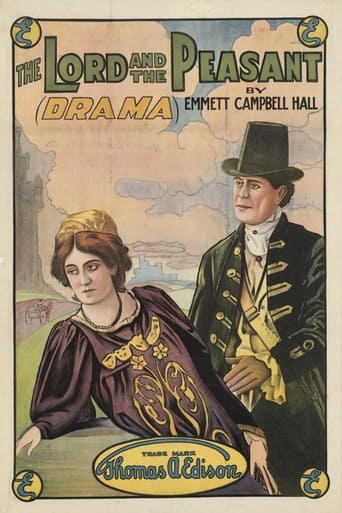
Titles linked here include Children Who Labor (1912), The Lord and the Peasant (1912).
When was Miriam Nesbitt born and when did she die?
Born September 14, 1873; died November 11, 1952.
What awards did Miriam Nesbitt win?
While Miriam Nesbitt did not receive formal awards during her era, she is recognized by film historians as an important pioneer of early cinema and her films have been preserved by major archives for their historical significance.
What was Miriam Nesbitt's acting style?
Nesbitt's acting style blended theatrical expressiveness with emerging film naturalism, adapting her stage training for the intimate medium of film while maintaining emotional authenticity and clear storytelling.