Harry B. Eytinge
Actor
- Active
- 1913-1913
Films 2
About Harry B. Eytinge
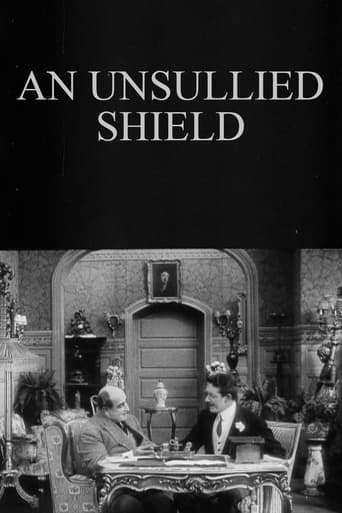
Harry B. Eytinge was a silent-era film actor whose documented screen career is extremely brief and concentrated in 1913. He is credited in two surviving early one-reel productions, "An Unsullied Shield" and "The Haunted Bedroom," both of which place him within the formative years of American motion-picture storytelling. Because he appears in film records from this period but has not remained a widely documented figure in later reference sources, much of his broader life story, including his birth, death, training, and off-screen activities, is not readily recoverable from standard film histories. His surviving credits nonetheless indicate that he worked during the transitional moment when the American film industry was moving from short dramatic subjects toward more standardized narrative filmmaking. Like many actors of the silent era, Eytinge’s legacy is preserved primarily through filmography references rather than extensive biographical writing. His name remains of interest to historians and database researchers because it connects contemporary audiences to the earliest years of screen acting and to the many performers whose contributions helped build the silent cinema industry.
More about Harry B. Eytinge
On screen
No detailed surviving critical description of Harry B. Eytinge’s acting style is readily documented in standard reference sources. Based on the era in which he worked, his performances would have been shaped by silent-film technique, relying on expressive physical gesture, clear facial expression, and readable dramatic staging rather than spoken dialogue. Because only a very small number of credits survive in widely available records, any more specific assessment would be speculative.
In film history
Harry B. Eytinge’s cultural impact is best understood as part of the broader anonymous labor force that built the silent film industry in its earliest years. Although he does not appear to have achieved star status or left behind a large documented body of work, his screen appearances helped populate the early cinematic landscape that audiences of the 1910s were beginning to embrace. Performers like Eytinge were essential to the development of film grammar, ensemble storytelling, and the emerging conventions of screen drama. His contribution is historically significant less because of fame than because it represents the thousands of working actors whose performances formed the foundation of American cinema.
Later reputation
Eytinge’s legacy lies in his presence within the historical record of 1913 silent filmmaking. While no large body of criticism, interviews, or preserved publicity material appears to survive for him, his credited roles ensure that he remains part of film history rather than disappearing entirely into anonymity. For researchers, he is a reminder that early cinema was sustained not only by major stars and directors, but also by many lesser-known players whose names surface only in cast lists and archival filmographies. His continued mention in modern databases helps preserve the memory of silent-era production culture and supports more complete historical reconstructions of early American film.
Influence
There is no evidence that Harry B. Eytinge exerted a documented influence on later actors or directors in the way major silent stars did. However, as a working actor in the early 1910s, he participated in the performance traditions that later screen actors inherited and refined. His influence is therefore indirect and historical: he belongs to the generation whose work helped establish the physical expressiveness and visual clarity that silent performers required. In that sense, he is part of the lineage that informed later screen acting even if he was not individually singled out as a major innovator.
Off screen
No reliable biographical record of Harry B. Eytinge’s personal life, including marriages, children, residence, or family background, was readily identifiable from standard classic-cinema reference material. He appears to be one of many early film performers whose professional traces survive more clearly than their private histories. As a result, his off-screen life remains largely undocumented in publicly accessible sources. This lack of information is common for minor or short-career silent-era players whose careers predated the systematic publicity records of later Hollywood.
Credits
- Appeared in the 1913 silent film "An Unsullied Shield"
- Appeared in the 1913 silent film "The Haunted Bedroom"
- Worked in the earliest phase of American narrative cinema, when film acting was still developing its own screen conventions
Films
- An Unsullied Shield (1913)
- The Haunted Bedroom (1913)
Notes
- Harry B. Eytinge is known from only a very small number of silent-film credits in surviving databases.
- Both of his documented film appearances are from 1913, placing him firmly in the pre-feature era of American cinema.
- His surviving filmography suggests a brief or at least poorly documented screen career.
- He is associated with silent drama and mystery-era filmmaking, based on the titles of his known films.
- No widely cited surviving interviews, publicity stills, or memoir material appear to be readily available for him.
- He is the kind of performer often encountered by film historians through archival cast lists rather than celebrity coverage.
- His record demonstrates how many early film actors have become partially invisible in mainstream histories despite being part of the industry’s growth.
Questions
Who was Harry B. Eytinge?
Harry B. Eytinge was a silent-era film actor known from a very small surviving filmography in 1913. He appears in early American cinema records, but detailed biographical information about his life has not been widely preserved.
What films is Harry B. Eytinge best known for?
He is credited in "An Unsullied Shield" (1913) and "The Haunted Bedroom" (1913). Those are the principal surviving titles associated with his screen career.
When was Harry B. Eytinge born and when did he die?
At present, his birth and death dates are not readily documented in widely accessible classic-cinema reference sources. The surviving record identifies him mainly through his 1913 screen credits.
What awards did Harry B. Eytinge win?
No awards or formal honors are known to be documented for Harry B. Eytinge. This is not unusual for many early silent-era performers whose careers were brief or poorly recorded.
What was Harry B. Eytinge's acting style?
No specific critical description of his style appears to survive. As a silent-era actor, his performances would have depended on expressive body language, facial expression, and visual storytelling typical of films from 1913.
What is Harry B. Eytinge's legacy in film history?
His legacy lies in his contribution to the earliest years of American cinema and in the historical record that preserves his name. Even though he is not a widely known star, his credits help document the many working actors who made silent film possible.