1913 · Approximately 10–15 minutes, likely one reel

Also available on: YouTube Archive.org

The Haunted Bedroom

1913 Approximately 10–15 minutes, likely one reel United States

"null"

Forbidden or delayed loveMoney, greed, and moral dangerFamily obligation and sacrificeGhostly justice and supernatural guardianshipIllness, death, and unfinished duties

Plot

Lizette Rouget is in love with Jean, but their future is blocked by Jean’s father, who demands a 10,000-franc dowry before the marriage can proceed. Desperate to help, Lizette entrusts her savings to her brother Paul, the family’s reckless “black sheep,” after he persuades her that he can increase the money at the gaming table. Paul does win, but his triumph leaves him carrying a sum that makes him a target, and while fleeing those who would rob him, he is forced to take refuge at an inn. There, weakened by stress and suffering from a heart condition, he seals the money in an envelope addressed to Lizette, but dies before he can ensure its safe return. With Lizette now impoverished and Jean long since gone from her life, Paul’s restless spirit haunts the inn’s bedroom, guarding the envelope from any “unworthy hands” that try to claim it.

About the Production

Release Date 1913
Box Office Unknown; early silent-film box-office data for this title has not been documented in surviving sources.
Production Edison Manufacturing Company
Filmed In Likely Edison studio facilities in the United States; specific on-location shooting details are not documented in surviving sources.

This is an Edison short drama-mystery from the early silent era, a period when studio-produced one-reel films were still the dominant commercial format. Surviving documentation on the production is sparse, which is typical for many 1913 releases, and detailed records such as budgets, shooting schedules, and exact locations have not been preserved in readily accessible sources. The film’s premise blends domestic melodrama, gambling, and supernatural haunting, reflecting the popular taste for emotional, morally charged short subjects in the 1910s. Because the film predates the standardized feature-length era, its storytelling would have relied heavily on expressive staging, intertitles, and visual shorthand rather than dialogue.

Historical Background

The Haunted Bedroom was released in 1913, a pivotal moment in world cinema when the medium was rapidly evolving from short subjects to more ambitious narrative forms. In the United States, the Edison Manufacturing Company was one of the key studios still operating within the one-reel format, even as feature-length films were gaining importance and exhibition practices were changing. The film emerged during the final years before World War I, a period marked by growing urbanization, popular interest in spiritualism and supernatural tales, and strong audience appetite for melodrama centered on morality, inheritance, poverty, and redemption. Its story reflects early-twentieth-century concerns with social respectability, marriage as an economic arrangement, and the dangers of gambling and reckless masculinity. As a result, the film is historically useful not only as a piece of entertainment but as a window into the values and narrative conventions that shaped silent-era popular culture.

Why This Film Matters

Although not a widely famous title today, The Haunted Bedroom is culturally significant as an example of the early American ghost-melodrama, a genre that helped establish conventions later used in haunted-house cinema, suspense drama, and supernatural mystery. It demonstrates how silent films could fuse domestic tragedy with gothic atmosphere to create emotionally direct stories that audiences could grasp without spoken dialogue. The picture also reflects the role of the Edison studio in standardizing short-form narrative filmmaking before Hollywood’s feature era fully dominated the market. For historians, films like this are valuable because they show how early cinema mixed moral instruction, romance, and sensation, often within a very small running time. Even in obscurity, it contributes to the larger genealogy of screen haunting and melodramatic family conflict that would recur throughout film history.

Making Of

The Haunted Bedroom belongs to the Edison studio’s early-1910s output, when the company was producing compact narrative films that could be staged efficiently on studio sets with a small cast. Detailed behind-the-scenes records are scarce, so specifics about the director’s working methods, set construction, or rehearsal process are not well documented in surviving public sources. What is clear is that the film was built around a melodramatic premise that would have been legible immediately to contemporary audiences: a thwarted romance, a dangerous gambling windfall, an untimely death, and a supernatural safeguard against theft. The film likely depended on strong visual performance from its principal players, particularly because silent-era one-reel dramas had to establish character relationships and emotional stakes very quickly. Like many Edison productions of the period, it would have been shot with static or only lightly mobile cameras, emphasizing tableau-style composition and clear pantomime over elaborate camera movement.

Visual Style

Specific cinematographer credits and technical camera details are not reliably preserved in accessible sources for this title, but the film almost certainly reflects the Edison studio’s early-1910s visual style. That style generally favored straightforward, legible staging, balanced compositions, and theatrical blocking that kept actors clearly visible for the audience. As a ghost story, the film likely used lighting contrasts, set design, and strategic framing to create atmosphere within the limits of early silent production technology. Because it predates the mature grammar of later horror cinema, any uncanny effects would have been achieved through performance, editing, and suggestive staging rather than elaborate special effects. The haunted-bedroom concept itself suggests a confined, interior visual space that would have allowed the film to build tension through repeated returns to the same room.

Innovations

The film does not appear to be associated with a named technical innovation, but it is representative of early cinematic craftsmanship in the one-reel era. Its main achievement lies in condensing a complex melodramatic and supernatural storyline into a short running time while maintaining clarity and emotional momentum. The haunted-room conceit would have required careful visual organization so that the audience could follow the movement of the envelope and understand the ghost’s protective role. Any technical interest today is largely historical, showing how early filmmakers handled atmosphere, suspense, and moral storytelling before the arrival of sophisticated special effects or sound design. The film is also a useful example of pre-feature narrative economy.

Music

As a 1913 silent film, The Haunted Bedroom had no synchronized recorded soundtrack. It would originally have been accompanied in theaters by live music, often a pianist, organist, or small ensemble depending on venue and budget. The accompanying performance would likely have used stock dramatic cues appropriate to suspense, melancholy, and supernatural revelation. No original cue sheet, published score, or standardized soundtrack is widely documented for this title in surviving public references.

Famous Quotes

No verified surviving dialogue quotes are available; as a silent film, the original wording would have appeared in intertitles rather than spoken dialogue.
The film is remembered more for its plot premise than for any documented quotable lines.

Memorable Scenes

  • Paul, weakened by the strain of being pursued after his gambling success, seals the money in an envelope addressed to Lizette before dying, turning the cash into the emotional and supernatural center of the story.
  • The ghost of Paul haunting the inn’s bedroom and guarding the envelope from thieves is the film’s defining eerie image and the moment that gives the title its meaning.
  • The revelation that Lizette is left destitute after Jean has abandoned her adds a tragic emotional payoff that recasts the ghost’s vigilance as protective rather than merely frightening.

Did You Know?

  • The film was produced by the Edison Manufacturing Company, one of the most important American firms in the transition from early actualities to narrative cinema.
  • It combines multiple popular silent-era genres: melodrama, mystery, and the supernatural ghost story.
  • The plot centers on a money envelope addressed to Lizette Rouget, a detail that gives the story a moral and suspenseful object around which the haunting revolves.
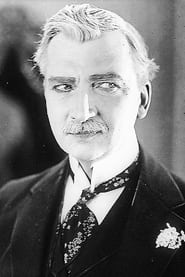
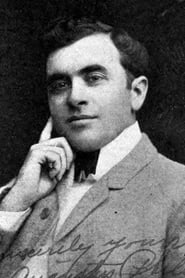
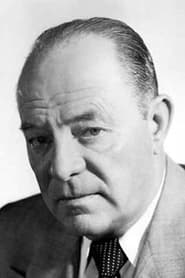
  • Herbert Prior, Mabel Trunnelle, and Augustus Phillips were all regular or recurring performers in early Edison productions.
  • Like many 1913 Edison shorts, it was almost certainly photographed and exhibited as a one-reel release rather than a multi-reel feature.
  • The film is a good example of how early cinema frequently adapted sensational theatrical and literary tropes into compact screen dramas.
  • No full contemporary production papers are widely known to survive, so much of the film’s history has to be reconstructed from catalog references and plot summaries.
  • Its title is sometimes of interest to researchers because it evokes later haunted-house and haunted-room thrillers, but this is an entirely distinct 1913 silent film.
  • The surviving plot information suggests a moralized narrative in which greed, gambling, illness, and death are punished or redeemed through supernatural guardianship.
  • Because it is an Edison-era title, it represents a phase of filmmaking just before the American feature film became dominant and before studios standardized long-form storytelling.

What Critics Said

Contemporary reviews are not widely preserved in accessible modern references for this specific title, so a detailed press consensus cannot be reconstructed with confidence. As an Edison one-reeler, it was likely reviewed within trade and exhibitor contexts as a compact narrative offering rather than as a prestige attraction. Modern critical interest tends to focus less on individual acclaim and more on the film’s historical value as an example of early studio storytelling and genre blending. Where discussed by film historians, such titles are typically assessed for their place in Edison’s output, the performance styles of the cast, and the way they anticipate later supernatural melodramas. In other words, its current reputation is primarily archival and historical rather than based on ongoing popular criticism.

What Audiences Thought

Specific audience-response records are not known to survive for this film, which is common for many short silent-era releases from 1913. It would have been shown to nickelodeon and early motion-picture theater audiences accustomed to quick-turnover programs made up of multiple short films. The plot’s mixture of romance, gambling suspense, and ghostly protection likely made it accessible and entertaining to the period’s broad moviegoing public. Audience appeal at the time would have depended on its emotional immediacy, familiar moral contrasts, and the novelty of a supernatural presence guarding a hidden fortune. Today, audience reception is largely limited to silent-film enthusiasts and researchers who encounter the title through catalogs, databases, or archival listings rather than through widespread screenings.

Film Connections

Influenced By

  • Stage melodrama traditions
  • Gothic ghost stories
  • Popular early-20th-century moral tales
  • Turn-of-the-century domestic drama

This Film Influenced

  • Later haunted-room and haunted-house melodramas
  • Silent-era supernatural suspense films
  • Early screen ghost stories that combine romance with moral retribution

Film Restoration

Survival status is unclear in readily accessible modern references; no widely circulated restored print is commonly noted, and the film is often treated by researchers as a rare early title whose extant preservation record is uncertain. If a copy survives, it is not broadly known in mainstream distribution channels. For database purposes, it should be considered of uncertain preservation status until confirmed by a specific archive catalog or surviving print record.

Themes & Topics