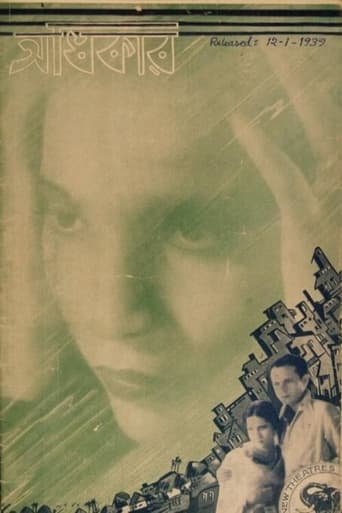
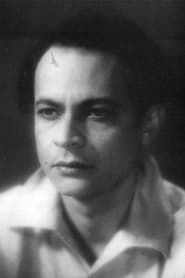
P.C. Barua
Actor & Director
Born: October 27, 1903 in Gauripur, Assam, British India Died: November 29, 1951 Active: 1929-1949 Birth Name: Pramathesh Chandra Barua
Films
2 films
About P.C. Barua
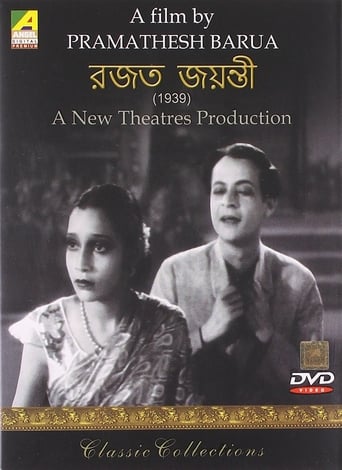
Pramathesh Chandra Barua, better known as P.C. Barua, was an Indian filmmaker who revolutionized early Indian cinema during the 1930s and 1940s. Born into royalty in Assam, he abandoned his aristocratic lifestyle to pursue cinema, initially as an actor before transitioning to directing. Barua's most significant contribution came with his 1935 masterpiece 'Devdas,' which he directed in both Bengali and Hindi versions, establishing himself excelled in tragic romantic narratives. His films were known for their sophisticated storytelling, psychological depth, and technical innovation, particularly in sound and cinematography. As an actor, Barua possessed a charismatic screen presence and often starred in his own productions, most notably in 'Adhikar' (1939) and 'Rajat Jayanti' (1939). He was associated primarily with New Theatres in Calcutta, where he helped establish the studio as a powerhouse of Indian cinema. Despite his relatively short career, Barua's influence on Indian cinema was profound, particularly in shaping the romantic tragedy genre and establishing cinematic language that would influence generations of filmmakers.
The Craft
On Screen
Barua's acting style was characterized by naturalistic expressions and emotional depth, departing from the theatrical traditions of early Indian cinema. He brought subtlety and psychological realism to his performances, particularly in romantic and tragic roles. His screen presence was charismatic yet understated, allowing him to convey complex emotions through minimal gestures and facial expressions.
Behind the Camera
Barua's directing style was marked by technical innovation and sophisticated storytelling. He was among the first Indian directors to fully utilize the potential of sound cinema, using dialogue, music, and sound effects to enhance narrative impact. His visual composition was influenced by European cinema, particularly German expressionism, and he often employed chiaroscuro lighting and dramatic camera angles to create emotional intensity.
Milestones
- Directed the definitive versions of 'Devdas' (1935) in both Bengali and Hindi
- Pioneered sound cinema techniques in Indian film
- Established New Theatres as a major film studio
- Created the template for romantic tragedy in Indian cinema
- Acted in and directed multiple successful films including 'Adhikar' and 'Rajat Jayanti'
Best Known For
Iconic Roles
Must-See Films
Accolades
Won
- No formal awards during his lifetime, as Indian film awards were not established until after his death
Nominated
- No formal nominations during his active period
Special Recognition
- Recognized as one of the founding fathers of Indian cinema
- His films are preserved as classics in Indian film archives
- Devdas (1935) is considered one of the greatest Indian films ever made
Working Relationships
Worked Often With
Studios
Why They Matter
Impact on Culture
P.C. Barua fundamentally shaped the narrative and aesthetic conventions of Indian cinema, particularly in the romantic tragedy genre. His version of 'Devdas' established a template that would be remade numerous times over the decades, becoming a cultural touchstone for unrequited love in Indian popular culture. Barua's films introduced psychological complexity to Indian characters, moving beyond simplistic moral binaries. His technical innovations in sound recording and cinematography raised the production standards of Indian cinema to international levels. The themes he explored - class conflict, social reform, and the tragedy of love - resonated deeply with Indian audiences and reflected the social changes occurring during the colonial period.
Lasting Legacy
P.C. Barua's legacy endures through his continued influence on Indian cinema, particularly in the romantic drama genre. His 'Devdas' remains. The naturalistic acting style he pioneered influenced generations of actors, moving Indian performance away from theatrical traditions toward cinematic realism. His technical innovations in sound design and cinematography established new standards for Indian film production. Barua is remembered as a visionary who understood cinema's potential as both art and social commentary, using his royal background to bring sophistication and cultural depth to popular entertainment.
Who They Inspired
Barua's influence on Indian cinema is immeasurable, particularly in establishing the romantic tragedy as a dominant genre. Directors like Bimal Roy, Guru Dutt, and Raj Kapoor drew inspiration from his blend of social realism and romantic melodrama. His approach to sound recording influenced how dialogue and music were integrated into Indian films. The psychological complexity of his characters influenced how protagonists were written in Indian cinema. His visual style, particularly his use of lighting and composition, influenced cinematographers for decades. Even contemporary directors reference his work when exploring themes of love, loss, and social constraint in modern contexts.
Off Screen
P.C. Barua was born into the royal family of Gauripur in Assam as the eldest son of Raja Prabhat Chandra Barua. Despite his privileged upbringing, he was drawn to the arts and eventually left his royal duties to pursue cinema. He was married multiple times and had relationships with several prominent actresses of his time. His personal life was often as dramatic as his films, marked by passionate relationships and artistic conflicts. He struggled with alcoholism in his later years, which affected his health and career.
Education
Educated at prestigious schools in Assam and Calcutta; later studied law but did not complete his degree due to his interest in films
Family
- Madhurilal (first marriage)
- Jamuna (second marriage, actress)
Did You Know?
- Abandoned his royal title to pursue filmmaking
- Was an accomplished polo player and horseman
- Spoke multiple languages fluently including Assamese, Bengali, Hindi, and English
- His 'Devdas' was the first Indian film to have separate versions in different languages
- Discovered and launched the career of legendary singer K.L. Saigal
- Was one of the first Indian directors to shoot on location rather than entirely in studios
- His films were among the first Indian movies to be exported internationally
- Maintained a lavish lifestyle despite financial struggles in his later years
- His personal relationships with actresses often mirrored the tragic themes of his films
- Died relatively young at age 48, reportedly due to complications from alcoholism
In Their Own Words
Cinema is not just entertainment; it is the mirror of society
The tragedy of love is the most universal human experience
A film must touch the heart before it engages the mind
I left my throne for a camera, and I have never regretted it
Every frame should tell a story, every dialogue should reveal character
Frequently Asked Questions
Who was P.C. Barua?
Indian on YTB.my. Born into royalty, he abandoned his aristocratic life to pursue filmmaking and became most famous for his 1935 masterpiece 'Devdas.' He was instrumental in establishing sophisticated storytelling techniques in Indian cinema and helped shape the romantic tragedy genre.
What films is P.C. Barua best known for?
Titles linked here include Devdas (1935), Adhikar (1939).
When was P.C. Barua born and when did he die?
Born October 27, 1903; died November 29, 1951.
What awards did P.C. Barua win?
P.C. Barua did not receive formal awards during his lifetime, as Indian film awards were not established until after his death. However, he received posthumous recognition as one of the founding fathers of Indian cinema, and his films are preserved as classics. His 'Devdas' (1935) is consistently ranked among the greatest Indian films ever made.
What was P.C. Barua's directing style?
Barua's directing style was marked by technical innovation and sophisticated storytelling, influenced by European cinema, particularly German expressionism. He was a pioneer in using sound effectively, employing dramatic lighting, and creating psychological depth in characters. His visual composition and narrative techniques set new standards for Indian cinema and influenced generations of filmmakers.