Films
2 films
About Sailen Choudhury
Actor in the early era of Bengali cinema during the late 1930s, a pivotal period when Indian talkies were establishing their artistic identity. His brief but notable film career included appearances in two significant Bengali productions from 1939, working during the golden age of early Indian cinema when regional film industries were flourishing. Choudhury was part of the generation of actors who transitioned from theatrical traditions to the new medium of sound cinema, bringing classical performance techniques to the screen. His work in films like 'Adhikar' and 'Rajat Jayanti' placed him among the actors who helped shape Bengali cinema's distinctive style and narrative approach. Though his filmography was limited to these two known appearances, his contributions came during a formative period when Indian cinema was developing its unique cinematic language and cultural identity.
The Craft
On Screen
Likely incorporated theatrical traditions common in early Indian cinema, with emphasis on dramatic expression and clear enunciation characteristic of the transition from stage to screen during the early sound era
Milestones
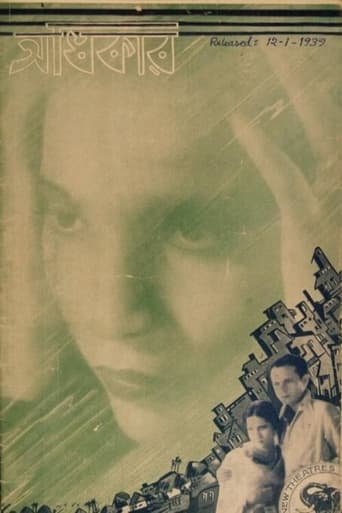
- Appeared in 'Adhikar' (1939) directed by Debaki Bose
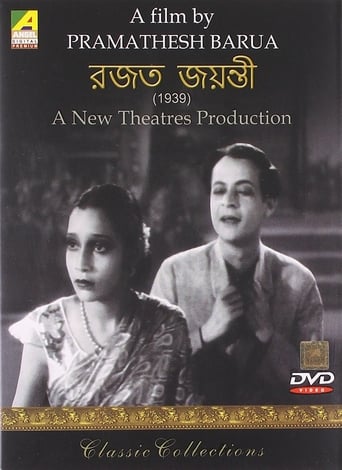
- Acted in 'Rajat Jayanti' (1939)
- Participated in early Bengali talkie cinema during its formative years
Best Known For
Must-See Films
Working Relationships
Worked Often With
Studios
Why They Matter
Impact on Culture
Sailen Choudhury contributed to the early development of Bengali cinema during a crucial period when regional film industries were establishing their unique identities separate from mainstream Bombay productions. His participation in films like 'Adhikar' and 'Rajat Jayanti' placed him within the movement that elevated Bengali cinema to artistic prominence, setting standards for narrative complexity and social commentary that would influence later generations of Indian filmmakers. The early actors of this era, including Choudhury, helped bridge the gap between traditional theatrical performance and the emerging language of cinema, contributing to the development of acting styles that would become characteristic of Indian film performance.
Lasting Legacy
While specific details about Sailen Choudhury's individual legacy are limited, his work represents the contributions of countless supporting actors who formed the backbone of early Indian cinema. These performers, though often undocumented in detail, were essential to the success of films that would become classics of regional cinema. The preservation of his filmography through two notable 1939 productions ensures his place in the historical record of Bengali cinema's golden era, serving as a reminder of the collaborative nature of film production and the importance of ensemble casting in creating memorable cinematic works.
Who They Inspired
As an actor from the foundational period of Bengali cinema, Sailen Choudhury was part of the generation that established performance traditions and working methodologies that would influence subsequent actors in Indian cinema. The techniques and approaches developed during this era, in which he participated, continued to resonate through the work of later Bengali film actors who built upon the foundations laid by pioneers of the 1930s.
Off Screen
Personal details about Sailen Choudhury are not well-documented in historical records, which was common for many character actors and supporting performers of early Indian cinema whose contributions were often overshadowed by lead actors and directors.
Did You Know?
- Appeared in two films in 1939, making it his only known active year in cinema
- Worked during the early period of Bengali talkies when the industry was establishing its artistic identity
- Both of his known films were produced during a significant year for Indian cinema when regional industries were flourishing
- His film 'Adhikar' was directed by Debaki Bose, one of the pioneers of Indian cinema
- Participated in cinema during the pre-independence era when films often addressed social and political themes
- The lack of extensive documentation about his career is typical of many supporting actors from early Indian cinema
- His work coincided with the transition from silent films to talkies in Indian cinema
- Both films he appeared in were Bengali productions, highlighting the importance of regional cinema in early Indian film history
Frequently Asked Questions
Who was Sailen Choudhury?
Indian with credits in this catalog.
What films is Sailen Choudhury best known for?
Titles linked here include Adhikar (1939), Rajat Jayanti (1939).
When was Sailen Choudhury active in cinema?
Based on available records, Sailen Choudhury was active in cinema in 1939, with both of his known films released in that same year.
What was the significance of the films Sailen Choudhury appeared in?
His films were part of the important early period of Bengali cinema, with 'Adhikar' being directed by filmmaker Debaki Bose, representing the artistic development of regional Indian cinema.
Why is there limited information about Sailen Choudhury?
Limited documentation is common for supporting actors from early Indian cinema, as historical records often focused on lead actors and directors, with many ensemble performers' details being lost to time.