Films
3 films
About Mikhail Dagmarov
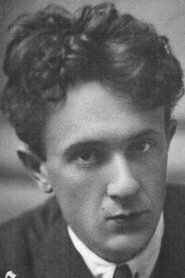
Soviet actor active during the mid-to-late 1930s, appearing in several notable films of that era. His career, though brief, coincided with a significant period in Soviet cinema when the film industry was establishing itself as a powerful medium for artistic expression and cultural messaging. Dagmarov worked primarily in what appears to be character or supporting roles, collaborating with prominent Soviet directors of the time. His filmography, spanning from 1935 to 1939, includes collaborations with renowned filmmaker Aleksandr Ptushko, who was new techniques in Soviet cinema including stop-motion animation and fantasy elements. Unfortunately, detailed records about Dagmarov's early life, training, and career trajectory are limited in available historical documentation, which was not uncommon for character actors of this period in Soviet cinema.
The Craft
Milestones
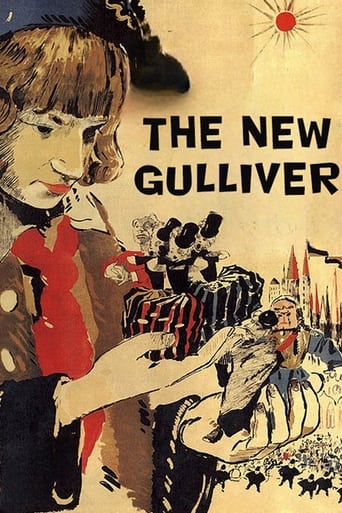
- Appeared in 'The New Gulliver' (1935), one of the first Soviet feature-length stop-motion animated films
- Worked with director Aleksandr Ptushko on multiple projects
- Participated in the golden age of Soviet fantasy cinema
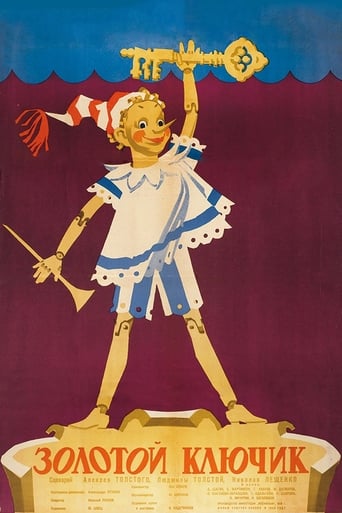
- Appeared in 'The Golden Key' (1939), Ptushko's acclaimed fantasy film
Best Known For
Must-See Films
Working Relationships
Worked Often With
Studios
Why They Matter
Impact on Culture
Mikhail Dagmarov contributed to the development of Soviet fantasy cinema during a crucial period when directors like Aleksandr Ptushko were pushing the boundaries of what was possible in film. His appearances in 'The New Gulliver' and 'The Golden Key' placed him within important works that would influence generations of Soviet and Russian filmmakers. These films represented some of the earliest successful attempts at combining live-action with special effects and animation techniques in Soviet cinema, helping establish a tradition of fantasy filmmaking that would continue throughout the 20th century.
Lasting Legacy
While Mikhail Dagmarov may not be widely remembered today, his participation in landmark Soviet fantasy films ensures his place in cinema history. The films he appeared in, particularly 'The New Gulliver' and 'The Golden Key,' are studied by film historians as important examples of early Soviet special effects and fantasy cinema. His work represents the contribution of countless character actors who helped bring these groundbreaking films to life, even if their individual names have faded from popular memory.
Who They Inspired
As a character actor in influential Soviet fantasy films, Dagmarov's work would have been seen by audiences and aspiring actors during a formative period in Soviet cinema. The films he participated in helped establish conventions and techniques that would influence Soviet and Russian fantasy filmmaking for decades to come.
Off Screen
Very little information is available about Mikhail Dagmarov's personal life, which was not uncommon for Soviet character actors of the 1930s whose detailed biographical information was often not preserved in historical records.
Did You Know?
- Appeared in three films directed by Aleksandr Ptushko, a pioneer of Soviet fantasy cinema
- His entire known filmography spans just four years (1935-1939)
- Worked during Stalin's era of Soviet cinema, when the film industry was heavily state-controlled
- Participated in 'The New Gulliver,' which was one of the first full-length stop-motion animated films in the world
- His career appears to have ended around the time of World War II, which disrupted many film careers in the Soviet Union
Frequently Asked Questions
Who was Mikhail Dagmarov?
Soviet with credits in this catalog. He worked primarily with director Aleksandr Ptushko during what is considered a golden age of Soviet fantasy cinema.
What films is Mikhail Dagmarov best known for?
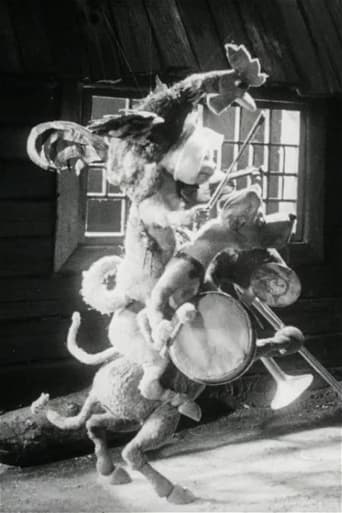
Titles linked here include The New Gulliver (1935), The Merry Musicians (1938).
When was Mikhail Dagmarov born and when did he die?
Specific birth and death dates for Mikhail Dagmarov are not available in historical records, which is not uncommon for character actors from this period of Soviet cinema. His known active years covered from 1935 to 1939.
What awards did Mikhail Dagmarov win?
There are no records of Mikhail Dagmarov receiving major awards or nominations for his acting work. This was typical for many character actors of the 1930s Soviet film industry, where individual recognition was often limited to the most prominent stars.
What was Mikhail Dagmarov's acting style?
Specific details about Mikhail Dagmarov's acting style are not documented in available historical sources. Based on his filmography, he likely appeared in character or supporting roles within the fantasy and adventure genres that were popular in Soviet cinema during his active period.