Vladimir Belokurov
Actor
Born: June 22, 1904 in Moscow, Russian Empire Died: January 28, 1973 Active: 1932-1968 Birth Name: Vladimir Vasilievich Belokurov
Films
4 films
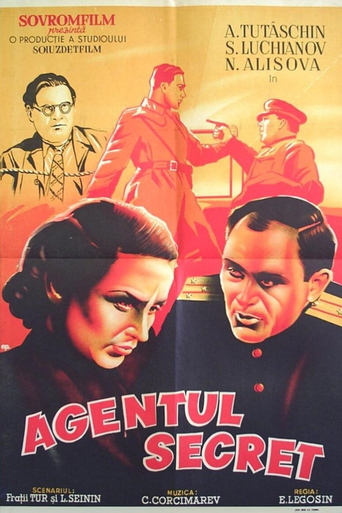
About Vladimir Belokurov
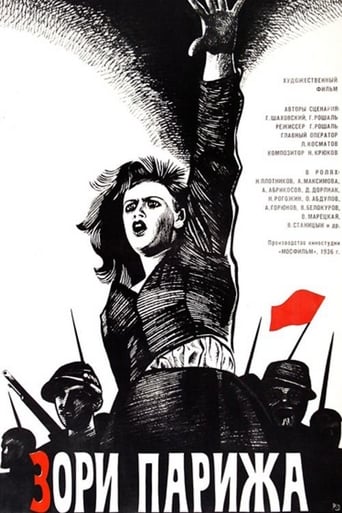
Soviet actor: nearly four decades, from the early 1930s through the 1960s. After graduating from the prestigious Moscow Art Theatre School, he quickly established himself as reliable character actors in Soviet cinema, particularly excelling in historical and revolutionary roles that were favored by the state film industry. His breakthrough performance came in 'The Paris Commune' (1936), where he demonstrated his remarkable ability to embody complex historical figures with both gravitas and emotional depth. Throughout the Stalin era and beyond, Belokurov became a familiar face to Soviet audiences, appearing in over 50 films that ranged from war dramas to literary adaptations. His performances were characterized by a naturalistic approach that stood in contrast to some of the more stylized acting common in early Soviet cinema. In addition to his film work, he was also an accomplished stage actor and later became a respected teacher at the Russian Academy of Theatre Arts, mentoring generations of Soviet performers. His contributions to Soviet cinema were officially recognized when he was named a People's Artist of the USSR, the highest honor that could be bestowed upon an artist in the Soviet Union.
The Craft
On Screen
Belokurov was known for his naturalistic acting style that emphasized psychological depth and emotional authenticity. Unlike many of his contemporaries who employed more theatrical techniques for the camera, Belokurov brought a subtle, understated approach to his performances, particularly in his portrayals of historical figures. His technique involved extensive character research and a method-like preparation that allowed him to inhabit his roles with remarkable credibility. He was particularly adept at conveying complex internal conflicts through minimal gestures and facial expressions, making his characters feel both historically authentic and emotionally accessible to audiences.
Milestones
- Graduated from Moscow Art Theatre School
- Breakthrough role in 'The Paris Commune' (1936)
- Named People's Artist of the USSR (1965)
- Taught at Russian Academy of Theatre Arts
- Appeared in over 50 films
- Known for historical and revolutionary character portrayals
Best Known For
Iconic Roles
Must-See Films
Accolades
Won
- People's Artist of the USSR (1965)
- Order of the Red Banner of Labour
- Stalin Prize (1949)
Special Recognition
- Honored Artist of the RSFSR (1947)
- People's Artist of the RSFSR (1954)
Working Relationships
Worked Often With
Studios
Why They Matter
Impact on Culture
Vladimir Belokurov played a significant role in shaping Soviet cinema's approach to historical storytelling and character development. His naturalistic acting style helped move Soviet film away from the more theatrical performances of the silent era toward a more psychologically nuanced form of cinematic expression. His portrayals of revolutionary heroes and historical figures helped define the Soviet historical epic genre, influencing how subsequent generations of actors approached similar roles. As a teacher, he passed on his techniques to numerous students who would become prominent figures in Soviet and Russian theater and cinema, extending his influence far beyond his own performances.
Lasting Legacy
Belokurov's legacy endures through both his extensive filmography and the generations of actors he influenced through his teaching. His performances in films like 'The Paris Commune' continue to be studied as examples of how to bring historical authenticity to screen performances without sacrificing emotional truth. The naturalistic approach he championed helped pave the way for the more psychologically complex Soviet cinema of the 1960s and 1970s. His former students have often cited his emphasis on psychological realism and character research as foundational to their own artistic development, ensuring that his influence continues to be felt in Russian theater and cinema to this day.
Who They Inspired
Belokurov influenced Soviet cinema by demonstrating how historical characters could be portrayed with both ideological correctness and psychological complexity. His method-like approach to character preparation inspired younger Soviet actors to delve deeper into their roles rather than relying on external techniques. As an instructor at the Russian Academy of Theatre Arts, he directly influenced the training methods used for Soviet actors, emphasizing the importance of understanding a character's motivations and internal conflicts. His success in both historical and contemporary roles showed the versatility possible within the constraints of the Soviet film system, encouraging other actors to seek similar range in their careers.
Off Screen
Vladimir Belokurov led a relatively private life outside of his public persona as a respected Soviet actor. He was married twice and had children who also pursued careers in the arts. Despite his status as one of the Soviet Union's most prominent character actors, he maintained a humble demeanor and was known among colleagues for his dedication to the craft of acting and his willingness to mentor younger performers. His later years were marked by his transition into teaching, where he was regarded as a demanding but inspiring instructor who emphasized the importance of psychological realism in performance.
Education
Moscow Art Theatre School (graduated 1929)
Family
- First spouse (1925-1940)
- Second spouse (1941-1973)
Did You Know?
- Was one of the few Soviet actors allowed to portray controversial historical figures during the Stalin era
- Spent years researching each historical role, often spending more time in libraries than on set
- His performance in 'The Fall of Berlin' was reportedly praised by Stalin himself
- Survived the purges of the 1930s despite working with several directors who were arrested
- Was known for his photographic memory and could recite entire scripts after a single reading
- Refused to join the Communist Party until late in his career, which was unusual for someone of his stature
- His final film appearance was in 1968, five years before his death
- Maintained a detailed diary throughout his career that has become a valuable resource for film historians
- Was fluent in three languages, which helped him secure roles in international co-productions
- Turned down several offers to work in Hollywood, preferring to remain in the Soviet Union
In Their Own Words
The actor must become the character, not just play the character - this is the difference between craft and art.
In portraying historical figures, we have a responsibility to truth, even when that truth is uncomfortable.
The camera sees everything - it sees the lies in your eyes and the truth in your soul.
Teaching is not just passing on knowledge; it's inspiring the next generation to discover their own truth.
Cinema is the most powerful weapon we have for shaping hearts and minds, and with that power comes great responsibility.
Frequently Asked Questions
Who was Vladimir Belokurov?
Prominent Soviet with credits in this catalog. He was named a People's Artist of the USSR and appeared in over 50 films while also teaching acting at prestigious Soviet institutions.
What films is Vladimir Belokurov best known for?
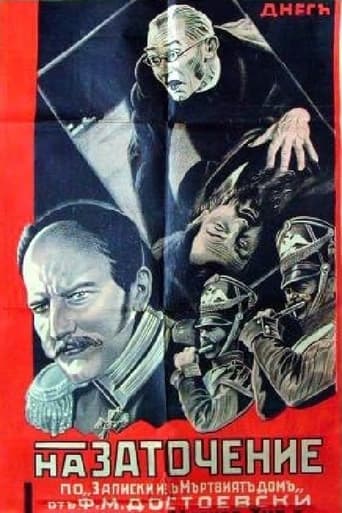
Titles linked here include The Paris Commune (1936), House of the Dead (1932).
When was Vladimir Belokurov born and when did he die?
Born June 22, 1904; died January 28, 1973.
What awards did Vladimir Belokurov win?
Belokurov received the highest honors available to Soviet artists, including the title of People's Artist of the USSR (1965), the Stalin Prize (1949), the Order of the Red Banner of Labour, and was named an Honored Artist and People's Artist of the RSFSR.
What was Vladimir Belokurov's acting style?
Belokurov was known for his naturalistic acting style that emphasized psychological depth and emotional authenticity. He brought a subtle, understated approach to his performances, using extensive character research and method-like preparation to inhabit his roles with remarkable credibility.
Did Vladimir Belokurov work as a teacher?
Yes, in addition to his acting career, Belokurov — respected teacher at the Russian Academy of Theatre Arts, where he mentored generations of Soviet performers and emphasized psychological realism in performance.
How did Vladimir Belokurov influence Soviet cinema?
Belokurov helped move Soviet film toward more psychologically nuanced performances through his naturalistic acting style. His portrayals of historical figures helped define the Soviet historical epic genre, and as a teacher, he influenced countless actors who followed in his footsteps.
Was Vladimir Belokurov related to any other famous actors?
While not directly related to other famous actors, Belokurov was part of the prestigious Moscow Art Theatre tradition and worked with many of the most important figures in Soviet cinema, including directors like Mikhail Romm and Vsevolod Pudovkin.