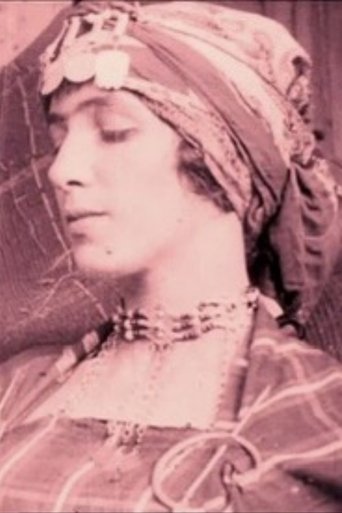
Albert Samama Chikly
Director
Born: 1872 in Tunis, Tunisia Died: 1933 Active: 1922-1924
Films
2 films
About Albert Samama Chikly
Tunisian filmmaker, photographer, and inventor who is the founding fathers of cinema in the Arab world and North Africa. Born into a wealthy Jewish family in Tunis, Chikly developed an early fascination with technology and visual arts, becoming one of the first Tunisians to own a cinematograph camera. His career began as a photographer and cinematographer for French Pathé, where he documented various aspects of Tunisian life before transitioning to narrative filmmaking. In 1922, he directed 'Zohra,' which is considered the first feature-length film made by a North African director, starring his daughter Haydée Chikly in the title role. He followed this success with 'The Girl from Carthage' in 1924, further establishing his reputation as a visionary filmmaker who captured the cultural richness of Tunisia during the French protectorate period. Despite his significant contributions to early cinema, Chikly's work was largely forgotten for decades until film historians began rediscovering and restoring his films in the late 20th century. His brief but impactful only a few years, but his legacy as a cinematic pioneer in the Arab world remains profound and influential.
The Craft
Behind the Camera
Chikly's directing style was characterized by a blend of documentary realism and narrative innovation, often focusing on Tunisian culture and society. He employed natural locations and local talent, creating authentic representations of North African life during the colonial period. His visual approach combined technical sophistication with cultural sensitivity, using cinematography techniques learned from European cinema while maintaining a distinctly Tunisian perspective. Chikly's films often explored themes of tradition versus modernity, women's roles in society, and the complexities of cultural identity in colonial Tunisia.
Milestones
- Directed 'Zohra' (1922), the first feature film by a North African director
- Directed 'The Girl from Carthage' (1924), a landmark of early Arab cinema
- Worked as cinematographer for Pathé in Tunisia
- Pioneered documentary filmmaking in North Africa
- Introduced his daughter Haydée Chikly, one of the first Arab film actresses
Best Known For
Must-See Films
Accolades
Special Recognition
- Recognized posthumously as a pioneer of Arab cinema
- Films restored and preserved by international film archives
- Subject of academic study in early Arab cinema history
Working Relationships
Worked Often With
Studios
Why They Matter
Impact on Culture
Albert Samama Chikly's cultural impact extends far beyond his brief filmography, as he essentially established the foundation for cinema in the Arab world and North Africa. His films provided some of the earliest visual representations of Tunisian society from an indigenous perspective, challenging the colonial gaze prevalent in early ethnographic cinema. By casting his daughter Haydée as a lead actress, Chikly broke cultural barriers and paved the way for women's participation in Arab cinema. His work demonstrated that narrative filmmaking could be used to preserve and celebrate local culture while engaging with global cinematic trends. Chikly's films served as important cultural artifacts that captured Tunisia during a period of significant social and political transformation, offering invaluable insights into the country's history and identity during the French protectorate era.
Lasting Legacy
Albert Samama Chikly's legacy as the father of Tunisian and North African cinema has grown significantly in recent decades as film historians and archivists have worked to restore and preserve his surviving works. His films are now recognized as crucial documents of early Arab cinema and are studied in film schools and academic institutions worldwide. The rediscovery of 'Zohra' and 'The Girl from Carthage' has sparked renewed interest in the history of cinema in the Arab world, leading to research into other early regional filmmakers. Chikly's approach to filmmaking—combining technical excellence with cultural authenticity—continues to influence contemporary Arab filmmakers who seek to tell their own stories on their own terms. His spirit and artistic vision have inspired generations of Tunisian and Arab filmmakers, and he is celebrated as a national hero in Tunisia for his contributions to the country's cultural heritage.
Who They Inspired
Chikly's influence on subsequent generations of Arab filmmakers is profound, particularly in his demonstration that cinema could be a vehicle for cultural expression and identity preservation. His success in creating narrative films with local talent and stories inspired other North African filmmakers to pursue similar projects in the following decades. The technical quality and artistic ambition of his films set a high standard for regional cinema that influenced the development of film industries throughout the Arab world. His daughter Haydée's career as an actress opened doors for women in Arab cinema, challenging traditional gender roles both on and off screen. Contemporary Arab filmmakers often cite Chikly as an inspiration for his ability to create culturally specific content that resonated with international audiences, a balance that many continue to seek in their own work.
Off Screen
Albert Samama Chikly came from a prominent Jewish family in Tunis and was known for his innovative spirit and curiosity about new technologies. He married and had a daughter, Haydée Chikly, who would become his muse and the star of his films. Chikly was not only a filmmaker but also an inventor and photographer who documented various aspects of Tunisian life during the French protectorate. His family background provided him with the means to pursue his artistic and technical interests, and he was part of the intellectual elite of Tunisian society. Despite his Jewish heritage in a predominantly Muslim country, Chikly's work transcended religious boundaries and focused on universal human experiences within the Tunisian context.
Education
Largely self-taught in photography and cinematography; studied engineering and mechanics through European correspondence courses
Family
- Unknown
Did You Know?
- Chikly was one of the first people in Tunisia to own a car and a cinematograph camera
- He worked as a war photographer during World War I
- His daughter Haydée Chikly is considered the first Arab film actress
- Only fragments of his films survive today, preserved in international archives
- Chikly was also an inventor who created several technical devices
- He was fluent in Arabic, French, and Hebrew
- His films were shot on location in Tunisia, unusual for the period
- Chikly documented traditional Tunisian life before modernization transformed the country
- He worked with the Lumière brothers' company early in his career
- His films were rediscovered and restored in the 1990s by film historians
In Their Own Words
Cinema is the mirror of our soul and the witness of our time
Through the lens, we capture the essence of our culture for future generations
Every frame should tell a story, every image should preserve a memory
Frequently Asked Questions
Who was Albert Samama Chikly?
Tunisian filmmaker, photographer, and inventor who is considered the father of North African cinema. He directed the first feature films made in the Arab world, including 'Zohra' (1922) and 'The Girl from Carthage' (1924), establishing a foundation for regional cinema during the silent era.
What films is Albert Samama Chikly best known for?
Titles linked here include Zohra (1922), The Girl from Carthage (1924).
When was Albert Samama Chikly born and when did he die?
Born 1872; died 1933.
What awards did Albert Samama Chikly win?
During his lifetime, Albert Samama Chikly did not receive formal awards, as he was working in the very early days of cinema in North Africa. However, he has been posthumously recognized as a pioneer of Arab cinema, and his films have been preserved and celebrated by international film archives and cinema historians.
What was Albert Samama Chikly's directing style?
Chikly's directing style combined documentary realism with narrative innovation, using natural locations and local talent to create authentic representations of Tunisian life. He blended European cinematic techniques with distinctly Tunisian cultural perspectives, focusing on themes of tradition, modernity, and cultural identity during the colonial period.