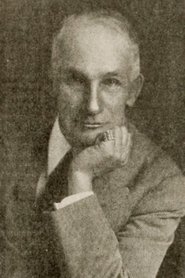
Colin Campbell
Director
Born: October 11, 1869 in Glasgow, Scotland Died: August 26, 1928 Active: 1911-1924
Films
4 films
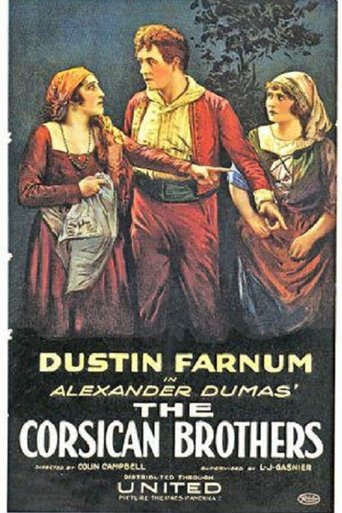
About Colin Campbell
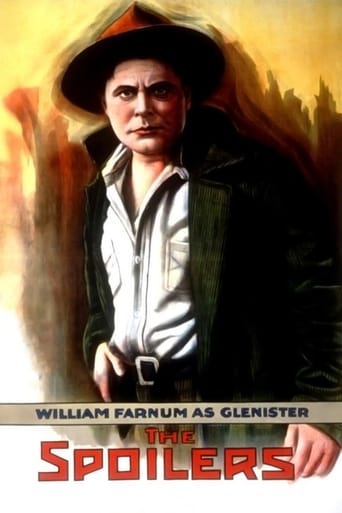
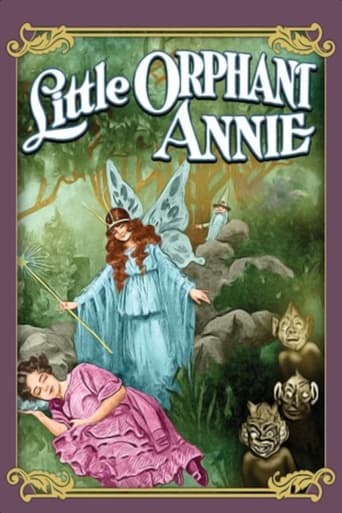
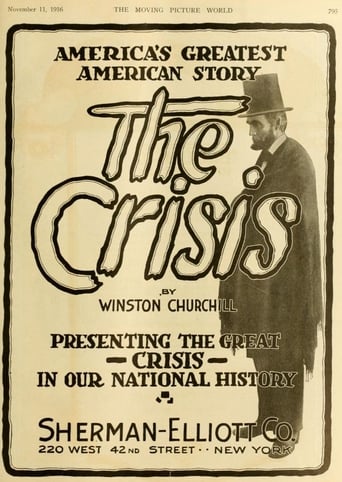
Scottish-born American film director who emerged as one of the figures of the silent film era. Born in Glasgow, Scotland in 1869, he emigrated to the United States and began his film career with the Selig Polyscope Company in the early 1910s, quickly establishing himself as a reliable and versatile director. Campbell became renowned for his ability to handle diverse genres, from westerns and action films to dramatic features, and he worked extensively with many of the era's biggest stars including Tom Mix and Kathlyn Williams. His most celebrated works include 'The Spoilers' (1914), which would be remade multiple times over the decades, and 'The Crisis' (1916), a significant Civil War drama that showcased his ability to handle large-scale productions. Campbell was particularly skilled at location shooting and outdoor sequences, helping to develop techniques that would become standard in American cinema. Throughout his career, he directed over 200 films, contributing significantly to the establishment of narrative conventions and genre formulas that would define Hollywood's golden age. By the early 1920s, as the studio system became more consolidated and filmmaking more sophisticated, Campbell's prolific career began to wane, though his influence on American cinema remained substantial.
The Craft
Behind the Camera
Campbell was known for his efficient, workmanlike approach to filmmaking with particular strength in outdoor location photography and action sequences. He had a knack for handling large casts and complex scenes, especially in westerns and adventure films, emphasizing clarity and narrative advancement over artistic flourishes. His visual style focused on practical storytelling, making his films accessible to broad audiences while maintaining production quality. Campbell was particularly adept at capturing the American landscape, using natural settings to enhance dramatic impact and authenticity in his narratives.
Milestones
- Directed The Spoilers (1914),
- Pioneered location shooting techniques in American cinema
- Directed over 200 films during his career
- Helped establish the Selig Polyscope Company as a major studio
- Worked extensively with cowboy star Tom Mix, helping establish his screen persona
- Directed The Crisis (1916),
Best Known For
Must-See Films
Accolades
Special Recognition
- Recognized as a director of the silent era
- His films are preserved in various film archives including the Library of Congress
- Contributed to the development of American narrative cinema
- His version of The Spoilers is studied in film history courses
Working Relationships
Worked Often With
Studios
Why They Matter
Impact on Culture
Colin Campbell played a significant role in establishing the conventions of American narrative cinema during its formative years, helping transform movies from novelty attractions into sophisticated storytelling mediums. His work helped standardize techniques for location shooting and action sequences that would become staples of Hollywood filmmaking for decades. Through his numerous westerns and adventure films, Campbell contributed significantly to the development of quintessentially American film genres that would define the country's cinematic identity. His efficient, professional approach to filmmaking helped establish the model for studio directors during the emerging studio system era, influencing how Hollywood would approach film production as an industry.
Lasting Legacy
Campbell's legacy is preserved through his surviving films, which continue to be studied by film historians interested in the development of American cinema and the evolution of film language during the silent era. His version of 'The Spoilers' became part of a remarkable series of adaptations that spanned decades of Hollywood history, demonstrating the enduring power of the stories he brought to the screen. The techniques he pioneered for outdoor filming and action sequences influenced generations of directors who followed, helping establish visual vocabulary that remains fundamental to cinema. Campbell represents the generation of directors who helped transform cinema from a technical novelty into a sophisticated narrative art form, bridging the gap between early experimental films and the mature Hollywood studio system.
Who They Inspired
Campbell's practical, efficient approach to filmmaking influenced the development of the studio system's approach to production, demonstrating how directors could maintain quality while working within industrial constraints. His work with stars like Tom Mix helped establish the star system that would dominate Hollywood for decades, showing how directors could effectively build and maintain star personas. His techniques for shooting action sequences and location filming were adopted and refined by subsequent directors, becoming standard practice in the industry. Campbell's success in multiple genres demonstrated the versatility required of studio directors, influencing how the industry would approach director assignments and career development within the studio framework.
Off Screen
Colin Campbell married actress Kathlyn Williams in 1913, creating both a personal and professional partnership that significantly shaped both their careers. Williams became. Their marriage lasted until 1921 when they divorced, though they maintained professional respect. Campbell was known throughout the industry as a hard-working, professional director who maintained good relationships with his cast and crew despite the demanding production schedules typical of the silent era. He became an American citizen and fully embraced his adopted country, focusing his filmmaking on distinctly American stories and themes.
Education
Limited formal education documentation, typical of film professionals of his era who often learned through practical experience rather than formal training
Family
- Kathlyn Williams (1913-1921)
Did You Know?
- Directed over 200 films during his career
- Born in Glasgow, Scotland, but became an American citizen
- Was married to actress Kathlyn Williams who starred in many of his films
- Worked extensively with cowboy star Tom Mix, helping establish his screen persona
- His film The Spoilers was remade at least five times over several decades
- Helped establish Selig Polyscope as one of the earliest major film studios
- Was one of the first directors to regularly shoot on location rather than exclusively on studio sets
- His film The Crisis was
- Surviving prints of his films are rare, as many were lost in studio fires and the decomposition of nitrate film
- His active years covered the crucial transition from short films to feature-length productions
- Often wrote or contributed to the screenplays of the films he directed
- Was known for completing films quickly and efficiently, sometimes directing multiple features simultaneously
In Their Own Words
While specific quotes from Campbell are rare due to the limited documentation of silent era directors, his work ethic was summarized by contemporaries as 'getting the job done right the first time'
Frequently Asked Questions
Who was Colin Campbell?
Scottish-American on YTB.my. He directed over 200 films and worked primarily for the Selig Polyscope Company, becoming known for his efficient direction of westerns, action films, and dramatic features.
What films is Colin Campbell best known for?
Titles linked here include The Spoilers (1914), The Crisis (1916).
When was Colin Campbell born and when did he die?
Born October 11, 1869; died August 26, 1928.
What was Colin Campbell's directing style?
Campbell was known for his efficient, workmanlike approach with particular strength in location shooting and action sequences. He emphasized clear storytelling and was adept at handling large-scale productions and outdoor filming, which helped establish techniques that became standard in Hollywood.
Did Colin Campbell win any awards?
Campbell did not receive formal awards during his career, as the Academy Awards were established in 1929, after his death. However, he is recognized by film historians as a director who made significant contributions to early American cinema.
Who did Colin Campbell frequently work with?
Campbell frequently collaborated with cowboy star Tom Mix, actress Kathlyn Williams (who was also his wife), and actors Bessie Eyton and Eugenie Besserer. He worked primarily for the Selig Polyscope Company before moving to other studios like Fox and Universal.
What is Colin Campbell's legacy in film history?
Campbell's legacy includes helping establish conventions of American narrative cinema, location shooting techniques, and contributing to the development of film genres like the western. His efficient directing approach influenced the emerging studio system, and his films continue to be studied by film historians interested in silent era cinema.