
Films
3 films
About Nikolai Lebedev
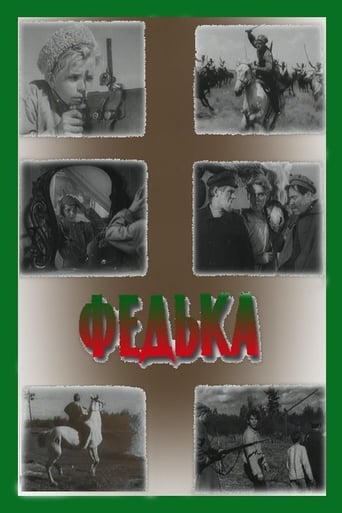
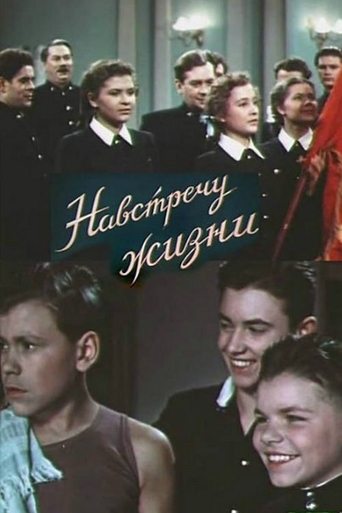
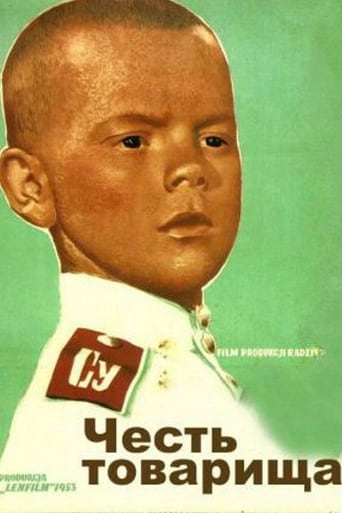
Soviet film director active during the Stalinist era — known for his work in the 1930s through the early 1950s. His career began in 1936 with his directorial debut 'Fedka,' establishing him as a filmmaker working within the Soviet state cinema system. Lebedev continued directing through World War II and into the early Cold War period, creating films that reflected the ideological and artistic requirements of Soviet cinema. His most productive period appears to have been the early 1950s, during which he directed 'The Encounter of a Lifetime' (1952) and 'The Honor of Comrade' (1953). Like many Soviet directors of his generation, Lebedev worked within the constraints of state-controlled filmmaking while attempting to create meaningful cinematic works. His filmography, though not extensive, represents the typical trajectory of a Soviet director navigating the complex political and artistic landscape of mid-20th century Soviet cinema. Lebedev's career appears to have concluded in the mid-1950s, coinciding with the cultural shifts that followed Stalin's death in 1953.
The Craft
Behind the Camera
Lebedev's directing style reflected the conventions of Soviet cinema during the Stalinist era, emphasizing socialist realism and ideological messaging. His films likely incorporated the formal techniques and narrative structures approved by Soviet cultural authorities, focusing on themes of collective achievement, revolutionary ideals, and the triumph of communist values. Like his contemporaries, Lebedev would have worked within the strict guidelines of the state film industry, balancing artistic expression with political requirements.
Milestones
- Directorial debut with 'Fedka' (1936)
- Directed 'The Encounter of a Lifetime' (1952)
- Completed 'The Honor of Comrade' (1953)
Best Known For
Must-See Films
Working Relationships
Studios
Why They Matter
Impact on Culture
Nikolai Lebedev's cultural impact was primarily within the context of Soviet cinema during the mid-20th century. As a director working during the Stalinist period, his films contributed to the state-controlled cultural landscape that shaped Soviet society's understanding of cinema and its role in socialist education. His work represents the broader tradition of Soviet directors who navigated the complex relationship between artistic expression and political ideology during.
Lasting Legacy
Lebedev's legacy is that of a typical Soviet director of his generation - a filmmaker who worked within the constraints of the state system to create cinema that served both artistic and ideological purposes. While not internationally renowned, his films are part of the historical record of Soviet cinema and provide insight into the cultural and political dynamics of mid-20th century Soviet filmmaking. His career trajectory from the 1930s through the early 1950s mirrors the evolution of Soviet cinema during this transformative period.
Who They Inspired
Information about Lebedev's direct influence on other filmmakers is limited, as is common for many Soviet directors who were not part of the internationally recognized avant-garde or later Soviet New Wave movements. His work would have been influenced by the prevailing aesthetic and ideological standards of Soviet cinema rather than representing a distinctive personal style that influenced others.
Off Screen
Limited information is available about Nikolai Lebedev's personal life, which is common for Soviet directors of his era who were not internationally recognized. As a filmmaker working within the Soviet system, he would have been subject to the same social and political pressures as his contemporaries.
Did You Know?
- Active during the Stalinist era of Soviet cinema
- Active 1936–1953 in this catalog, coinciding with major historical events in Soviet history
- Like many Soviet directors, worked within the socialist realist tradition
- His filmography includes works from both pre-war and post-war Soviet cinema
- The title 'The Honor of Comrade' (1953) suggests themes of communist ideology typical of the period
Frequently Asked Questions
Who was Nikolai Lebedev?
Soviet on YTB.my. He worked within the Soviet state cinema system during the Stalinist era.
What films is Nikolai Lebedev best known for?
Titles linked here include Fedka (1936), The Encounter of a Lifetime (1952).
When was Nikolai Lebedev born and when did he die?
Specific birth and death dates for Nikolai Lebedev are not readily available in English-language sources. He was active as a director from 1936 to 1953, placing his career during the Stalinist period of Soviet history.
What awards did Nikolai Lebedev win?
There is no available information about specific awards or honors received by Nikolai Lebedev. Like many Soviet directors of his era who were not internationally prominent, detailed records of his recognition may be limited or primarily available in Russian-language sources.
What was Nikolai Lebedev's directing style?
Lebedev's directing style reflected the conventions of Soviet cinema during the Stalinist era, emphasizing socialist realism and ideological themes. His films would have incorporated the formal techniques and narrative structures approved by Soviet cultural authorities of the time.