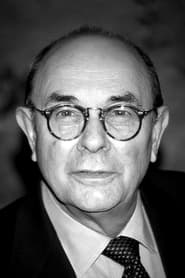
Stanley Donen
Director
Born: April 13, 1924 in Columbia, South Carolina, USA Died: February 21, 2019 Active: 1940-2018
Films
2 films
About Stanley Donen
American film director and choreographer who revolutionized the Hollywood musical genre during its golden age. Beginning his career as a dancer and choreographer on Broadway, he transitioned to Hollywood where he collaborated with Gene Kelly on musicals. Donen's innovative camera techniques and seamless integration of dance into narrative storytelling transformed the musical film format. His masterpiece 'Singin' in the Rain' (1952), co-directed with Kelly, is the greatest films ever made. Throughout the 1950s and 1960s, Donen successfully expanded beyond musicals to direct sophisticated romantic comedies and thrillers, including the classic 'Charade' (1963). His over five decades, during which he worked with Hollywood's biggest stars and consistently pushed the boundaries of cinematic technique. Donen received an honorary Academy Award in 1998 for his lifetime achievement in cinema, cementing his legacy as one of Hollywood's most versatile and influential directors.
The Craft
Behind the Camera
Stanley Donen was renowned for his innovative camera techniques and dynamic visual storytelling. He pioneered the use of split screens, crane shots, and mobile cameras to create fluid, dance-like movements that complemented his musical numbers. His directing style emphasized seamless transitions between dialogue and dance, making musical numbers feel organic to the narrative rather than interruptive. Donen had a sophisticated visual aesthetic, particularly evident in his later non-musical work where he employed elegant compositions and witty visual gags. He was known for his meticulous attention to rhythm and timing, whether directing dance sequences or comedy scenes.
Milestones
- Choreographed 'Cover Girl' (1944)
- Co-directed 'On the Town' (1949) - first musical shot on location
- Directed 'Singin' in the Rain' (1952)
- Directed 'Seven Brides for Seven Brothers' (1954)
- Directed 'Funny Face' (1957)
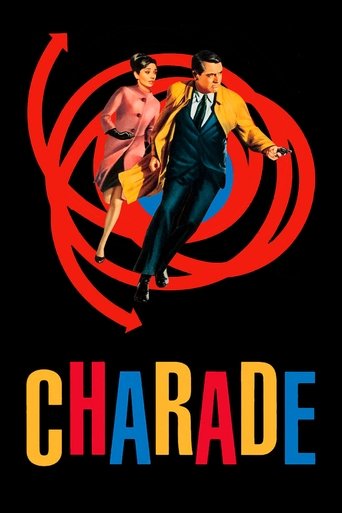
- Directed 'Charade' (1963)
- Received Honorary Academy Award (1998)
Best Known For
Must-See Films
Accolades
Won
- Honorary Academy Award (1998)
- National Board of Review Award for Best Director (1953) for 'Give a Girl a Break'
- Golden Globe Cecil B. DeMille Award (1996)
- Berlin International Film Festival Golden Bear (1975) for 'Lucky Lady'
Nominated
- Academy Award nomination for Best Dance Direction (1948) for 'Living in a Big Way'
- Directors Guild of America Award nomination (1953) for 'Singin' in the Rain'
- Directors Guild of America Award nomination (1955) for 'Seven Brides for Seven Brothers'
- BAFTA nomination for Best Film (1964) for 'Charade'
Special Recognition
- Hollywood Walk of Fame Star (1960)
- AFI Life Achievement Award nomination (1997)
- National Film Registry inclusion for 'Singin' in the Rain' (1989)
- Kennedy Center Honors (1998)
Working Relationships
Worked Often With
Studios
Why They Matter
Impact on Culture
Stanley Donen fundamentally transformed the Hollywood musical, elevating it from backstage entertainment to sophisticated cinematic art. His innovative camera techniques, particularly in 'Singin' in the Rain,' created a new visual language for filming dance that influenced generations of filmmakers. Donen's ability to seamlessly blend comedy, romance, and musical numbers set a new standard for genre filmmaking. His transition to directing non-musical films like 'Charade' demonstrated that musical directors could excel across genres, expanding opportunities for choreographers and dance directors in Hollywood. The enduring popularity of his films continues to introduce new audiences to classic Hollywood, with 'Singin' in the Rain' consistently appearing on lists of the greatest films ever made.
Lasting Legacy
Stanley Donen's legacy encompasses not only his revolutionary contributions to the musical genre but also his role in defining Hollywood's golden age elegance and sophistication. His films remain benchmarks of cinematic craftsmanship, studied in film schools worldwide for their technical innovation and artistic excellence. Donen's work preserved and immortalized the talents of legends like Fred Astaire and Gene Kelly, creating timeless performances that continue to inspire dancers and filmmakers. His honorary Academy Award in 1998 recognized not just his individual achievements but his role in shaping American cinema's most beloved genre. The continued relevance of his films in popular culture, from homages in modern movies to their preservation in the National Film Registry, testifies to the enduring power of his artistic vision.
Who They Inspired
Donen's influence extends far beyond his own films, impacting directors across multiple genres. His innovative camera work and choreographic integration influenced filmmakers like Bob Fosse, Rob Marshall, and Baz Luhrmann in their approach to musical cinema. The seamless blend of comedy and sophistication in his non-musical work influenced directors such as Blake Edwards and the Coen Brothers. His technical innovations, particularly in mobile camera work and split-screen techniques, became standard tools in filmmaking. Many contemporary directors cite Donen's ability to balance entertainment with artistic merit as a model for their own work, and his films continue to be referenced and homaged in modern cinema, demonstrating his lasting impact on visual storytelling.
Off Screen
Stanley Donen was married seven times throughout his life, reflecting both his romantic nature and the complexities of his personal relationships. His most notable marriage was to actress Jeanne Coyne, who had previously been married to his frequent collaborator Gene Kelly. Donen had three sons: Peter, Mark, and Joshua, with Peter following in his father's footsteps as a film director. In his later years, Donen divided his time between New York City and London, remaining active in the film community and attending retrospectives of his work. He was known for his wit and charm, often entertaining audiences with stories from Hollywood's golden age during film screenings and interviews.
Education
Attended the University of South Carolina briefly before moving to New York City at age 16 to pursue dance training with choreographer George Balanchine
Family
- Jeanne Coyne (1948-1951)
- Marion Marshall (1952-1959)
- Adelle O'Connor Beatty (1960-1971)
- Yvette Mimieux (1972-1985)
- Pamela Braden (1990-1994)
- Karen Boyes (1999-2009)
- Elaine May (2012-2019)
Did You Know?
- Was the last surviving great director from Hollywood's golden age
- Began his career as a chorus boy on Broadway at age 16
- Co-directed 'Singin' in the Rain' but didn't receive official credit until decades later
- Famously said 'I'm a director who can dance, not a dancer who can direct'
- Was the subject of a 1995 documentary 'Stanley Donen: You Just Don't Understand'
- Turned down directing 'The Sound of Music' to work on other projects
- His son Peter directed 'The Man with One Red Shoe' starring Tom Hanks
- Was friends with Alfred Hitchcock and cited him as a major influence on his non-musical films
- Received his star on the Hollywood Walk of Fame in 1960
- Was nominated for a Tony Award for choreography early in his career
- Spoke fluent French and directed several films in Europe
- Was a pallbearer at Gene Kelly's funeral in 1996
In Their Own Words
I'm a director who can dance, not a dancer who can direct.
The secret to directing is knowing what not to shoot.
Musicals are not about people bursting into song; they're about people who are so emotional they can only express themselves through song.
I wanted to make films that were like champagne - light, sparkling, and gone too soon.
The camera should dance with the dancers.
I never made a film I didn't believe in, even if nobody else did.
Hollywood was a factory, but we were artists working in the factory.
The best films are the ones that make you forget you're watching a film.
Frequently Asked Questions
Who was Stanley Donen?
American on YTB.my. He is best known for directing classics like 'Singin' in the Rain,' 'Seven Brides for Seven Brothers,' and 'Charade,' and for his innovative camera techniques that transformed how dance was filmed in cinema.
What films is Stanley Donen best known for?
Titles linked here include Singin' in the Rain (1952), On the Town (1949).
When was Stanley Donen born and when did he die?
Born April 13, 1924; died February 21, 2019.
What awards did Stanley Donen win?
Donen received an Honorary Academy Award in 1998 for his lifetime achievement in cinema. He also won the Golden Globe Cecil B. DeMille Award in 1996, a National Board of Review Award for Best Director in 1953, and had multiple films preserved in the National Film Registry.
What was Stanley Donen's directing style?
Donen was known for his innovative camera work that made the camera 'dance' with performers, using cranes, tracking shots, and split screens to create fluid, dynamic movements. He seamlessly integrated musical numbers into narrative storytelling and later applied his visual sophistication to comedies and thrillers, creating films marked by elegance, wit, and technical brilliance.