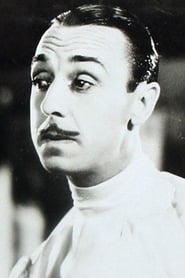
Jay Eaton
Actor
Born: March 17, 1899 in Union, New Jersey, USA Died: February 5, 1970 Active: 1920-1952
Films
2 films
About Jay Eaton
Prolific American character actor: career bridged the transition from the silent era to the Golden Age of Hollywood. Born on March 17, 1899, in Union, New Jersey, he began his cinematic journey in 1920 with a role in the silent film 'Her First Elopement.' Over the next three decades, Eaton became a ubiquitous presence in Hollywood, appearing in nearly 200 films, though many of his contributions were uncredited background roles that added texture to major productions. He was frequently cast as sophisticated urbanites, including dancers, reporters, and club patrons, appearing in classics such as 'A Night at the Opera' (1935) and 'The Big Sleep' (1946). His ability to seamlessly blend into the ensemble of high-profile films made him a reliable asset for major studios like MGM and Warner Bros. Eaton's career continued through the early 1950s, concluding with a final appearance in William Wyler's 'Carrie' (1952) before his death in 1970.
The Craft
On Screen
Eaton — versatile 'utility' actor who specialized in playing polished, professional, or high-society background characters. He was often utilized for his ability to portray sophisticated urban types, such as hotel clerks, reporters, and nightclub patrons, requiring a naturalistic presence that didn't distract from the lead stars but enhanced the realism of the scene.
Milestones
- Debuted in the silent film 'Her First Elopement' in 1920
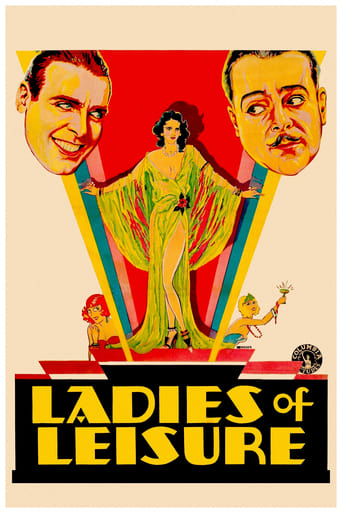
- Appeared in the Frank Capra classic 'Ladies of Leisure' (1930)
- Featured in the Marx Brothers' comedy masterpiece 'A Night at the Opera' (1935)
- Cast in the iconic film noir 'The Big Sleep' (1946) starring Humphrey Bogart
- Maintained a career spanning over 30 years with nearly 200 film credits
- Final screen appearance in the William Wyler drama 'Carrie' (1952)
Best Known For
Iconic Roles
Must-See Films
Accolades
Special Recognition
- Recognized in the 'Lord Heath' Hal Roach filmography for his contributions to classic comedy shorts
Working Relationships
Worked Often With
Studios
Why They Matter
Impact on Culture
Jay Eaton represents the 'invisible' backbone of Hollywood's Golden Age—the professional character actors who provided the necessary atmosphere for the era's greatest films. While rarely the star, his presence in nearly 200 films means he was a witness to and participant in the evolution of cinema from silent shorts to the complex noir and social dramas of the late 1940s. His work with directors like Frank Capra and William Wyler highlights the importance of reliable supporting talent in creating the 'Hollywood look.'
Lasting Legacy
Eaton's legacy is preserved through his massive filmography, which serves as a time capsule of 20th-century American cinema. Film historians and enthusiasts of the studio system often encounter Eaton in the background of many 'Top 100' films, where he remains a symbol of the enduring professional actor who sustained a lifelong career within the competitive studio environment.
Who They Inspired
His career serves as a blueprint for the modern 'working actor,' demonstrating how a performer can maintain a three-decade career through versatility and professionalism without the need for leading-man status.
Off Screen
Jay Eaton lived a relatively private life in Hollywood. He was part of the large community of reliable character actors who formed the backbone of the studio system. He passed away from a heart attack at the age of 70 in Hollywood and is interred at the Forest Lawn Memorial Park in Glendale, California.
Did You Know?
- Eaton appeared in almost 200 films throughout his 32-year career.
- He was a frequent background player in Hal Roach comedy shorts during the late 1920s and early 1930s.
- He is buried at the prestigious Forest Lawn Memorial Park, the final resting place of many Hollywood legends.
- Despite his long career, the vast majority of his roles were uncredited, a common practice for character actors of that era.
- He successfully navigated the difficult transition from silent films to 'talkies' without a break in his employment.
- His final film, 'Carrie' (1952), saw him working under the direction of the legendary William Wyler.
Frequently Asked Questions
Who was Jay Eaton?
Prolific American character with credits in this catalog. He appeared in nearly 200 films, often in uncredited roles as sophisticated urban characters.
What films is Jay Eaton best known for?
Titles linked here include Ladies of Leisure (1930), A Night at the Opera (1935).
When was Jay Eaton born and when did he die?
Born March 17, 1899; died February 5, 1970.
Did Jay Eaton win any major awards?
No, as a character actor primarily focused on supporting and uncredited roles, he did not receive major individual awards, but he contributed to many Oscar-winning productions.
What was Jay Eaton's acting style?
He was known for a naturalistic and polished style, often cast as well-dressed professionals, socialites, or urban workers like reporters and clerks.