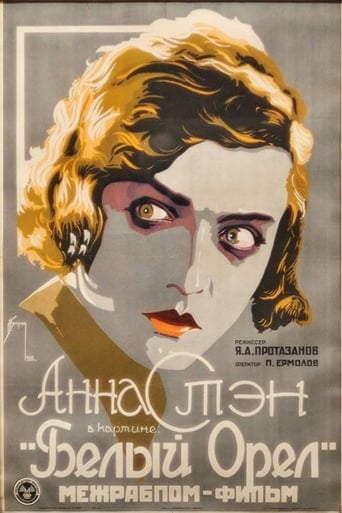
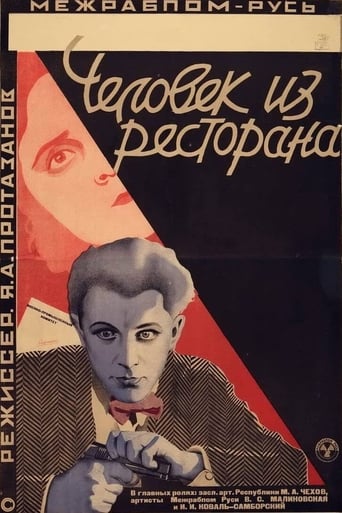
Films
2 films
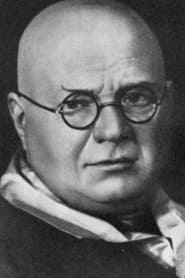
About Andrey Petrovsky
Soviet actor who emerged during the final years of the silent film era in Russia. His brief but notable career coincided with the transition period between silent films and early sound cinema in the Soviet Union. Petrovsky worked primarily under the direction of Yakov Protazanov, prominent Soviet filmmakers of the 1920s. His most significant roles came in 1927's 'The Man from the Restaurant' and 1928's 'The White Eagle,' both critically acclaimed Soviet silent films that showcased the emerging talent in Russian cinema. Despite his limited filmography, Petrovsky demonstrated considerable skill in the silent acting style, using expressive gestures and facial expressions characteristic of the era's finest performers. His career appears to have been brief, possibly ending with the transition to sound films or due to other circumstances common to actors of this period. While detailed records of his life are scarce, his contributions to these important Soviet films represent a small but meaningful part of early Russian cinema history.
The Craft
On Screen
Petrovsky employed the expressive, gestural acting style typical of late silent film performers, using facial expressions and body language to convey emotion and character depth without dialogue.
Milestones
- Appeared in 'The Man from the Restaurant' (1927)
- Starred in 'The White Eagle' (1928)
- Worked with acclaimed director Yakov Protazanov
- Participated in late Soviet silent cinema
Best Known For
Iconic Roles
Must-See Films
Working Relationships
Worked Often With
Studios
Why They Matter
Impact on Culture
Andrey Petrovsky's contributions to Soviet cinema, though limited in scope, represent the collective effort of talented actors who helped establish the foundation of Russian film artistry during its formative years. His work in two of Yakov Protazanov's most significant silent films places him within the context of a crucial period in Soviet cultural history, when cinema was being used as both artistic expression and social commentary. While not a major star, his participation in these productions contributed to the overall quality and impact of films that have since become classics of Soviet cinema.
Lasting Legacy
Petrovsky's legacy is preserved through his roles in two important Soviet silent films that continue to be studied by film historians and enthusiasts of early Russian cinema. These films serve as valuable cultural artifacts, showcasing the artistic achievements of Soviet filmmakers and actors during the 1920s. Though his individual contribution was modest, he remains part of the collective artistic heritage of this golden age of Soviet silent film.
Who They Inspired
Due to his brief career and supporting roles, there is limited documentation of Petrovsky's direct influence on other performers. However, his work exemplifies the professional standards and artistic approaches that characterized quality Soviet silent film acting during this transitional period in cinema history.
Off Screen
Very little documented information exists about Andrey Petrovsky's personal life, which is common for many supporting actors from the Soviet silent era. His brief film career and the limited preservation of records from this period have left much of his biography unknown.
Did You Know?
- Appeared in two consecutive films directed by Yakov Protazanov
- Active years covered only the final years of the Soviet silent era
- Both of his known films have been preserved as important examples of late Soviet silent cinema
- Worked during a period when Soviet cinema was gaining international recognition
- His filmography represents a typical pattern for many supporting actors of the era who had brief but impactful careers
- The White Eagle was among the last major Soviet silent productions before the transition to sound
Frequently Asked Questions
Who was Andrey Petrovsky?
Screen credits include two notable silent films, 'The Man from the Restaurant' (1927) and 'The White Eagle' (1928), both directed by acclaimed filmmaker Yakov Protazanov.
What films is Andrey Petrovsky best known for?
Titles linked here include The Man from the Restaurant (1927), The White Eagle (1928).
When was Andrey Petrovsky active as an actor?
Petrovsky's known film career was brief, spanning only from 1927 to 1928 during the final years of the Soviet silent film era before the transition to sound cinema.
Did Andrey Petrovsky win any awards for his acting?
There are no documented awards or nominations for Andrey Petrovsky, which was common for many supporting actors during the silent film era, especially in the Soviet Union where formal acting awards were not yet established.
What was Andrey Petrovsky's acting style?
Petrovsky employed the expressive, gestural acting style typical of late silent film performers, using facial expressions and body language to convey emotion and character depth in the absence of dialogue.
Who did Andrey Petrovsky frequently work with?
Petrovsky worked primarily with director Yakov Protazanov,.