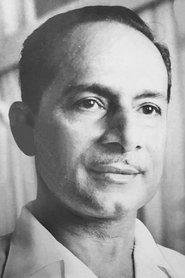
Nitin Bose
Director
Born: April 26, 1897 in Calcutta, Bengal Presidency, British India Died: April 14, 1986 Active: 1930-1955 Birth Name: Nitin Chandra Bose
Films
3 films
About Nitin Bose
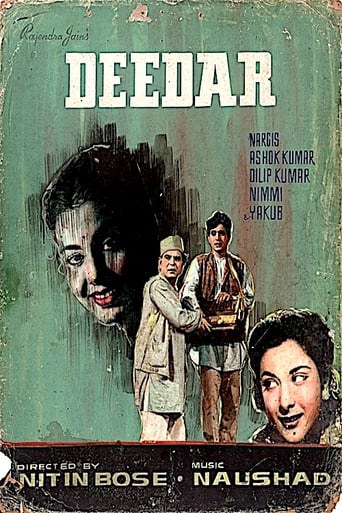
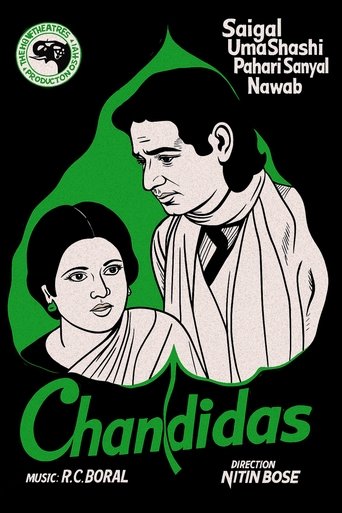
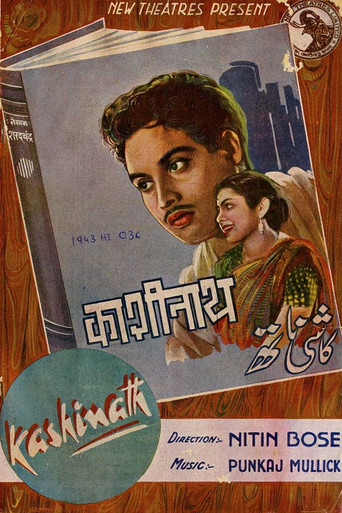
Made significant contributions to early Indian cinema during the crucial transition from silent films to talkies. Born into the prominent Bose family of Calcutta, he began his filmmaking career in the early 1930s and quickly established himself as a visionary director with a keen eye for social themes and technical innovation. His 1934 film 'Chandidas' was for its time, featuring both Bengali and Hindi versions while addressing important social reform themes that challenged traditional norms. Throughout the 1940s, Bose continued to direct notable films including 'Kashinath' (1943), which further cemented his reputation for creating socially relevant cinema with mass appeal. His 1951 masterpiece 'Deedar' became one of his most celebrated works, showcasing his exceptional ability to blend entertainment with meaningful storytelling and featuring memorable performances by Dilip Kumar and Nargis. Bose was particularly known for his technical innovations in sound cinema, including early experiments with playback singing and advanced sound recording techniques that would later become standard in Indian filmmaking. He worked closely with some of the biggest stars of his era and in shaping the early landscape of Indian commercial cinema, bridging the gap between artistic cinema and mainstream entertainment.
The Craft
Behind the Camera
Nitin Bose was known for his socially conscious storytelling combined with technical innovation. His directing style emphasized realistic performances while addressing contemporary social issues like caste discrimination, women's rights, and religious reform. He had a meticulous approach to film composition and was among the first directors to effectively use sound as a narrative tool rather than just recording dialogue. Bose's films often featured a blend of entertainment and social messaging, making complex themes accessible to mass audiences. He was particularly skilled at extracting nuanced performances from his actors and creating emotionally resonant scenes that balanced melodrama with subtlety.
Milestones
- Directed 'Chandidas' (1934), early talkie with dual language versions
- Created 'Kashinath' (1943), significant social drama
- Directed 'Deedar' (1951), major commercial and critical success
- Pioneered technical innovations in early Indian sound cinema
- Worked with legendary actors like Dilip Kumar, Nargis, and Raj Kapoor
- Contributed to development of parallel cinema in India
- Introduced advanced sound recording techniques
- Mentored several future filmmakers
Best Known For
Must-See Films
Accolades
Won
- Filmfare Award for Best Director (1955) - 'Biraj Bahu'
- Bengal Film Journalists' Association Awards for multiple films
- Padma Shri (1958) - India's fourth highest civilian award
Nominated
- Filmfare nominations for Best Director for multiple films
- National Film Award considerations
Special Recognition
- Padma Shri recipient (1958)
- Dadasaheb Phalke Award consideration
- Recognized as pioneer of Indian sound cinema
- Honored at various international film festivals
Working Relationships
Worked Often With
Studios
Why They Matter
Impact on Culture
Nitin Bose played a crucial role in shaping early Indian cinema by bridging traditional storytelling with modern filmmaking techniques. His films addressed pressing social issues like caste discrimination, women's education, and religious reform, helping to raise social consciousness through popular cinema. He was instrumental in developing the technical infrastructure for sound cinema in India, introducing innovations in sound recording and playback singing that became industry standards. Bose's work helped establish the template for socially relevant commercial cinema that would influence generations of Indian filmmakers. His films contributed to the national discourse on social reform during India's struggle for independence and the early years of nation-building.
Lasting Legacy
Nitin Bose's legacy endures through his contributions to Indian cinema's technical and artistic development. He is remembered as one of the architects of modern Indian filmmaking, particularly for his innovations in sound cinema and socially relevant storytelling. His films continue to be studied in film schools for their technical achievements and social significance. Bose influenced the trajectory of parallel cinema in India, inspiring filmmakers to use cinema as a medium for social change. His work represents a crucial bridge between the early silent era and the golden age of Indian cinema, establishing many conventions that would define Indian popular cinema for decades.
Who They Inspired
Nitin Bose influenced multiple generations of Indian filmmakers through his innovative techniques and socially conscious approach to cinema. Directors like Bimal Roy, Guru Dutt, and later Satyajit Ray drew inspiration from his ability to blend entertainment with meaningful social commentary. His technical innovations in sound recording and playback singing influenced the entire Indian film industry. Bose's success in creating commercially viable films with social messages established a template that many subsequent directors would follow. His work with actors helped develop the naturalistic acting style that would become characteristic of Indian cinema's golden age.
Off Screen
Nitin Bose came from the Bose family of Calcutta, known for their contributions to Indian society and culture. He was related to Subhas Chandra Bose, the prominent Indian nationalist leader. Bose maintained a relatively private personal life, focusing primarily on his work in cinema. He was known for his intellectual pursuits and interest in literature, which influenced his filmmaking choices. Despite his success, he remained humble and dedicated to the art of cinema throughout his life.
Education
University of Calcutta, studied literature and arts before entering cinema
Family
- Meera Devi (married 1930s)
Did You Know?
- Was related to Indian nationalist leader Subhas Chandra Bose
- Directed the first Indian film with playback singing
- His film "Chandidas" was made in both Bengali and Hindi versions simultaneously
- Pioneered the use of dubbing techniques in Indian cinema
- Was among the first Indian directors to shoot outdoor scenes effectively
- His film
- Deedar
- inspired the 1975 Hindi film
- Jawan Bhagwan
- ,
- Worked with legendary singer K.L. Saigal in multiple films
- Was instrumental in developing the studio system in Indian cinema
- His films were screened internationally, helping introduce Indian cinema to global audiences
- Mentored several technicians who later became prominent directors
In Their Own Words
Cinema is not just entertainment; it is a mirror that reflects society and a window that shows us what we can become.
The true power of cinema lies in its ability to touch hearts while opening minds.
Technical innovation without human emotion is like a body without a soul.
Every film should leave the audience with something to think about long after they leave the theater.
We must use our art to build bridges, not walls, between different sections of society.
Frequently Asked Questions
Who was Nitin Bose?
Indian on YTB.my. He was instrumental in developing technical innovations in sound recording and playback singing while addressing important social issues through his films.
What films is Nitin Bose best known for?
When was Nitin Bose born and when did he die?
Born April 26, 1897; died April 14, 1986.
What awards did Nitin Bose win?
Nitin Bose received the prestigious Padma Shri award in 1958, India's fourth highest civilian honor, for his contributions to Indian cinema. He also won the Filmfare Award for Best Director in 1955 for 'Biraj Bahu' and received multiple Bengal Film Journalists' Association Awards for his various films.
What was Nitin Bose's directing style?
Nitin Bose's directing style combined socially conscious storytelling with technical innovation, emphasizing realistic performances while addressing contemporary social issues. He was known for his meticulous approach to film composition, effective use of sound as a narrative tool, and ability to blend entertainment with meaningful social messaging, making complex themes accessible to mass audiences.