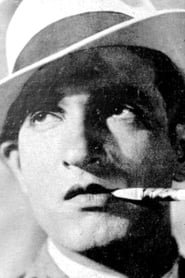
Surendra
Actor
Born: November 11, 1910 in Lahore, British India (now Pakistan) Died: September 18, 1987 Active: 1936-1957 Birth Name: Surendra Nath Bhatia
Films
2 films

About Surendra
Surendra (1910-1987) was an actor-singer of Indian cinema who rose to prominence during the golden era of Hindi filmmaking. Born Surendra Nath Bhatia in Lahore, he began his career in the early 1930s and quickly established himself as one of the first singing stars of Indian talkies. His breakthrough came with his powerful performances and melodious voice in films like 'Deccan Queen' (1936) and 'President' (1937). Surendra's collaboration with director Mehboob Khan in 'Aurat' (1940) showcased his ability to portray complex emotional characters while delivering memorable songs. Throughout the 1940s, he continued to be a leading man, appearing in significant films including 'Elan' (1947) which marked the end of an era in Indian cinema. His nearly three decades, during which he appeared in over 70 films and became known for his distinctive singing style that blended classical training with popular appeal. By the late 1950s, Surendra gradually reduced his film appearances as the industry transitioned to playback singing, though his legacy as one of cinema's first singing actors remained firmly established.
The Craft
On Screen
Surendra was known for his naturalistic acting style that emphasized emotional authenticity and subtle expressions. He brought a sophisticated refinement to his roles, particularly in romantic and dramatic characters, often using his singing ability to enhance the emotional depth of his performances. His approach combined theatrical training with a screen presence that resonated with audiences of the era, making him particularly effective in social dramas and romantic narratives.
Milestones
- Debut in 'Deccan Queen' (1936)
- Breakthrough role in 'President' (1937)
- Starring role in Mehboob Khan's 'Aurat' (1940)
- Performance in 'Elan' (1947)
- Became one of the first singing stars of Indian cinema
- Appeared in over 70 films during his career
- Successfully transitioned from silent to talkie era
Best Known For
Iconic Roles
Must-See Films
Accolades
Won
- Padma Shri (1971)
Nominated
- Filmfare Award nomination for Best Actor
Special Recognition
- Recognized as one of the pioneers of singing actors in Indian cinema
- Honored by various film societies for his contributions to early Hindi cinema
Working Relationships
Worked Often With
Studios
Why They Matter
Impact on Culture
Surendra played a crucial role in establishing the template for singing actors in Indian cinema during the transition from silent films to talkies. His success demonstrated that actors could effectively combine dramatic performance with musical ability, setting a precedent that would influence generations of Indian film stars. His work in socially relevant films like 'Aurat' helped establish cinema as a medium for addressing important social issues in India. The songs he performed became cultural touchstones and remain part of India's musical heritage, often featured in retro collections and film music compilations.
Lasting Legacy
Surendra's legacy endures as one of the foundational figures of Hindi cinema's golden era. He is remembered for the actor-singer model that would dominate Indian cinema for decades. His films, particularly 'Aurat,' which was later remade as the iconic 'Mother India,' continue to be studied by film scholars for their artistic and social significance. The melodious quality of his voice and his natural acting style influenced the evolution of film performance standards in India. His career trajectory from Lahore to Bombay also reflects the broader migration of artistic talent that shaped the Indian film industry.
Who They Inspired
Surendra influenced numerous actors who followed in his footsteps, particularly those who aspired to combine acting with singing. His success helped establish the viability of singing actors in mainstream cinema, a tradition that continued with stars like K.L. Saigal and later, actors who would lip-sync to playback singers. His approach to emotional authenticity in performance set standards for dramatic acting in early Indian cinema. Directors who worked with him learned how to effectively integrate musical sequences into dramatic narratives, a technique that became central to Indian filmmaking.
Off Screen
Surendra led a relatively private life away from the glamour of cinema. He was known for his dedication to classical music and continued his musical training throughout his acting career. After retiring from films, he focused on his family and occasionally participated in cultural events and film retrospectives. He maintained connections with the film industry through his friendships with other actors and directors from his era.
Education
Trained in classical music from an early age; received formal education in Lahore before pursuing his film career
Family
- Information not publicly available
Did You Know?
- One of the first actors to sing his own songs in Indian talkies
- His film 'Aurat' (1940) was later remade as the classic 'Mother India' (1957)
- Trained in classical music under renowned Ustads in Lahore
- Appeared in both Hindu mythological films and contemporary social dramas
- His singing style was influenced by both Hindustani classical and popular music traditions
- Worked during the pivotal transition period of Indian cinema (1930s-1940s)
- Was among the few actors who successfully maintained stardom through the partition of India
- His songs from the 1930s and 1940s are still featured in old Hindi film music compilations
- Retired from films just as the playback singing system became dominant in Bollywood
- Received the Padma Shri, India's fourth-highest civilian award, in 1971 for his contributions to arts
In Their Own Words
Information on specific quotes not extensively documented in historical records
Frequently Asked Questions
Who was Surendra?
Surendra (1910-1987) was an Indian actor and singer who worked in Hindi cinema during the 1930s-1950s. He was one of the first singing stars of Indian talkies and appeared in over 70 films, including notable works like 'Aurat' (1940) and 'Elan' (1947). His active years covered the crucial transition period from silent films to sound in Indian cinema.
What films is Surendra best known for?
Titles linked here include Aurat (1940), President (1937).
When was Surendra born and when did he die?
Born November 11, 1910; died September 18, 1987.
What awards did Surendra win?
Surendra was honored with the Padma Shri, India's fourth-highest civilian award, in 1971 for his contributions to the arts. He also received recognition from various film societies for his role as one of the first singing actors in Indian cinema.
What was Surendra's acting style?
Surendra was known for his naturalistic acting style that emphasized emotional authenticity and subtle expressions. He brought sophistication to his roles, particularly in romantic and dramatic characters, and effectively used his singing ability to enhance the emotional depth of his performances. His approach combined theatrical training with a screen presence that resonated with audiences of his era.
How did Surendra influence Indian cinema?
Surendra significantly influenced Indian cinema by establishing the template for singing actors during the transition to talkies. His success demonstrated that actors could effectively combine dramatic performance with musical ability, setting a precedent that influenced generations of Indian film stars. His work in socially relevant films also helped establish cinema as a medium for addressing important social issues in India.