Elan
"Lawyer confronts a murder and a lost love"
Keys: Space play/pause · ←/→ 10s · F fullscreen · M mute · </> speed
About this film
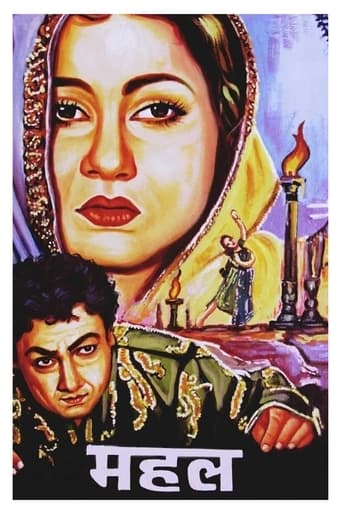
Javed is a poor student who falls in love with Nazparvar. Circumstances force her to marry his cruel cousin instead. Years later, Javed becomes a lawyer and must defend Nazparvar in court when she’s accused of murdering her husband, confronting their shared past and the quest for.
Cast & crew
More films like this
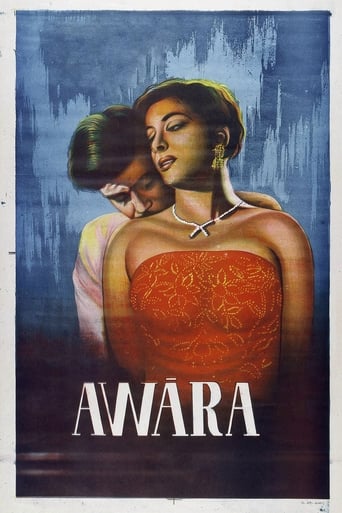
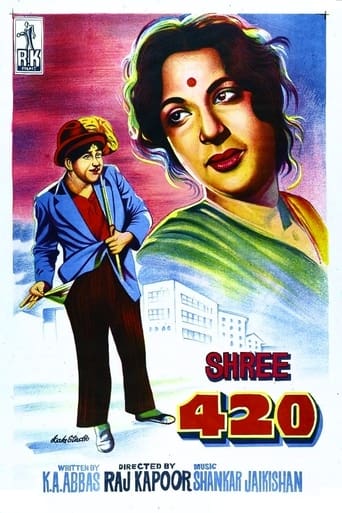
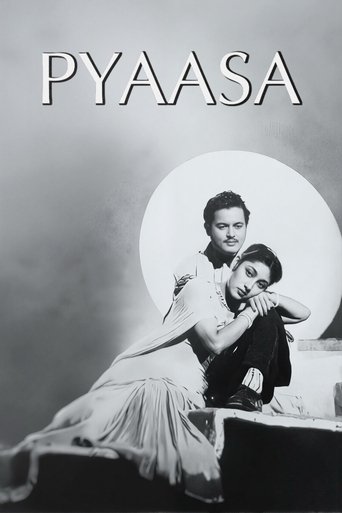
More from Mehboob Khan
View all →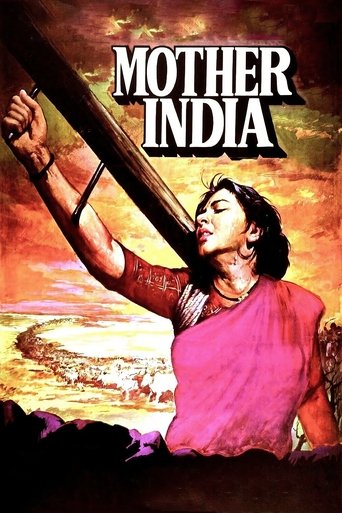

More about this film
About the production
Release date1947
Box officeBox office records from 1947 are incomplete, but the film was reported to be commercially successful in major Indian cities
ProductionMehboob Productions
Filmed inBombay (now Mumbai), India
Elan was filmed during the turbulent period of India's partition, which created significant challenges for the cast and crew. Many cast and crew members were affected by the communal violence and displacement occurring across the country. The film's courtroom scenes were particularly praised for their realistic depiction of legal proceedings in 1940s India. Mehboob Khan, known for his perfectionism, reportedly shot multiple takes of emotional scenes to capture the authentic performances he demanded from his actors.
Themes
Justice and truthLove and sacrificeSocial reformWomen's rightsMoral courage
Themes & topics
courtroom dramalove trianglemurder accusationlawyer protagonistarranged marriageabusive relationshipcollege romancelegal battlesocial injusticerevenge
Historical background
Elan reached theaters around 1947, balancing wartime logistics with demand for escapist programming.
Why this film matters
Elan reflects the range of mid-century production beyond a single national mainstream.
Making of
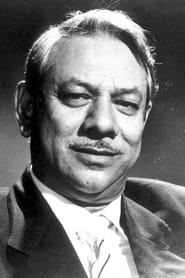
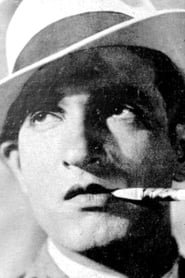
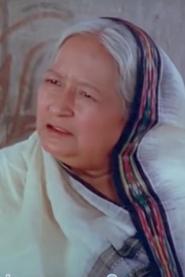
The production of Elan faced numerous challenges due to the political upheaval of 1947. Mehboob Khan, known for his social consciousness, incorporated subtle commentary about justice and women's rights that was ahead of its time. The casting of Surendra as the lead was significant as he was transitioning from a singing star to a serious dramatic actor. The courtroom sequences were meticulously researched, with the production team consulting actual lawyers to ensure authenticity. Munawar Sultana's performance was particularly demanding, requiring her to portray both the innocence of young love and the trauma of an abusive marriage. The film's emotional depth was enhanced by Khan's direction, which encouraged actors to draw from their personal experiences during the partition period.
What critics said
Press notices for Elan (1947) are sparse in digitized sources; interest today rests on preserved prints and comparison with related titles.
Did you know?
- Elan was released in the same year as India gained independence from British rule, making it one of the first major films of independent India
- Director Mehboob Khan would later gain international fame for 'Mother India' (1957), but Elan is considered among his finest early works
- The film's title 'Elan' means 'enthusiasm' or 'zest' in Urdu, reflecting the passionate nature of the story
- Surendra, who played Javed, was also a popular playback singer and sang in several of his films
- The courtroom drama elements in Elan were groundbreaking for Indian cinema at the time and influenced many later legal thrillers
- Munawar Sultana, who played Nazparvar, was one of the highest-paid actresses of the 1940s
- The film was shot using black and white cinematography, which enhanced the dramatic contrast between light and shadow in key scenes
- Elan's release coincided with the partition of India, which affected its distribution in what became Pakistan
- The film's themes of justice and social reform were particularly relevant in newly independent India
- Original prints of Elan are extremely rare, making it a sought-after film among classic cinema collectors
Visual style
Elan's black and white cinematography by Fali Mistry was praised for its dramatic use of light and shadow, particularly in the courtroom scenes where the contrast between truth and deception was visually emphasized. The film employed innovative camera techniques for its time, including close-ups to capture emotional intensity and wide shots to establish the grandeur of the courtroom. The lighting design effectively created mood and atmosphere, using shadows to symbolize the hidden truths and moral ambiguities in the story. The cinematography also captured the elegance of 1940s Indian urban settings, from college campuses to legal chambers, providing a visual record of the period. The technical quality of the photography was notably high for Indian cinema of the era, reflecting Mehboob Khan's commitment to production values.
Innovations
Elan was technically advanced for its time, featuring sophisticated sound recording techniques that ensured clear dialogue in the crucial courtroom scenes. The film's editing, particularly in the trial sequences, created suspense and maintained narrative momentum. The production design authentically recreated 1940s Indian legal environments, contributing to the film's realism. The makeup and costume design effectively showed the passage of time and the transformation of characters over the years. The film's pacing and structure demonstrated mature storytelling techniques that were ahead of many contemporary productions. The technical quality of Elan reflected Mehboob Khan's reputation as a filmmaker who refused to compromise on production values, even during the challenging circumstances of 1947.
Music
The music of Elan was composed by the renowned duo Naushad and Ghulam Mohammad, with lyrics by Shakeel Badayuni. The soundtrack featured several memorable songs that blended classical Indian melodies with contemporary influences. Surendra, the male lead, also contributed as a playback singer, lending his voice to romantic numbers that became popular with audiences. The songs enhanced the narrative progression, with romantic melodies during the college scenes and more somber compositions during the dramatic portions. The background score effectively heightened the tension in courtroom sequences and underscored the emotional moments. While specific song titles from Elan are not widely documented today, contemporary reviews praised the music for its emotional depth and technical quality.
Famous quotes
Justice delayed is justice denied, but truth, however late, always prevails" - Javed in the courtroom
Love does not ask for permission from society, it only seeks acceptance from the heart" - Javed to Nazparvar
In the court of law, evidence speaks louder than emotions, but in the court of life, truth needs no witness" - Defense argument
Sometimes the greatest sacrifice is not giving up love, but fighting for it against all odds" - Narration
Memorable scenes
- The college campus romance sequence where Javed and Nazparvar first meet, beautifully capturing the innocence of young love against the backdrop of pre-independence India
- The dramatic courtroom climax where Javed delivers his passionate defense of Nazparvar, exposing the truth about her abusive marriage
- The emotional reunion scene between Javed and Nazparvar years after their separation, where years of suppressed feelings surface
- The final verdict scene where justice is served and the lovers are finally free to be together, symbolizing hope and renewal
What audiences thought
Elan was well-received by audiences upon its release, particularly in urban centers like Bombay and Calcutta. The film's emotional core and dramatic courtroom scenes resonated strongly with moviegoers of the time. Many viewers related to the themes of injustice and the quest for truth, which were particularly relevant during the uncertain times following independence. The chemistry between Surendra and Munawar Sultana was widely appreciated, contributing to the film's romantic appeal. Despite the challenging circumstances of its release during partition, the film managed to draw significant audiences and completed successful theatrical runs in major cities. Over the decades, Elan has developed a cult following among classic cinema enthusiasts and is remembered fondly by those who saw it during its original release.
Film connections
Influenced by
- Hollywood courtroom dramas of the 1940s
- Indian literary traditions of social reform
- Prevailing social realist movements in world cinema
- Traditional Indian narrative structures
- Mehboob Khan's earlier works on social themes
This film influenced
- Later Indian courtroom dramas including 'Kanoon' (1960)
- Socially relevant films of the 1950s and 1960s
- Films dealing with women's issues in Indian cinema
- Mehboob Khan's own 'Mother India' (1957) in its approach to social themes
Film restoration
Elan is considered partially lost, with only incomplete prints and fragments surviving in various film archives. The National Film Archive of India holds some portions of the film, but a complete restored version is not currently available. Some sequences exist in private collections and have been screened at classic film festivals. The film's preservation status reflects the broader challenge of preserving Indian cinema from the 1940s, many of which have been lost due to inadequate storage facilities and the nitrate decomposition of early film stocks. Efforts are ongoing to locate and preserve remaining footage of this important Mehboob Khan work.
Where to watch
- Occasionally screened at classic Indian cinema festivals and retrospectives
- Available in some specialized film archives and libraries for academic viewing
- Segments may be found in documentary compilations about Mehboob Khan's work
- Not currently available on mainstream streaming platforms due to preservation status