Mehboob Khan
Director
Born: September 9, 1907 in Bilimora, Gujarat, India Died: May 28, 1964 Active: 1935-1964 Birth Name: Mehboob Khan Ramzan Khan
Films
8 films
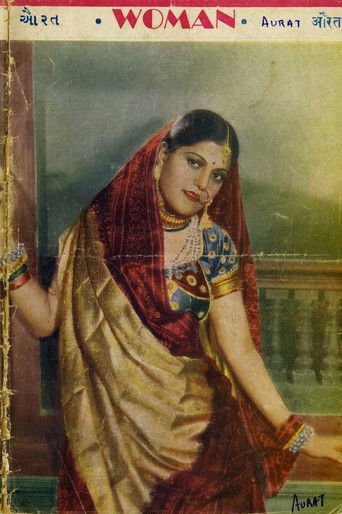

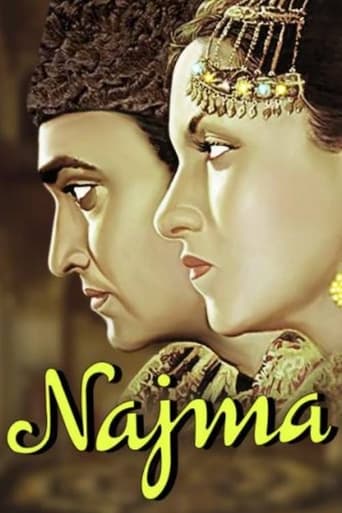

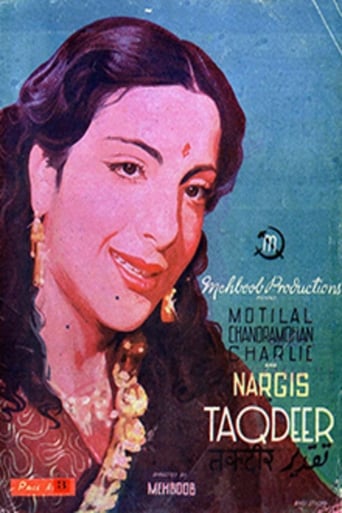
About Mehboob Khan
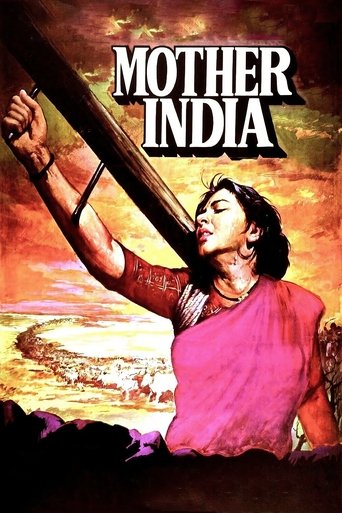
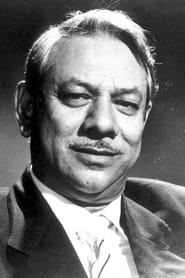
Mehboob Khan was one of India's most influential and film directors during the Golden Age of Indian cinema. Born into humble circumstances, he began his career as an actor in the silent film era before transitioning to directing in the 1930s. His early films established him as a master storyteller with a keen social consciousness, often focusing on themes of rural life, family values, and social justice. Khan founded Mehboob Studios in Mumbai in 1954, which became one of India's most prestigious film production facilities. His magnum opus 'Mother India' (1957) not only became a cultural phenomenon but also represented India at the Academy Awards, marking a significant milestone for Indian cinema on the global stage. Throughout his career, he directed over 25 films, consistently pushing the boundaries of Indian cinema with his grand vision and technical excellence. His work bridged traditional Indian values with modern cinematic techniques, creating a unique style that influenced generations of filmmakers.
The Craft
Behind the Camera
Mehboob Khan was known for his grand, epic style of filmmaking characterized by sweeping cinematography, elaborate sets, and powerful emotional narratives. He masterfully blended social realism with melodramatic elements, often focusing on themes of rural life, family bonds, and moral dilemmas. His direction emphasized strong character development, particularly complex female protagonists who embodied traditional virtues while facing modern challenges. Khan's visual storytelling incorporated both Indian theatrical traditions and contemporary cinematic techniques, creating a distinctive aesthetic that elevated Indian cinema to international standards.
Milestones
- Transitioned from actor to director in 1935
- Founded Mehboob Studios in 1954
- Directed 'Mother India' (1957), India's first Oscar submission
- Pioneered large-scale production values in Indian cinema
- Won multiple Filmfare Awards for Best Director
Best Known For
Must-See Films
Accolades
Won
- Filmfare Award for Best Director for 'Mother India' (1958)
- Filmfare Award for Best Director for 'Madhumati' (1959)
- President's Medal for 'Mother India'
Nominated
- Academy Award nomination for Best Foreign Language Film for 'Mother India' (1958)
- Filmfare Award for Best Director for 'Aan' (1953)
- Filmfare Award for Best Director for 'Andaz' (1950)
Special Recognition
- Dadasaheb Phalke Award (posthumously in 1965)
- Mehboob Studios named in his honor
- Multiple retrospectives at international film festivals
Working Relationships
Worked Often With
Studios
Why They Matter
Impact on Culture
Mehboob Khan revolutionized Indian cinema by elevating its technical standards and artistic ambitions to international levels. His film 'Mother India' became a cultural touchstone that defined Indian identity for both domestic and global audiences, presenting a complex vision of rural India that balanced tradition with progress. Khan's focus on strong female protagonists challenged patriarchal norms and helped shape the archetype of the Indian mother figure in popular culture. His establishment of Mehboob Studios created a professional infrastructure that supported the growth of the Indian film industry, providing training grounds for countless technicians, actors, and directors. Through his grand cinematic vision, Khan demonstrated that Indian stories could have universal appeal, paving the way for future Indian filmmakers to seek international recognition.
Lasting Legacy
Mehboob Khan's legacy endures through his timeless films that continue to be studied and celebrated for their artistic merit and cultural significance. He is remembered as a visionary who transformed Indian cinema from a regional industry to an art form capable of global recognition. His studio remains operational as a historic landmark in Mumbai, serving as a reminder of his contributions to Indian cinema. The themes and techniques he pioneered continue to influence contemporary Indian filmmakers, with many citing his work as inspiration for their own artistic endeavors. Khan's ability to blend entertainment with social commentary set a precedent for meaningful cinema in India, establishing a tradition of socially conscious filmmaking that persists today.
Who They Inspired
Mehboob Khan influenced generations of Indian directors including Satyajit Ray, Raj Kapoor, and Mani Ratnam, who admired his ability to create commercially successful films with artistic depth. His grand visual style and narrative techniques became reference points for epic filmmaking in India. International directors like David Lean and Federico Fellini reportedly admired 'Mother India' for its emotional power and technical achievement. Khan's emphasis on production values and professional standards raised the bar for the entire Indian film industry, influencing how films were produced, marketed, and distributed. His success with 'Mother India' at the Oscars opened doors for future Indian films to compete internationally, inspiring directors like Mira Nair and Deepa Mehta to seek global audiences for their Indian stories.
Off Screen
Mehboob Khan married twice during his lifetime. His first marriage was to Bibi, with whom he had several children. After her death, he married actress Sardar Akhtar, who starred in several of his films including 'Aurat' and 'Taqdeer'. Khan was known for his dedication to cinema and often invested his personal fortune into his films, sometimes facing financial difficulties as a result. Despite his success, he maintained a humble lifestyle and was respected for his integrity and commitment to social causes through his cinema.
Education
Limited formal education; largely self-taught in filmmaking through practical experience
Family
- Bibi (1925-1945)
- Sardar Akhtar (1945-1964)
Did You Know?
- 'Mother India' was India's first-ever submission for the Academy Award for Best Foreign Language Film
- The film was actually a remake of Khan's earlier 1940 film 'Aurat'
- Mehboob Khan mortgaged his home and studio to finance 'Mother India'
- He started his career as a junior artist earning only 15 rupees per month
- The iconic final scene in 'Mother India' where Nargis kills her son was shot in a single take
- Khan discovered and launched the career of actress Nargis
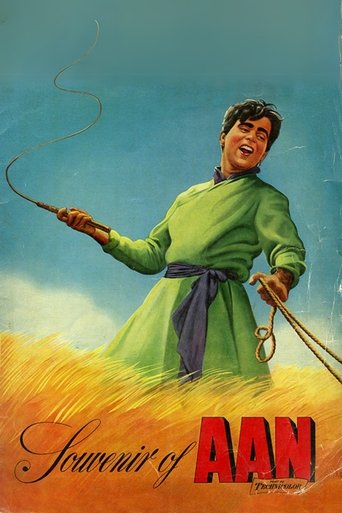
- He was one of the first Indian directors to use Technicolor for 'Aan' (1952)
- Mehboob Studios was built on the grounds where Gandhi had once held prayer meetings
- Khan was known for his meticulous attention to detail, sometimes shooting a scene 50-60 times
- Despite his success, he remained deeply religious and often began his day with prayers
- His films were known for their powerful social messages about poverty, family values, and women's empowerment
In Their Own Words
Cinema is not just entertainment, it's a powerful medium for social change
I want to make films that touch the heart and awaken the conscience
A good film should make you laugh, cry, and think - all at the same time
The camera is my pen, and the screen is my canvas
I don't make films for awards, I make them for the people
Every frame should tell a story, every dialogue should have meaning
Frequently Asked Questions
Who was Mehboob Khan?
Indian on YTB.my. He is considered.
What films is Mehboob Khan best known for?
Titles linked here include Mother India (1957), Aan (1952).
When was Mehboob Khan born and when did he die?
Born September 9, 1907; died May 28, 1964.
What awards did Mehboob Khan win?
Mehboob Khan won the Filmfare Award for Best Director for 'Mother India' in 1958. He also received the President's Medal for 'Mother India' and was posthumously awarded the Dadasaheb Phalke Award in 1965, India's highest honor in cinema. His film 'Mother India' was also nominated for the Academy Award for Best Foreign Language Film.
What was Mehboob Khan's directing style?
Mehboob Khan was known for his grand, epic directing style characterized by sweeping cinematography, elaborate sets, and powerful emotional narratives. He masterfully blended social realism with melodrama, often focusing on themes of rural life, family values, and women's empowerment. His films featured strong character development, particularly complex female protagonists, and incorporated both Indian theatrical traditions and contemporary cinematic techniques.