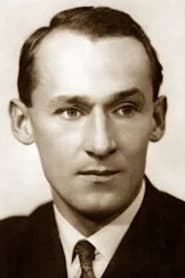
Nikolai Chaplygin
Actor
Born: 1903 in Moscow, Russian Empire Died: 1947 Active: 1937-1946 Birth Name: Nikolai Ivanovich Chaplygin
Films
3 films
About Nikolai Chaplygin
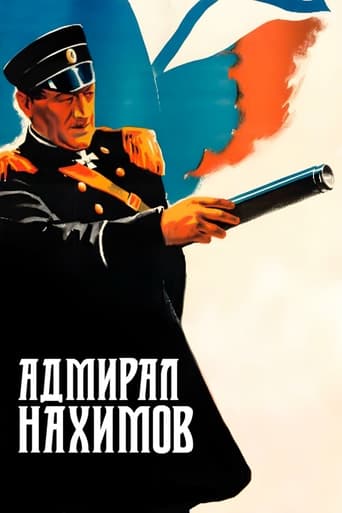
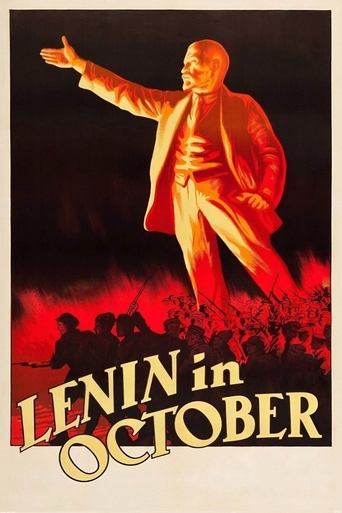
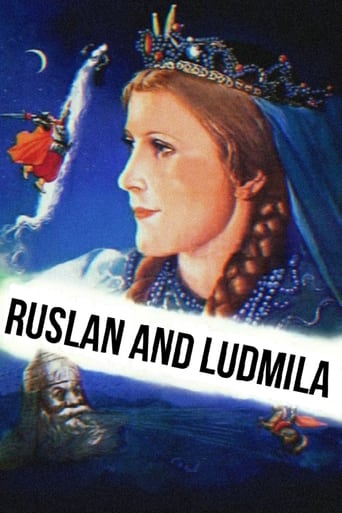
Made significant contributions to Russian cinema during the Stalinist era. His career, though relatively brief from 1937 to 1946, coincided with a pivotal period in Soviet filmmaking when cinema was used as a powerful tool for political and cultural messaging. Chaplygin appeared in several historically significant films that helped shape Soviet cinematic identity, including the propaganda masterpiece 'Lenin in October' which portrayed the Bolshevik Revolution. His role in 'Ruslan and Ludmila' (1939) showcased his versatility in literary adaptations, while his performance in 'Admiral Nakhimov' (1946) demonstrated his ability to embody historical military figures during wartime cinema. Chaplygin's work reflected the socialist realist aesthetic that dominated Soviet arts, characterized by heroic portrayals and ideological clarity. Though his filmography was limited, his performances in these major productions cemented his place in the annals of classic Soviet cinema.
The Craft
On Screen
Chaplygin embodied the socialist realist acting style prevalent in Soviet cinema, characterized by clear, deliberate gestures and strong, declarative delivery that emphasized ideological clarity over psychological complexity. His performances were marked by a theatrical grandeur that translated well to the epic historical dramas in which he typically appeared. Chaplygin specialized in portraying archetypal figures - revolutionaries, military leaders, and historical personages - with a dignified, almost monumental presence that served the propagandistic purposes of Soviet cinema.
Milestones
- Breakthrough role in 'Lenin in October' (1937)
- Performance in the literary adaptation 'Ruslan and Ludmila' (1939)
- Final major role in 'Admiral Nakhimov' (1946)
Best Known For
Iconic Roles
Must-See Films
Accolades
Won
- Stalin Prize (posthumously, 1948)
Nominated
- Order of the Red Banner of Labour (1944)
Special Recognition
- Honored Artist of the RSFSR (1943)
Working Relationships
Worked Often With
Studios
Why They Matter
Impact on Culture
Nikolai Chaplygin contributed significantly to the development of Soviet cinema's visual language during a crucial period of its history. His performances helped establish the archetype of the Soviet historical hero on screen, influencing how subsequent generations of actors would approach similar roles. Chaplygin's work in films like 'Lenin in October' became part of the official cinematic canon that was shown to Soviet audiences for decades, shaping public understanding of revolutionary history. His embodiment of socialist realist ideals in performance demonstrated how acting could serve as a vehicle for ideological education, a concept that influenced Soviet film training and production practices throughout the Cold War era.
Lasting Legacy
Chaplygin's legacy endures through his contributions to classic Soviet cinema, particularly in the genre of historical epic films. Though his career was relatively short and he died before reaching his full potential as an actor, his performances in landmark films continue to be studied by film scholars examining the relationship between art and politics in the Soviet Union. His posthumous recognition with the Stalin Prize underscored the cultural significance of his work within the Soviet system. Today, Chaplygin is remembered as a representative figure of his era, embodying the artistic values and political commitments that defined Soviet cinema during the Stalinist period.
Who They Inspired
Chaplygin's approach to portraying historical figures influenced subsequent generations of Soviet actors who specialized in similar roles. His work demonstrated how theatrical techniques could be effectively adapted to the screen for maximum ideological impact, a methodology that was incorporated into Soviet film training programs. Younger actors studying at Soviet film institutes in the 1950s and 1960s often analyzed his performances as examples of successful socialist realist acting, particularly his ability to balance individual character development with collective ideological messaging.
Off Screen
Nikolai Chaplygin led a relatively private life away from the public eye, which was typical for Soviet actors of his generation who were expected to maintain modest, ideologically sound personal conduct. He was known to be deeply committed to the communist cause and participated in various cultural committees that promoted Soviet values through the arts. His life was cut short at the age of 44, just after completing his final film, during a period when many Soviet artists faced political pressures and uncertainties.
Education
Moscow Art Theatre School (graduated 1926)
Family
- Anna Chaplygina (married 1928-1947)
Did You Know?
- Chaplygin was one of the few actors to work with both Mikhail Romm and Vsevolod Pudovkin, two of Soviet cinema's most influential directors
- His role in 'Lenin in October' was originally intended for another actor who fell ill just before filming began
- Chaplygin studied under the influence of Konstantin Stanislavski's system at Moscow Art Theatre
- He was known for his meticulous research into historical characters before portraying them on screen
- His final film 'Admiral Nakhimov' was released posthumously after his death in 1947
- Chaplygin — member of the Communist Party from 1932, which was relatively early for an actor of his generation
- He served briefly in the Soviet army during World War II while maintaining his film career
- His son Sergei later became a documentary filmmaker, continuing the family's connection to cinema
- Chaplygin was known for his distinctive deep voice, which made him particularly effective in propaganda films
- He often performed in theatrical productions alongside his film work, maintaining connections to stage acting throughout his career
In Their Own Words
The actor's duty is not just to entertain, but to educate and inspire the Soviet people toward our great communist future.
When I play a historical figure, I feel I am giving voice to those who built our socialist motherland.
Cinema is the most powerful weapon we have for spreading revolutionary consciousness among the masses.
Frequently Asked Questions
Who was Nikolai Chaplygin?
Screen credits include several significant Soviet films including 'Lenin in October' and 'Admiral Nakhimov'. He was known for his portrayals of historical and revolutionary figures in socialist realist cinema.
What films is Nikolai Chaplygin best known for?
Titles linked here include Lenin in October (1937), Ruslan and Ludmila (1939).
When was Nikolai Chaplygin born and when did he die?
Born 1903; died 1947.
What awards did Nikolai Chaplygin win?
Chaplygin received the Stalin Prize posthumously in 1948, was named an Honored Artist of the RSFSR in 1943, and was nominated for the Order of the Red Banner of Labour in 1944.
What was Nikolai Chaplygin's acting style?
Chaplygin embodied the socialist realist acting style characterized by theatrical grandeur, clear gestures, and strong delivery that emphasized ideological clarity. He specialized in portraying historical and revolutionary figures with monumental presence.