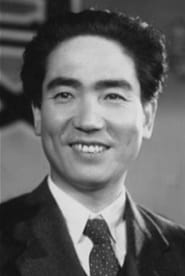
Ryūnosuke Tsukigata
Actor
Born: December 15, 1902 in Tokyo, Japan Died: July 30, 1970 Active: 1943-1949
Films
2 films
About Ryūnosuke Tsukigata
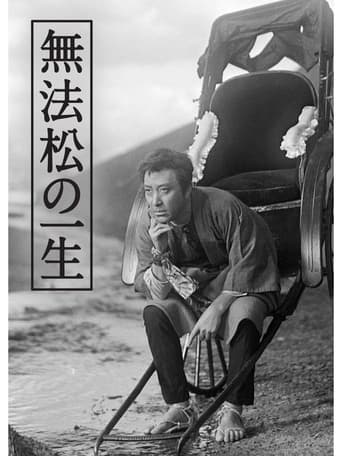
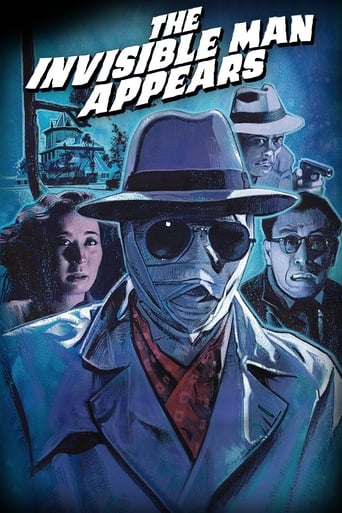
Japanese actor who rose to prominence during the tumultuous period of World War II and its aftermath in Japanese cinema. Beginning his career in the early 1940s, Tsukigata quickly established himself as a versatile character actor capable of portraying both dramatic and genre roles. His performance in 'The Life of Matsu the Untamed' (1943) showcased his ability to embody complex, rebellious characters during a time when Japanese cinema was heavily influenced by wartime propaganda. Following the war, Tsukigata successfully transitioned to the emerging science fiction genre with his role in 'The Invisible Man Appears' (1949), one of Japan's earliest science fiction films. His relatively brief but impactful the critical transition period in Japanese film history, from wartime restrictions to the creative explosion of the late 1940s. Though his filmography was limited, Tsukigata's work in these landmark films has earned him a place in the annals of classic Japanese cinema as a representative actor of his era.
The Craft
On Screen
Tsukigata was known for his intense, naturalistic acting style that balanced traditional Japanese theatrical influences with emerging realist techniques. His performances often conveyed deep emotional complexity through subtle gestures and expressions, particularly effective in portraying characters struggling against societal constraints. In wartime films, he managed to imbue his roles with humanistic touches that transcended the propaganda requirements of the period.
Milestones
- Starred in 'The Life of Matsu the Untamed' (1943)
- Appeared in sci-fi film 'The Invisible Man Appears' (1949)
- Worked during critical transition period in Japanese cinema
- Represented character acting style of 1940s Japanese film
Best Known For
Iconic Roles
Must-See Films
Accolades
Special Recognition
- Recognized as a significant character actor of 1940s Japanese cinema
- Noted for contributions to early Japanese science fiction cinema
Working Relationships
Worked Often With
Studios
Why They Matter
Impact on Culture
Ryūnosuke Tsukigata represents an important transitional figure in Japanese cinema, bridging the gap between wartime propaganda films and the creative renaissance that followed World War II. His work in 'The Life of Matsu the Untamed' exemplified the type of character-driven narratives that could be produced under wartime restrictions while still maintaining artistic integrity. His participation in 'The Invisible Man Appears' positioned him as an early contributor to what would become Japan's significant science fiction tradition, predating the golden age of kaiju films. Though not a major star, Tsukigata's career exemplifies the journey of many character actors who helped maintain the artistic quality of Japanese cinema during its most challenging periods.
Lasting Legacy
Tsukigata's legacy lies in his contribution to two distinct but important genres in Japanese film history: the wartime drama and early science fiction. His performances serve as valuable examples of how actors navigated the political and artistic challenges of making cinema during the 1940s in Japan. Film historians and classic cinema enthusiasts recognize his work as representative of the quality and depth of character acting during this pivotal era, helping to preserve the artistic traditions of Japanese cinema through periods of intense social and political upheaval.
Who They Inspired
While not widely known as an influential figure who mentored other actors, Tsukigata's naturalistic acting style and ability to work across genres demonstrated the versatility required of character actors during the 1940s. His successful transition from wartime dramas to post-war science fiction showed younger actors how to adapt to changing cinematic landscapes and audience preferences. His work in early Japanese science fiction helped pave the way for the genre's explosion in the 1950s with films like 'Godzilla' (1954).
Off Screen
Ryūnosuke Tsukigata lived through. His career coincided with dramatic changes in Japanese society and its film industry. Details about his personal life remain relatively scarce, as was common for character actors of his era who often worked outside the mainstream spotlight.
Education
Information about formal education not readily available, likely received traditional training in acting techniques common to Japanese actors of his generation
Family
- Information not publicly available
Did You Know?
- 'The Invisible Man Appears' (1949) was one of the first Japanese science fiction films and predated the more famous 'Godzilla' by five years
- Tsukigata worked during a period when Japanese film studios were under strict government control during WWII
- His film 'The Life of Matsu the Untamed' was produced during the height of wartime film production in Japan
- The 1940s was a decade of dramatic change in Japanese cinema, transitioning from wartime to occupation-era filmmaking
- Character actors like Tsukigata were essential to maintaining film quality during periods when many major stars were serving in the military
- Science fiction was a relatively new genre in Japan when Tsukigata appeared in 'The Invisible Man Appears'
- Many Japanese actors of his generation had to adapt their acting styles as Western influences returned to Japanese cinema after WWII
- The relatively short span of his known filmography (1943-1949) was typical for many character actors whose careers were disrupted by war
In Their Own Words
Information about specific quotes from Ryūnosuke Tsukigata is not readily available in documented sources
Frequently Asked Questions
Who was Ryūnosuke Tsukigata?
Japanese character with credits in this catalog. He worked during a critical transition period in Japanese cinema, from wartime restrictions through the post-war occupation era.
What films is Ryūnosuke Tsukigata best known for?
Titles linked here include The Life of Matsu the Untamed (1943), The Invisible Man Appears (1949).
When was Ryūnosuke Tsukigata born and when did he die?
Born December 15, 1902; died July 30, 1970.
What awards did Ryūnosuke Tsukigata win?
There are no documented major awards or nominations specifically recorded for Ryūnosuke Tsukigata in available historical sources. Like many character actors of his era, his contributions were primarily recognized through his consistent work and the lasting impact of his films rather than formal accolades.
What was Ryūnosuke Tsukigata's acting style?
Tsukigata was known for his naturalistic, intense acting style that balanced traditional Japanese theatrical influences with emerging realist techniques. He excelled at portraying complex emotional states through subtle expressions and was particularly effective in roles depicting characters struggling against societal constraints.
How did Ryūnosuke Tsukigata contribute to Japanese cinema?
Tsukigata contributed to Japanese cinema by maintaining artistic quality during difficult wartime and post-war periods, helping bridge the gap between propaganda-era films and the creative renaissance that followed. His work in early science fiction also helped establish foundations for Japan's later dominance in the genre.
Was Ryūnosuke Tsukigata a major star in Japan?
Tsukigata was primarily a character actor rather than a major star, which was typical for many performers of his generation. While not a household name, he was respected for his versatility and ability to work across different genres during a challenging period for Japanese filmmakers.