Sergey Vasilev
Director
Born: November 4, 1900 in Moscow, Russian Empire (now Russia) Died: December 16, 1959 Active: 1928-1959 Birth Name: Sergey Dmitrievich Vasilyev
Films
2 films
About Sergey Vasilev
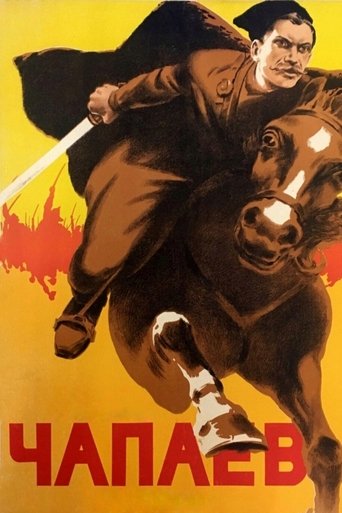
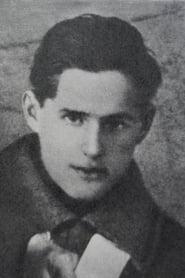
Sergey Dmitrievich Vasilyev was a Soviet film director who, together with his brother Georgy Vasilyev, formed the directing duo known as the Vasilyev brothers. Born in Moscow in 1900, he studied at the State Technical School of Cinematography before embarking on a career that would help define Soviet cinema's golden age. The brothers' collaboration produced some of the most celebrated films in Soviet history, with their 1934 masterpiece 'Chapayev' becoming a cultural phenomenon that transcended cinema to become part of Soviet collective consciousness. Their films were masterpieces of socialist realism, combining epic storytelling with ideological messages that resonated deeply with Soviet audiences. After Georgy's death in 1946, Sergey continued directing independently, though he never quite recaptured the magic of their partnership. He also served as a respected professor at VGIK, mentoring future generations of Soviet filmmakers and shaping Soviet film education. He worked through the crucial formative decades of Soviet cinema, from the early sound era through the Stalinist period and into the post-war years.
The Craft
Behind the Camera
The Vasilyev brothers developed a distinctive directing style that epitomized socialist realism, characterized by epic historical narratives, heroic portrayals of Soviet figures, and masterful blending of individual human stories with broader historical movements. Their films featured dynamic action sequences, particularly battle scenes, while maintaining strong character development and emotional resonance. They employed innovative camera techniques and editing styles that emphasized the collective spirit and revolutionary zeal central to Soviet ideology. Their visual aesthetic combined documentary-like realism with dramatic, almost mythic storytelling, creating films that were both politically significant and artistically compelling.
Milestones
- Co-directed 'Chapayev' (1934),
- Formed the legendary Vasilyev Brothers directing duo with brother Georgy
- Won multiple Stalin Prizes for cinematic achievements
- Served as professor at VGIK, mentoring future Soviet filmmakers
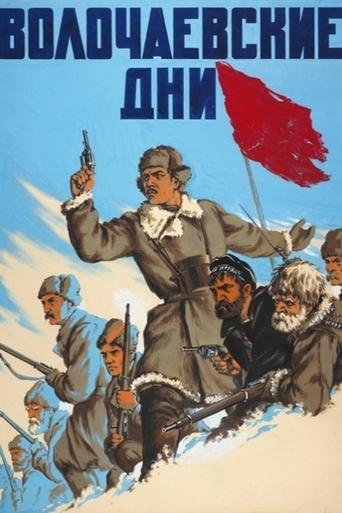
- Directed 'The Defense of Volotchayevsk' (1937), another Soviet classic
- Pioneered the socialist realist style in Soviet cinema
Best Known For
Must-See Films
Accolades
Won
- Stalin Prize (1941) for 'Chapayev'
- Stalin Prize (1942) for 'The Defense of Volotchayevsk'
- Stalin Prize (1950) for 'The Village Doctor'
- Order of Lenin
- Order of the Red Banner of Labour
Nominated
- Venice International Film Festival - Mussolini Cup nomination (1934) for 'Chapayev'
Special Recognition
- People's Artist of the USSR (1948)
- Honored Artist of the RSFSR
- Professor at Gerasimov Institute of Cinematography (VGIK)
Working Relationships
Worked Often With
Studios
Why They Matter
Impact on Culture
The Vasilyev brothers, particularly through 'Chapayev,' created a cultural touchstone that transcended cinema to become part of Soviet national identity. Their films helped establish the visual and narrative language of socialist realism, influencing generations of Soviet filmmakers. 'Chapayev' became so embedded in Soviet culture that characters, phrases, and situations from the film entered everyday language and became common cultural references. The film's portrayal of the Russian Civil War hero created an enduring archetype of the revolutionary folk hero that influenced Soviet literature, theater, and visual arts for decades. Their work demonstrated how cinema could serve both artistic and ideological purposes, setting a template for state-sponsored filmmaking that would influence other socialist countries.
Lasting Legacy
Sergey Vasilyev's legacy is primarily tied to his role in creating some of the most influential films in Soviet cinema history. As part of the Vasilyev brothers, he helped establish the conventions of Soviet historical epic filmmaking and contributed to the development of socialist realism as a cinematic style. His teaching at VGIK ensured that his approach to filmmaking influenced multiple generations of Soviet directors. The continued study and reference to 'Chapayev' in film schools and cultural discussions demonstrates the lasting impact of his work. While less remembered individually than as part of the brotherly duo, his contributions to Soviet film education and his role in mentoring future filmmakers cement his place in cinema history.
Who They Inspired
The Vasilyev brothers' approach to combining historical epics with personal drama influenced Soviet filmmakers throughout the Stalinist and post-Stalinist periods. Their techniques for depicting battle scenes and mass movements were studied and emulated by subsequent directors. Their success in creating films that satisfied both artistic and ideological requirements provided a model for other Soviet filmmakers working within the state system. Through his teaching at VGIK, Vasilyev directly influenced directors who would become major figures in Soviet cinema, including those who would later challenge and expand beyond the socialist realist tradition. Their work also influenced filmmakers in other socialist countries who looked to Soviet cinema as a model.
Off Screen
Sergey Vasilyev was married to prominent Soviet actress Valentina Serova from 1940 to 1947. Their marriage was highly publicized in Soviet media as a union of two major cultural figures. The couple divorced in 1947, and Serova later married Konstantin Simonov. Vasilyev's personal life was relatively private compared to his professional prominence, and he focused much of his energy on his work and teaching at VGIK. He was known among colleagues as a dedicated professional who took his role in shaping Soviet cinema very seriously.
Education
State Technical School of Cinematography (graduated 1928)
Family
- Valentina Serova (1940-1947)
Did You Know?
- 'Chapayev' was reportedly Stalin's favorite film and he watched it over 20 times
- The film was so popular that Chapayev became a common nickname for Soviet soldiers during WWII
- The Vasilyev brothers were not actually brothers - this was a professional partnership name
- Boris Babochkin's portrayal of Chapayev became so iconic that typecast him for the rest of his career
- The famous scene of Chapayev crossing the Ural River on horseback became
- The brothers' partnership ended with Georgy's sudden death in 1946
- Their films were among the few Soviet films that received international distribution in the 1930s
- The Vasilyev brothers invented a special camera technique for filming battle scenes that was later adopted by other Soviet directors
- Despite being Soviet propaganda, their films were praised internationally for their technical innovation
- The character of Petka from 'Chapayev' became a beloved comic character in Soviet culture
In Their Own Words
We don't make films about people, we make films with people
The camera must serve the revolution as the rifle serves the soldier
Every frame must carry the weight of history
In socialist cinema, the individual and the collective are one
Our task is not just to entertain, but to forge the Soviet soul
Frequently Asked Questions
Who was Sergey Vasilev?
Prominent Soviet on YTB.my. They were best known for their 1934 film 'Chapayev,' which became.
What films is Sergey Vasilev best known for?
Titles linked here include Chapayev (1934), The Defense of Volotchayevsk (1937).
When was Sergey Vasilev born and when did he die?
Born November 4, 1900; died December 16, 1959.
What awards did Sergey Vasilev win?
Sergey Vasilev won multiple Stalin Prizes for his films, including awards for 'Chapayev' (1941), 'The Defense of Volotchayevsk' (1942), and 'The Village Doctor' (1950). He was also named People's Artist of the USSR in 1948 and received the Order of Lenin and Order of the Red Banner of Labour for his contributions to Soviet cinema.
What was Sergey Vasilev's directing style?
Vasilyev's directing style, developed with his brother, epitomized socialist realism with epic historical narratives, heroic portrayals of Soviet figures, and masterful battle scenes. Their films combined documentary-like realism with dramatic, almost mythic storytelling, creating works that served both artistic and ideological purposes while maintaining emotional resonance with audiences.