Films
2 films
About Yōko Umemura
Japanese actress who had a brief but memorable career during the golden age of Japanese cinema in the 1930s. She is best known for her collaborations with acclaimed director Kenji Mizoguchi, appearing in two of his most significant works from 1936. Her performances in 'Sisters of the Gion' and 'Osaka Elegy' showcased her ability to portray complex female characters struggling against societal constraints in pre-war Japan. Despite her limited filmography, Umemura's work captured the essence of the modern Japanese woman facing the challenges of industrialization and changing social mores. Her career, though brief, coincided with a pivotal period in Japanese cinema when directors were beginning to explore more realistic and socially conscious themes. After 1936, she appears to have disappeared from the film industry, leaving behind a small but significant legacy in two of Japan's most important cinematic works.
The Craft
On Screen
Umemura's acting style embodied the naturalistic approach that Mizoguchi favored, characterized by subtle emotional expression and realistic portrayal of women's struggles in modern Japanese society. Her performances demonstrated a remarkable ability to convey inner turmoil and resilience through minimal gestures and facial expressions, typical of the emerging realist style in Japanese cinema.
Milestones
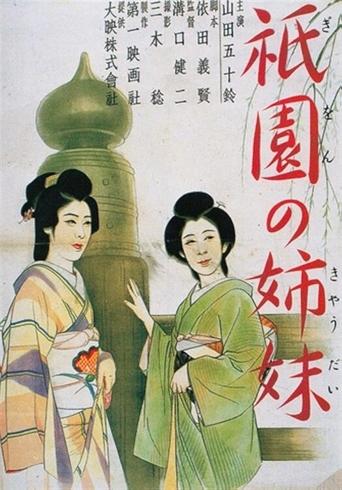
- Starred in Kenji Mizoguchi's 'Sisters of the Gion' (1936)
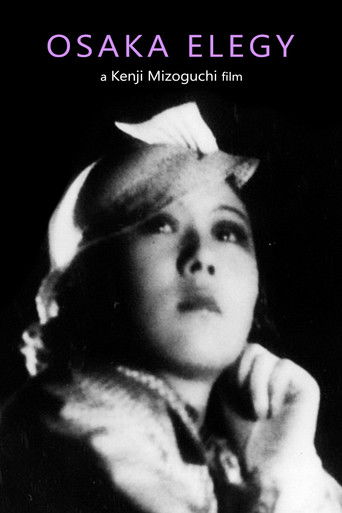
- Appeared in 'Osaka Elegy' (1936)
- Participated in two of the most important Japanese films of the 1930s
Best Known For
Iconic Roles
Must-See Films
Working Relationships
Worked Often With
Studios
Why They Matter
Impact on Culture
Yōko Umemura's contribution to Japanese cinema, though brief, is significant through her participation in two of Kenji Mizoguchi's most important early works. These films were groundbreaking in their portrayal of women's issues and social criticism in pre-war Japan, helping establish the realist tradition that would define much of Japanese cinema's golden age. Her performances, while not leading roles, contributed to the ensemble that brought these socially conscious stories to life during a period when Japanese cinema was developing its distinct artistic voice.
Lasting Legacy
Umemura's legacy is intrinsically tied to the preservation and study of Mizoguchi's early masterpieces. While her own career was ephemeral, her work survives as part of films that continue to be studied and admired by film scholars and enthusiasts worldwide. These films represent crucial stepping stones in the development of Japanese cinema's international reputation and its exploration of social themes.
Who They Inspired
As a supporting actress in only two films, Yōko Umemura's direct influence on subsequent performers is difficult to trace. However, her work contributed to the foundation of realistic acting styles that would become characteristic of Japanese cinema, influencing generations of actors who followed in the tradition of naturalistic performance established in films like 'Sisters of the Gion' and 'Osaka Elegy'.
Off Screen
Very little is known about Yōko Umemura's personal life, as she appeared in only two films before disappearing from the public record. Her brief career and subsequent absence from film industry records suggest she may have been a temporary actress or left the profession shortly after her debut.
Did You Know?
- Appeared in two of the most critically acclaimed Japanese films of 1936
- Both of her known films were directed by the legendary Kenji Mizoguchi
- Her entire known filmography consists of just two films released in the same year
- Both films she appeared in were produced by Daiichi Eiga studio
- Her films are considered masterpieces of Japanese cinema and are regularly screened in film retrospectives worldwide
- She worked alongside renowned actress Isuzu Yamada in both films
- Her career coincided with a pivotal period when Japanese cinema was transitioning towards more socially conscious themes
- Both films explore the struggles of women in modernizing Japanese society
- Despite her brief career, her films are preserved and studied as important cultural artifacts
- Her disappearance from film after 1936 remains a mystery in cinema history
Frequently Asked Questions
Who was Yōko Umemura?
Japanese actress active in 1936, known for appearing in two of Kenji Mizoguchi's most important films, 'Sisters of the Gion' and 'Osaka Elegy'. Her career was extremely brief but significant due to her participation in these groundbreaking works of Japanese cinema.
What films is Yōko Umemura best known for?
Titles linked here include Sisters of the Gion (1936), Osaka Elegy (1936).
When was Yōko Umemura born and when did she die?
Unfortunately, specific birth and death dates for Yōko Umemura are not available in historical records. Her only known film work dates from 1936, after which she appears to have disappeared from the film industry entirely.
What awards did Yōko Umemura win?
There are no records of Yōko Umemura receiving any formal awards or nominations during her brief career. However, the films she appeared in have received numerous accolades and are recognized as classics of world cinema.
What was Yōko Umemura's acting style?
Umemura's acting style reflected the naturalistic, realist approach favored by director Kenji Mizoguchi. Her performances were characterized by subtle emotional expression and realistic portrayals of women facing social and economic challenges in 1930s Japan.