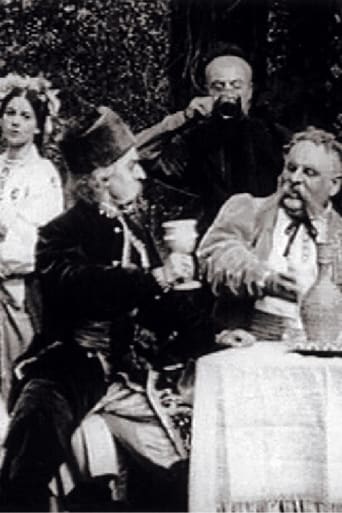

Films
4 films
About Vasili Stepanov
Actor in the early Russian silent film era, active during the foundational years of Russian cinema from 1909 to 1912. He emerged as a notable performer during a period when Russian cinema was establishing its artistic identity, working with some of the country's earliest film directors. Stepanov's career, though brief, coincided with the golden age of pre-revolutionary Russian cinema, when filmmakers were adapting literary classics and developing uniquely Russian cinematic styles. His performances in films like 'Mazeppa' (1909) and 'Mermaid' (1910) demonstrated his ability to embody complex literary characters during an era when acting techniques were transitioning from theatrical to cinematic styles. Stepanov worked primarily with the production companies that dominated early Russian cinema, including Khanzhonkov and Drankov studios, which were instrumental in establishing Russia's film industry. His filmography, though limited to just a few years, represents some of the earliest examples of Russian narrative cinema and literary adaptations on screen. Like many actors of this period, Stepanov's career was likely impacted by the political upheavals that would soon transform Russian society and its film industry.
The Craft
On Screen
Stepanov's acting style reflected the transitional period from theatrical to cinematic performance, characteristic of early Russian silent film actors. His performances likely incorporated the exaggerated gestures and facial expressions necessary for silent film communication, while beginning to develop the more subtle techniques that would later define cinematic acting. Working in literary adaptations, he would have needed to convey complex character motivations primarily through physical performance and pantomime.
Milestones
- Starred in 'Mazeppa' (1909), one of the earliest Russian literary adaptations
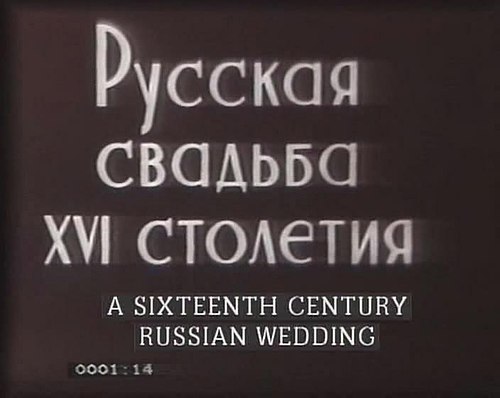
- Appeared in 'A Sixteenth Century Russian Wedding' (1909), showcasing early Russian historical cinema
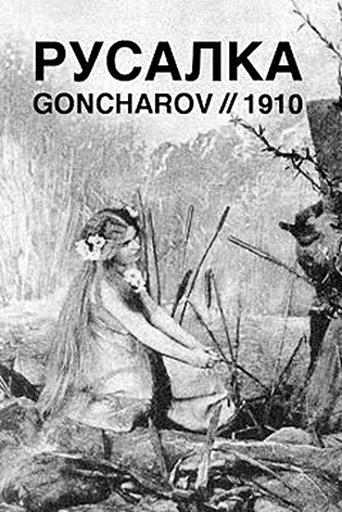
- Featured in 'Mermaid' (1910), based on Pushkin's work
- Participated in 'The Robber Brothers' (1912), demonstrating range in genre films
- Contributed to the foundational period of Russian silent cinema
Best Known For
Iconic Roles
Must-See Films
Accolades
Special Recognition
- Recognized as an actor in early Russian silent cinema
- Contributor to the foundation of Russian film industry
Working Relationships
Worked Often With
Why They Matter
Impact on Culture
Vasili Stepanov contributed to the cultural development of Russian cinema during its formative years, helping establish the tradition of literary adaptations that would become a hallmark of Russian filmmaking. His work in films like 'Mazeppa' and 'Mermaid' helped demonstrate how classic Russian literature could be successfully translated to the screen, influencing future generations of Russian filmmakers. As an actor during this period, he participated in creating the visual language and performance styles that would define Russian silent cinema.
Lasting Legacy
Stephanov's legacy lies in his contribution to the earliest years of Russian narrative cinema, particularly in literary adaptations. Though his career was brief and occurred over a century ago, his films represent important artifacts from the dawn of Russian filmmaking. His performances helped establish the acting techniques and character archetypes that would influence subsequent Russian cinema, particularly in the adaptation of classic literature to film.
Who They Inspired
As an early pioneer, Stepanov's work influenced the development of acting styles in Russian silent cinema, particularly in the approach to literary adaptations. His performances in early Russian films helped establish conventions for how classic literary characters should be portrayed on screen, influencing subsequent generations of Russian actors and directors working with literary source material.
Off Screen
Very limited information is available about Vasili Stepanov's personal life, which is typical for actors from this very early period of Russian cinema. Many records from this era were lost during the political upheavals of the early 20th century, including the Russian Revolution and subsequent events.
Did You Know?
- Worked during the very beginning of Russian cinema's narrative film period
- Participated in adapting classic Russian literature to film
- His active years covered only four years but covered the foundational period of Russian cinema
- Appeared in films based on works by Pushkin and other Russian literary giants
- Worked before the Russian Revolution that would transform Russian cinema
- His films are among the earliest examples of Russian narrative cinema
- Likely transitioned from theatrical acting to film acting during this period
- Worked with some of Russia's first professional film directors
- His films represent important historical artifacts of early Russian culture
- Part of the first generation of professional film actors in Russia
In Their Own Words
No documented quotes are available from this very early silent film actor, which is typical for performers from this period when film actors were rarely interviewed and press coverage was limited.
Frequently Asked Questions
Who was Vasili Stepanov?
Russian with credits in this catalog. He appeared in some of the first narrative films made in Russia, particularly literary adaptations that helped establish Russian cinema's artistic identity.
What films is Vasili Stepanov best known for?
Titles linked here include Mazeppa (1909), A Sixteenth Century Russian Wedding (1909).
When was Vasili Stepanov active in cinema?
Vasili Stepanov was active as a film actor from 1909 to 1912, during the foundational period of Russian silent cinema. This was before the Russian Revolution and represents one of the earliest periods of professional filmmaking in Russia.
What was significant about Vasili Stepanov's career?
Stepanov's career was significant because he participated in the very beginning of Russian narrative cinema, helping establish the tradition of literary adaptations that would become a hallmark of Russian filmmaking. His work represents an important transitional period from theatrical to cinematic performance styles.
What style of acting did Vasili Stepanov practice?
Stepanov practiced the transitional acting style of early silent film, moving from theatrical exaggeration to more subtle cinematic techniques. His performances relied on physical expression and pantomime to convey emotion and character motivation in the absence of synchronized sound.